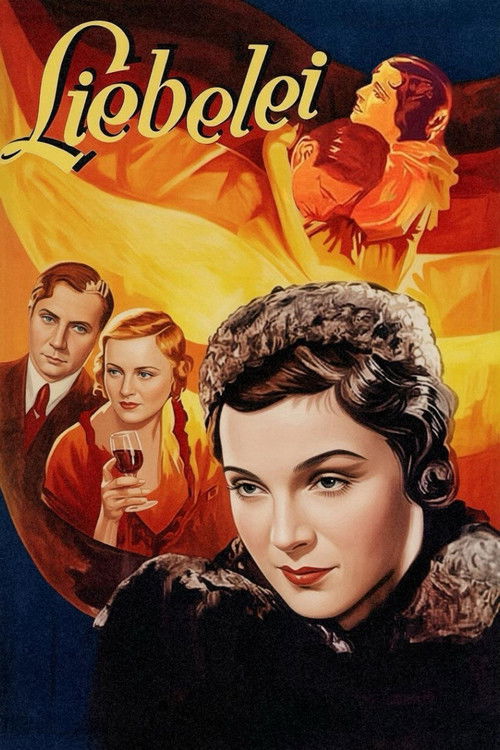
Liebelei
1933
No user ratings available yet
Diversity score: 3.9 out of 10
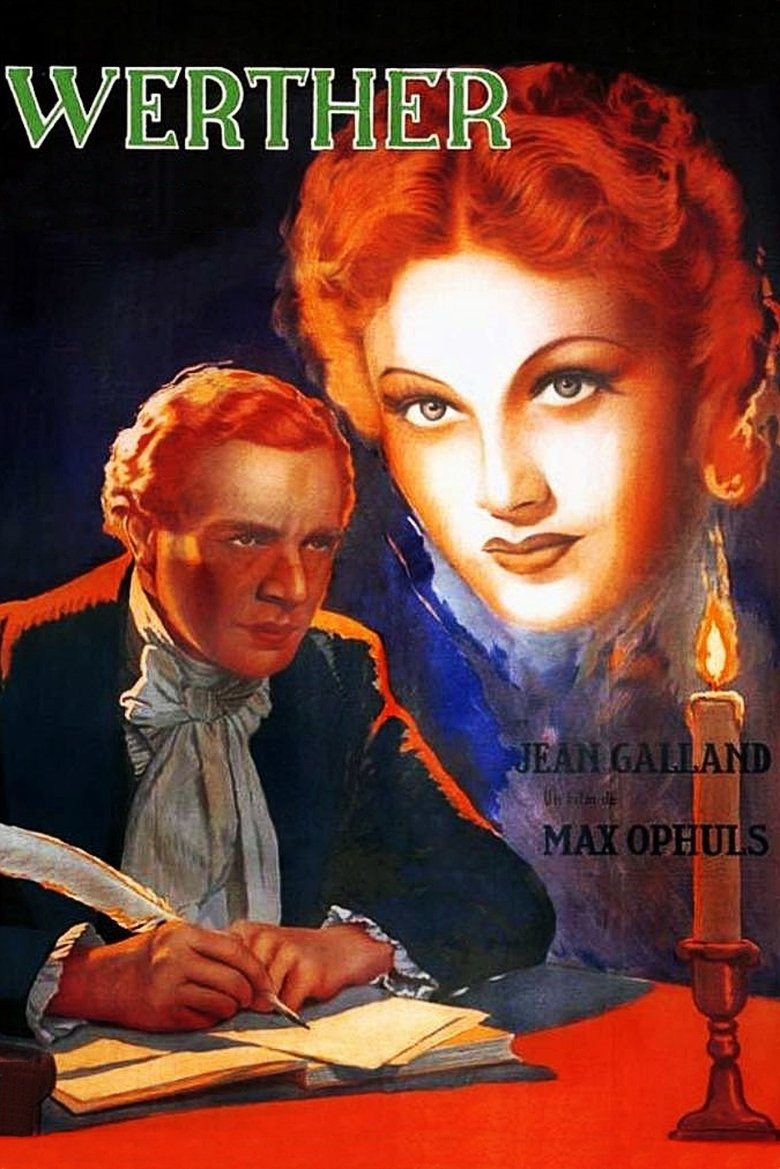
1938
Director
Max Ophüls
Runtime
85 minutes
Average Rating
No ratings yetSynopsis
Herr Werther, a new magistrate to the Grand Duchy of Walheim who is a violinist and poet, seems to have fate on his side as he meets and pursues a beautiful local woman, Charlotte. But as Werther sets to propose marriage, Charlotte reluctantly tells him she has been promised to another, Werther's superior, Judge Hochstätten. Werther and Charlotte decide to keep their romance from the judge and each descends into depression. Will they be able to keep their feelings a secret?
Overall Score
Limited
Category Breakdown
LGBTQ+ Representation
The film adheres to heteronormative romantic structures. There is no depiction of non-cisnormative identities or same-sex intimacy.
Gender Representation
Charlotte is granted psychological depth, yet her agency is limited by social obligations. The film depicts traditional hierarchies where female autonomy is secondary to marital stability.
Racial & Ethnic Diversity
The cast is a homogeneous European group. The narrative does not engage with racial or ethnic diversity, reflecting its 18th-century German setting.
Religious & Cultural Diversity
The story operates within a traditional Western framework of bourgeois social structures. It portrays Western institutions as an inevitable backdrop to individual tragedy.
Disability Representation
The film focuses on emotional volatility and psychological distress. These are treated as romantic tropes rather than a nuanced exploration of mental health.
Strengths
Areas for Improvement
AI Analysis
Max Ophüls' adaptation is a classical period drama that prioritizes romantic fatalism and psychological interiority. The narrative is built upon established social hierarchies, focusing on the tension between individual passion and bourgeois expectations. The film functions as a faithful adaptation of a foundational Western text. It does not actively disrupt traditional gender, racial, or cultural norms, instead operating within the constraints of its historical setting. While the film offers a sophisticated study of character emotion, it lacks contemporary intersectional representation. The focus remains on the personal tragedy of the protagonists rather than systemic critique.
1933

1933

1935
1971

1915
1955
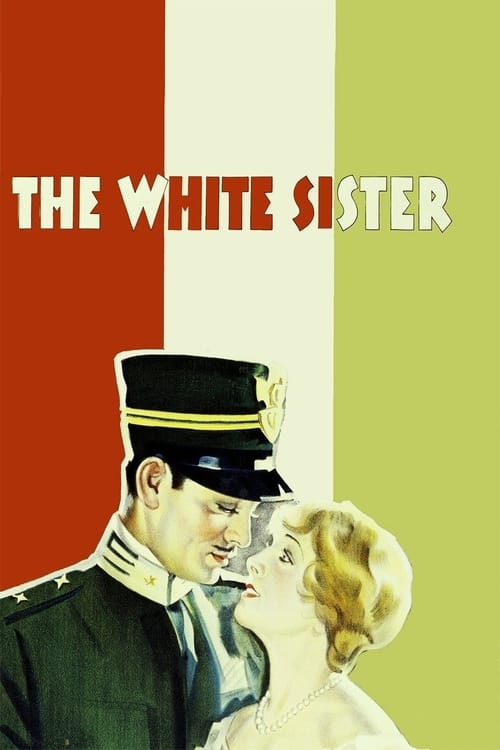
1933
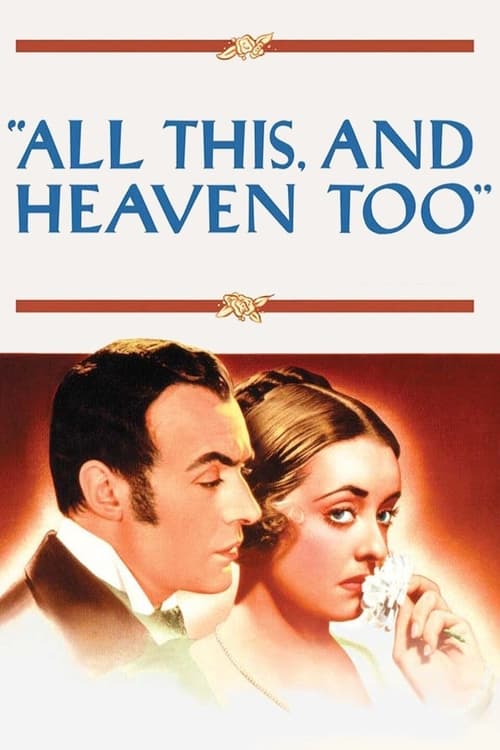
1940
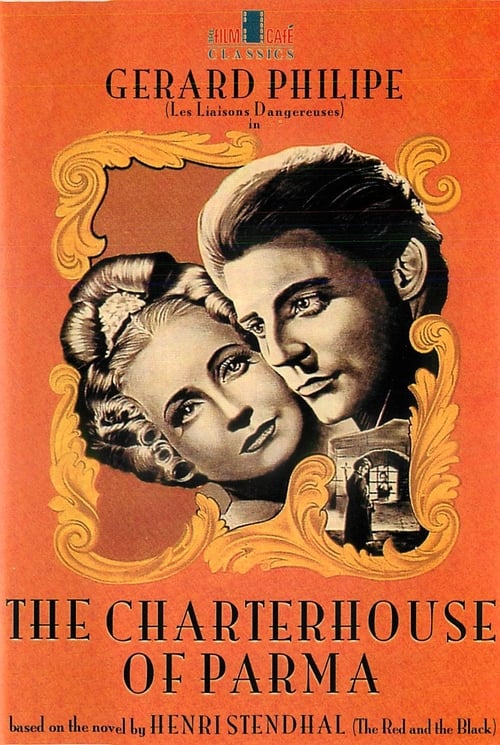
1948
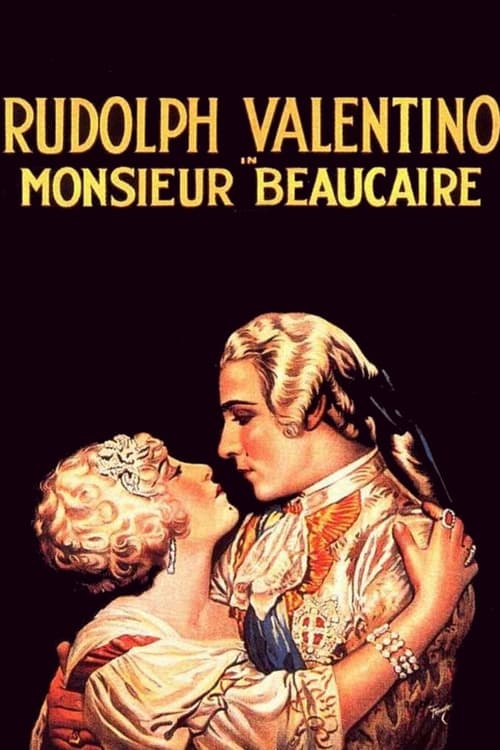
1924

1941
1934
No reviews yet. Be the first to share your thoughts on this movie!
Use the rating form above to leave a star rating and optional review.