The Stranger's Return
1933
No user ratings available yet
Diversity score: 2.2 out of 10
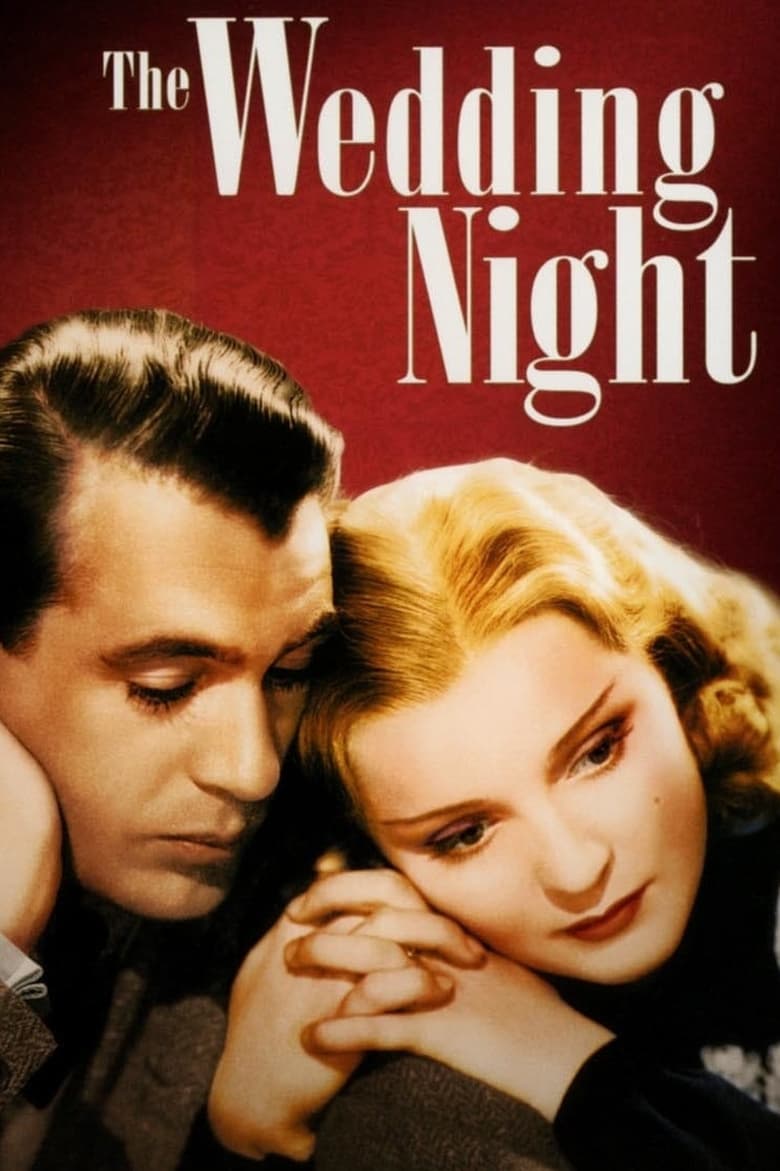
1935
NRDirector
King Vidor
Runtime
83 minutes
Average Rating
No ratings yetSynopsis
While working on a novel in his country home in Connecticut, married writer Tony Barrett (Cooper) becomes attracted to Manya (Sten), the daughter of a neighboring farmer. Manya is unhappily engaged to Frederik (Bellamy). Due to a snowstorm, Tony and Manya are trapped together in his house overnight. The next day, Manya's father insists her wedding to Frederik take place in spite of Manya's misgivings. Drunkenness and jealousy result in tragedy at the wedding reception that night.
Overall Score
Limited
Category Breakdown
LGBTQ+ Representation
The film follows a strictly heteronormative romantic triangle. There are no depictions of same-sex intimacy or non-cisnormative identities.
Gender Representation
The story examines the tension between individual desire and marital duty. Female agency is expressed through emotional responses to domestic constraints rather than subverting patriarchal structures.
Racial & Ethnic Diversity
The cast is predominantly white within a homogeneous rural American setting. The narrative does not utilize diverse casting to disrupt the social norms of the era.
Religious & Cultural Diversity
The drama centers on Western social structures and the sanctity of marriage. It focuses on personal tragedy and interpersonal ethics rather than systemic critiques.
Disability Representation
No visible or invisible disabilities are depicted. Characters are defined by their emotional and social temperaments rather than physical or neurodivergent identities.
Strengths
Areas for Improvement
AI Analysis
The Wedding Night is a period-typical domestic drama that prioritizes classical romantic conflict. It operates within the traditionalist framework of 1930s studio cinema, reinforcing the social hierarchies and gender roles common to that era. The film lacks intersectional representation, focusing instead on a homogeneous rural community. While it explores the friction of human intimacy and social expectations, it does not attempt to deconstruct or disrupt prevailing cultural or racial norms. Ultimately, the production functions as a study of interpersonal ethics and personal tragedy within a conventional Western social structure.
1933

1952

1932

1941
1938
1938

1930
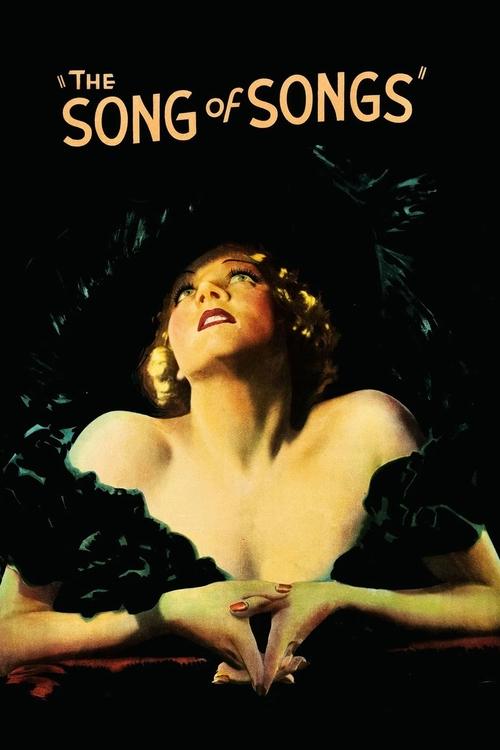
1933
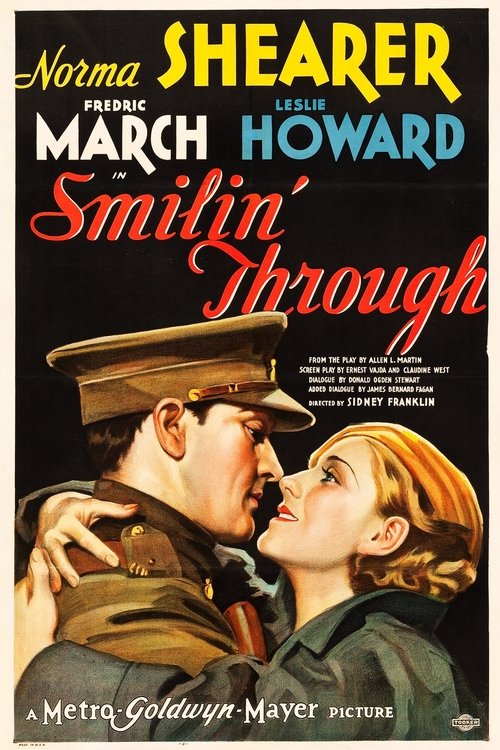
1932

1933
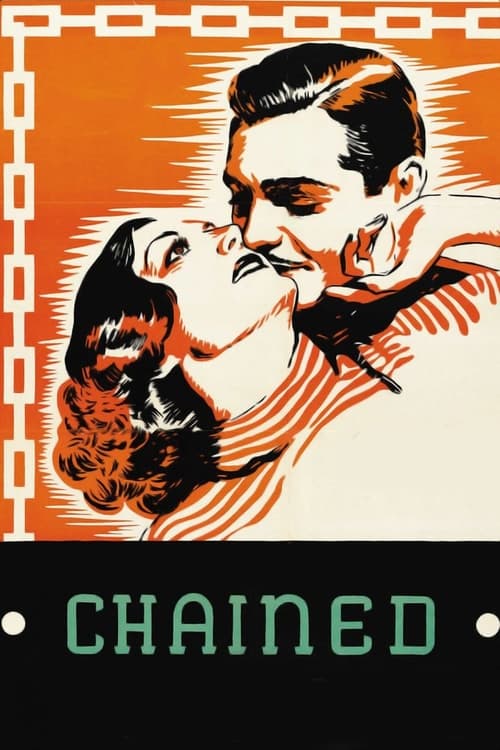
1934
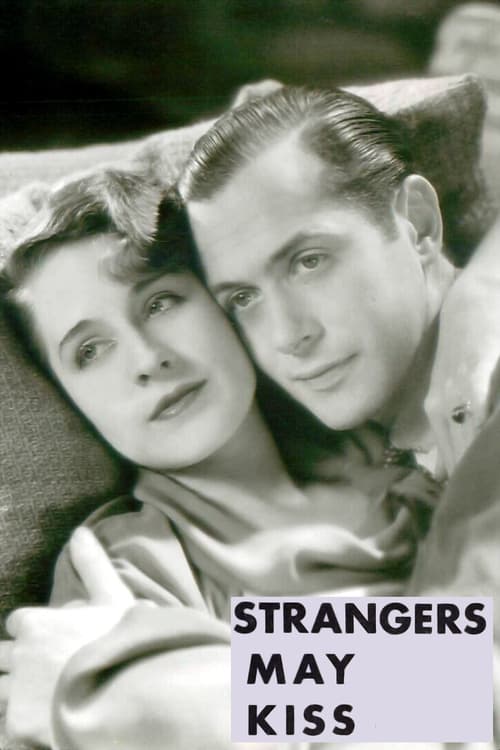
1931
No reviews yet. Be the first to share your thoughts on this movie!
Use the rating form above to leave a star rating and optional review.