
Germany, Year Zero
1948
No user ratings available yet
Representation score: 5.0 out of 10
Representation Score
Limited
1949
Director
Slatan Dudow
Runtime
105 minutes
Average Rating
No ratings yetNew Showbiz Analysis
Slatan Dudow’s film centers on class struggle rather than exploring diverse identities. It effectively critiques bourgeois socioeconomic hierarchies and promotes socialist progress through the lens of a changing German society. While the film lacks representation for LGBTQ+ individuals, diverse racial groups, or people with disabilities, it offers a strong critique of capitalist morality. The tension between illicit business practices and collective factory ownership highlights a clear ideological framework. Ultimately, the film’s strength lies in its cultural and political messaging. It prioritizes the examination of systemic power over traditional identity politics.
Category Breakdown
The film does not include any LGBTQ+ characters or stories. Relationships and family structures are centered around traditional roles in post-war Germany.
Women are mainly shown in domestic or labor roles due to the scarcity after the war. The film adheres to traditional gender roles without challenging them.
The story focuses on the internal class struggles of post-WWII Berlin, which is predominantly German. There is no significant focus on racial or ethnic diversity.
The film criticizes capitalist systems by promoting socialist ideals and collective ownership. It emphasizes collective action over individualistic or religious pursuits.
There are no prominent depictions of physical or cognitive disabilities. Such traits do not play a central role in the narrative.
Present on Screen
Limited or Absent
Official Synopsis
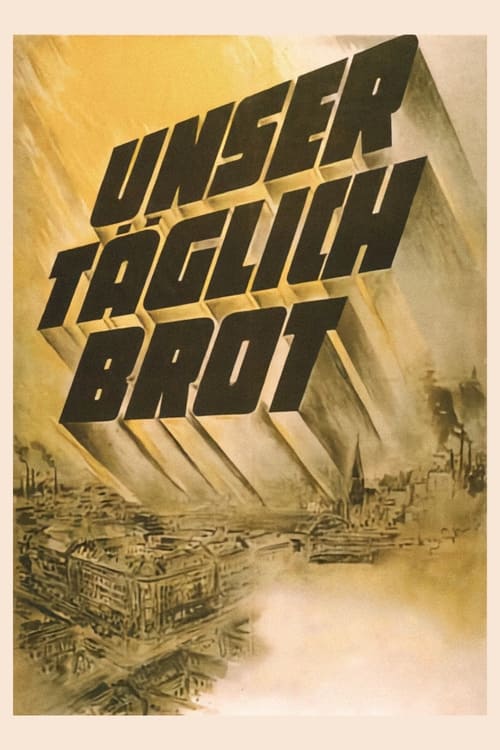
A story about a family after the Second World War. The petty bourgeois cashier Karl Weber of Berlin observes from a distance how his son Ernst participates in the building of a new socialist society. Karl does not understand Ernst's visions, instead he confides in his other son Harry. However, Harry becomes involved in illicit business and Karl quickly realizes that it would be best to join his son Ernst in the citizen-owned factory.
1948
1961
1958
1972

1978
1949
1929
1941
No reviews yet. Be the first to share your thoughts on this movie!
Use the rating form above to leave a star rating and optional review.