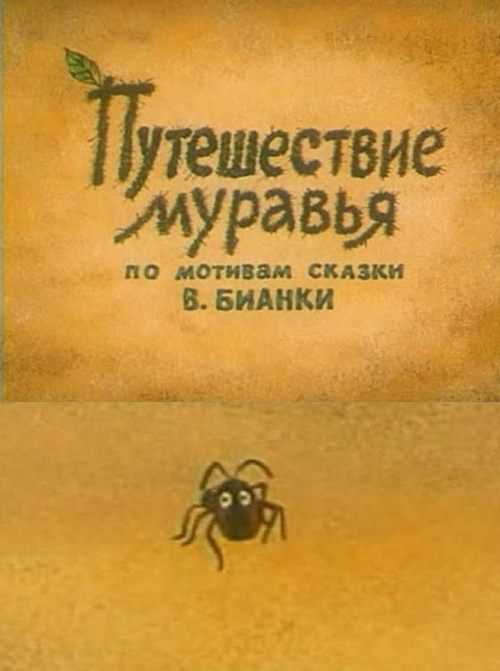
Adventure of an Ant
1983
No user ratings available yet
Diversity score: 5.1 out of 10

1985
Director
Eduard Nazarov
Runtime
10 minutes
Average Rating
No ratings yetSynopsis
A screen adaptation of the satirical poem by Eduard Uspensky. Vova Sidorov is the only child in a big family, growing up without a father. Everything he cherished, but a summons from the recruitment office turns everything on its head!
Overall Score
Limited
Category Breakdown
LGBTQ+ Representation
The film contains no evidence of LGBTQ+ characters or non-heteronormative narratives. The story focuses on a traditional family unit and a male protagonist's transition into state service.
Gender Representation
The narrative centers on a male protagonist and his military service, reinforcing masculine roles. However, the absence of a father figure suggests a female-led household managing the domestic sphere.
Racial & Ethnic Diversity
Character designs likely reflect the homogeneous demographic standards of the Soviet era. There is no specific evidence of multi-ethnic casting or non-Anglo-centric subversions in the work.
Religious & Cultural Diversity
The satire examines the tension between personal desire and state authority. It critiques how institutional mandates, such as military summons, disrupt the stability of the individual and the home.
Disability Representation
There is no documented evidence regarding the inclusion of characters with physical or neurodivergent disabilities in this animation.
Strengths
Areas for Improvement
AI Analysis
About Sidorov Vova is a satirical character study that explores the disruption of a domestic sphere by state institutions. While the film uses satire to examine individual agency against systemic expectations, its demographic portrayals remain largely traditionalist. The narrative architecture is shaped by the socio-political constraints of the mid-1980s USSR. This results in a focus on a male-centric transition into adulthood and a lack of intersectional complexity. Ultimately, the film's strength lies in its critique of institutional power rather than its diversity of representation. It functions as a study of how systemic requirements reshape personal identity within a structured social environment.
1983

1984
1979
1982
1955
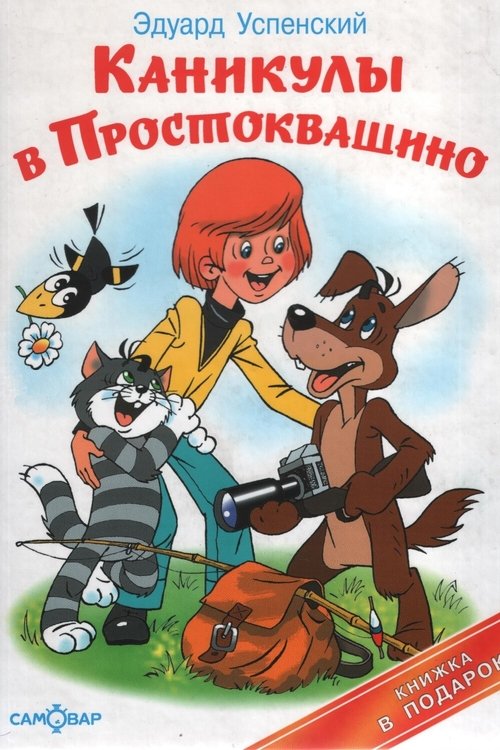
1980

1981
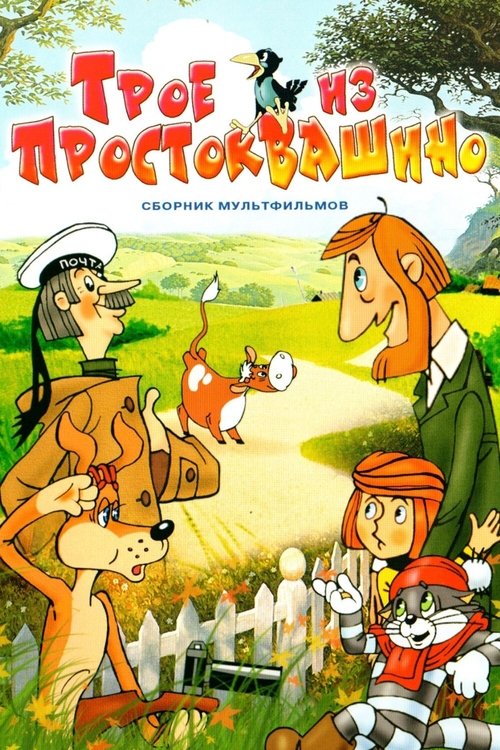
1978

1973
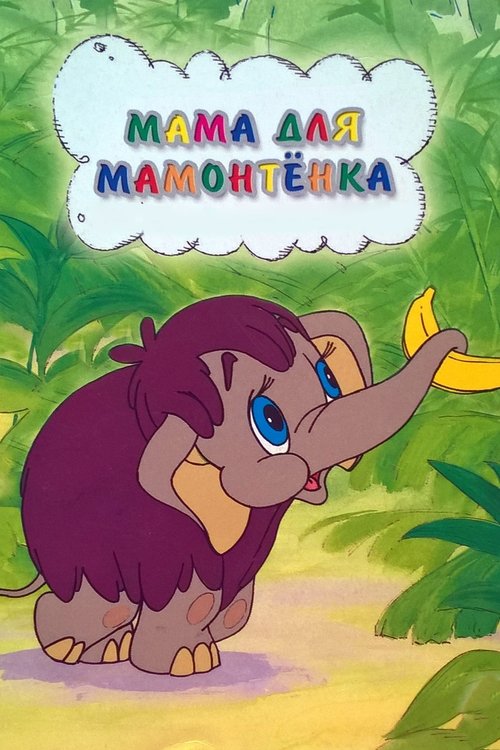
1981

1962
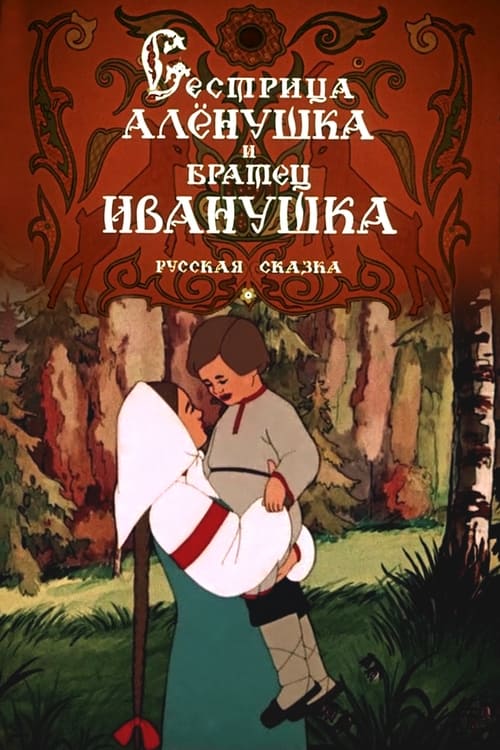
1953
No reviews yet. Be the first to share your thoughts on this movie!
Use the rating form above to leave a star rating and optional review.