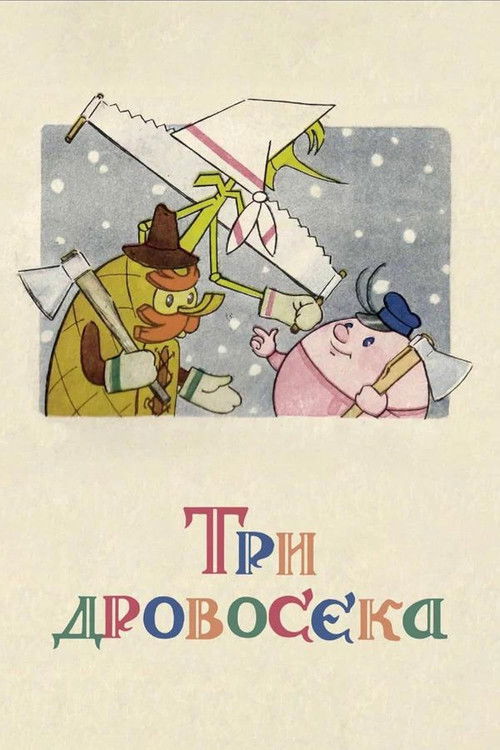
Three Woodcutters
1959
No user ratings available yet
Representation score: 2.4 out of 10
Representation Score
Limited
1962
Director
Aleksandra Snezhko-Blotskaya
Runtime
20 minutes
Average Rating
No ratings yetNew Showbiz Analysis
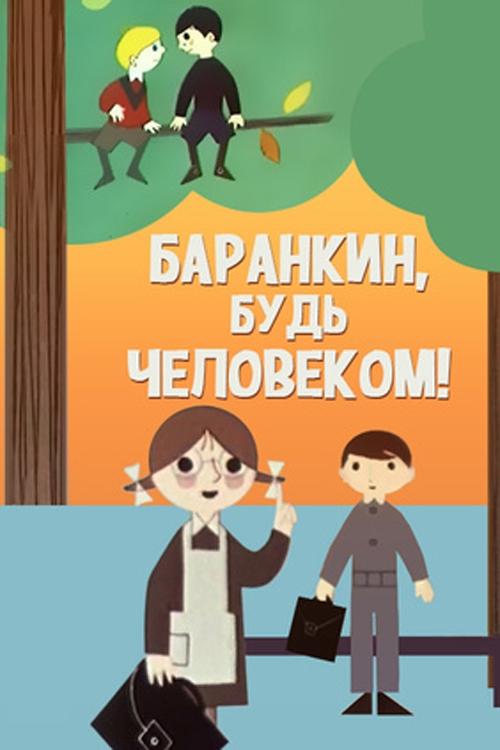
Barankin, Be a Human! is a product of the Socialist Realism tradition, designed to reinforce communal stability. The film prioritizes the development of a socially responsible individual within a collective framework rather than challenging existing social hierarchies. While the work excels in its portrayal of secular, anti-capitalist, and collectivist values, it remains deeply traditionalist. It adheres to the pedagogical goals of the cq1960s Soviet era, focusing on moral instruction through a communal lens. Ultimately, the film reflects the social constraints of its time, offering a culturally specific narrative that lacks modern multi-layered diversity or subversion of established gender and identity norms.
Category Breakdown
The film does not depict any non-straight relationships or same-sex intimacy. Character interactions center around traditional family and community structures.
Women are shown in domestic and communal roles within the collective farm. The narrative emphasizes conventional gender roles, with the story mainly following the male protagonist’s moral journey.
Characters represent the specific ethnic composition of Soviet rural areas. The film portrays a homogeneous image of the peasant community relevant to its historical context.
The story highlights secular, collectivist values and the importance of social responsibility. It uses the collective farm setting to critique individualism and promote communal duty.
There are no prominent depictions of physical or neurodivergent disabilities. Such traits are not used as central plot devices or character elements.
Present on Screen
Limited or Absent
Official Synopsis
A lazy school boy finds himself inside magic adventures that cause him to overcome his laziness.
1959

1957
1978
1994
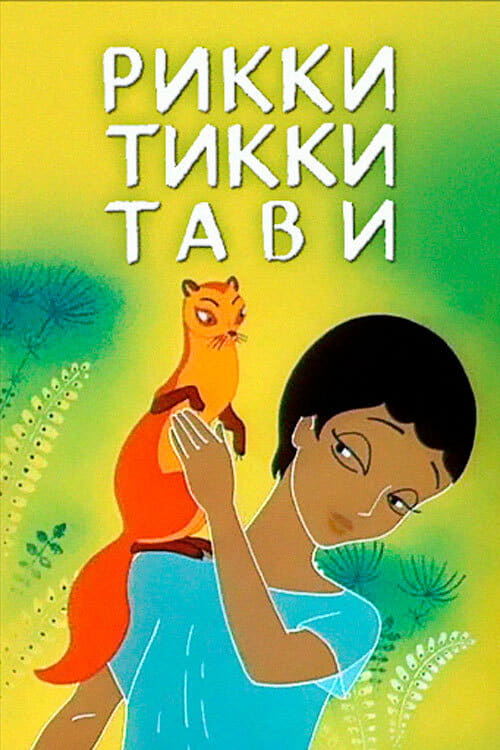
1965
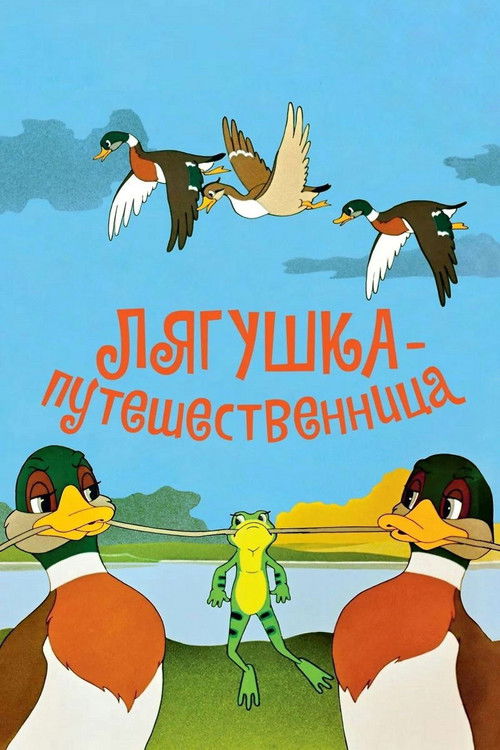
1965
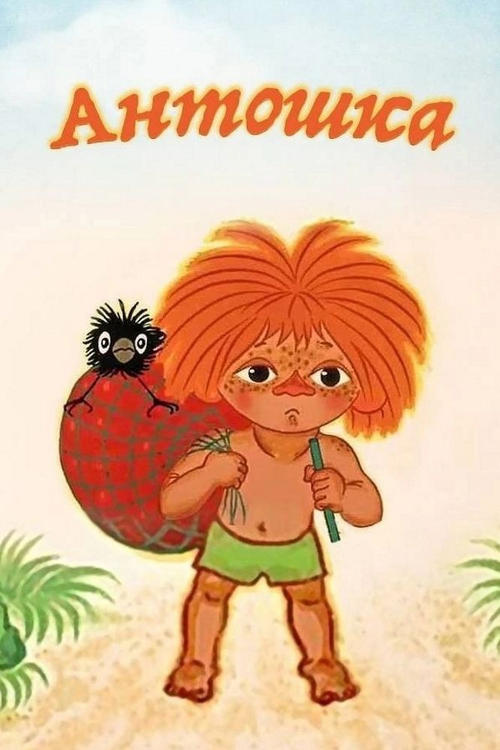
1969
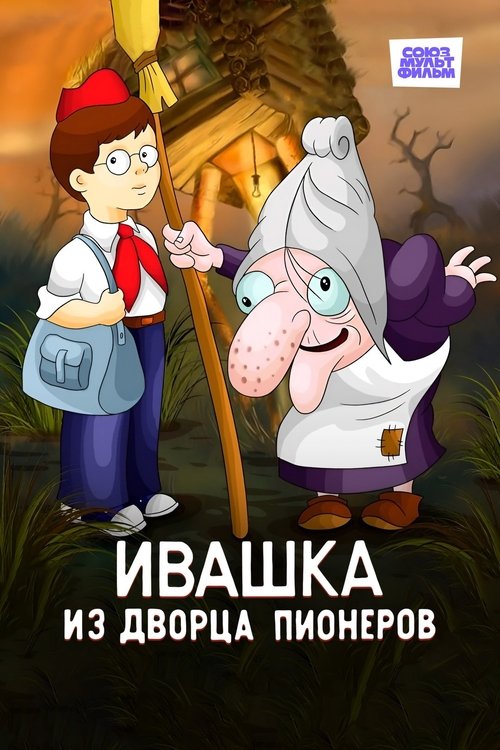
1981
No reviews yet. Be the first to share your thoughts on this movie!
Use the rating form above to leave a star rating and optional review.