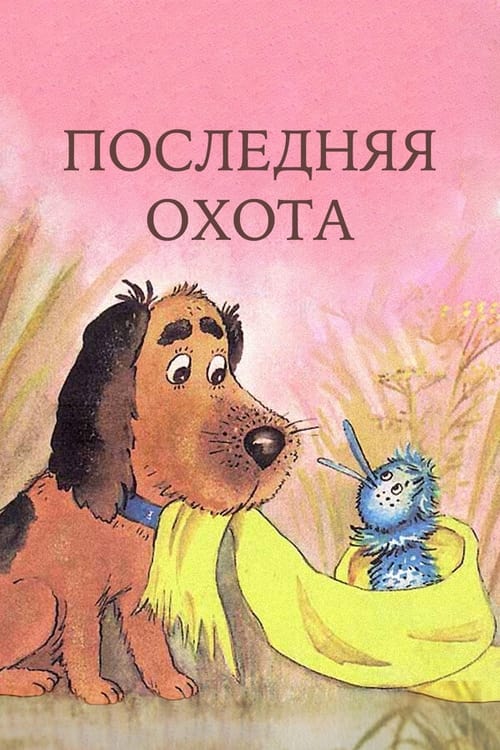
Last Hunt
1982
No user ratings available yet
Representation score: 0.0 out of 10
Representation Score
Limited
1979
Director
Valentin Karavaev
Runtime
9 minutes
Average Rating
No ratings yetNew Showbiz Analysis
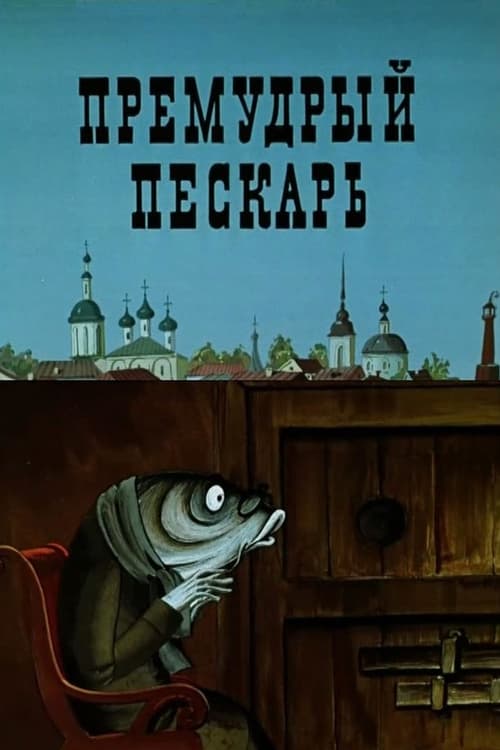
The Wise Gudgeon is a philosophical allegory that prioritizes moral inquiry over demographic representation. It functions as a social critique of aimless existence through the lens of a Soviet-era fairy tale. While the film lacks modern multi-layered markers like LGBTQ+ or racial diversity, it effectively uses subtext to question the ethics of individualistic survivalism. The narrative architecture focuses on the isolation inherent in the protagonist's lifestyle. Ultimately, the work serves as a piece of social commentary rather than a vehicle for identity-based representation, making it a study of the human condition rather than social demographics.
Category Breakdown
The film does not include any non-straight relationships or queer narratives. The story focuses entirely on the allegorical actions of the main character.
Using anthropomorphism, the narrative avoids traditional gender hierarchies. There is no visible gender-based social commentary or specific roles for women.
The film uses allegory rather than explicit racial or ethnic diversity. The 1979 Soviet context indicates a focus on moral archetypes.
The narrative deeply engages with subjective morality and critiques traditional social structures. It uses a fairy tale to challenge passive existence within a system.
There is no information available regarding the depiction of neurodivergence or physical disabilities in this work.
Present on Screen
Limited or Absent
Official Synopsis
On the motives of Saltikov-Shedrin’s fairy tale, the film derides aimless and senseless being.
1982
1933
1963
1980
1969
1949
1958
1989
No reviews yet. Be the first to share your thoughts on this movie!
Use the rating form above to leave a star rating and optional review.