
Winter in Prostokvashino
1984
No user ratings available yet
Representation score: 3.7 out of 10
Representation Score
Limited
1978
Director
Vladimir Popov
Runtime
17 minutes
Average Rating
No ratings yetNew Showbiz Analysis
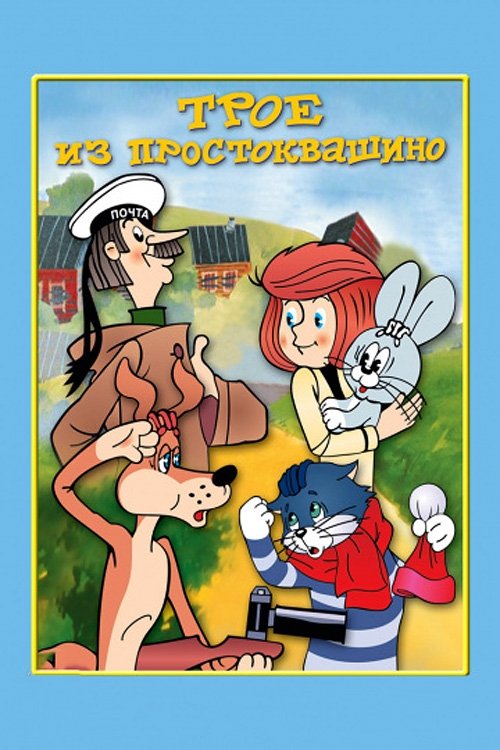
Three from Prostokvashino is a character-driven animation that gains its impact from subverting social hierarchies rather than through modern multi-layered markers. The film's primary strength lies in its narrative structure, which favors communal self-sufficiency over traditionalist models. While the work is culturally homogeneous and lacks representation for LGBTQ+ and diverse ethnic groups, it provides a unique perspective on domesticity. By focusing on a child's journey toward autonomy, the film critiques the restrictive nature of the traditional nuclear family. Ultimately, the film's diversity is found in its themes of decentralized, self-managed living, even as it remains constrained by the social norms of its time.
Category Breakdown
The film does not include any LGBTQ+ characters or explore non-straight relationships. The story centers on the interactions between a child and his animal companions.
Uncle Fyodor asserts a significant role in the story by creating his own domestic space, breaking the typical dynamic where the child is passive. However, the gender dynamics remain fairly conventional for the time period.
Set in a culturally uniform rural Soviet environment, the film does not depict any racial mixing or diverse ethnic groups. The narrative emphasizes a single, local identity.
The film highlights communal self-reliance by showing a child forming a 'found family' with animals. This setup challenges traditional nuclear family structures and institutional authority.
There are no visible or hidden disabilities that play a central role in the narrative.
Present on Screen
Limited or Absent
Official Synopsis
Little Fedor brings a cat to home despite his mother's distaste for cats. He runs away with his talking cat, to make more friends on the way.
1984
2011
1980
1976
1979
1977
1979
1938
No reviews yet. Be the first to share your thoughts on this movie!
Use the rating form above to leave a star rating and optional review.