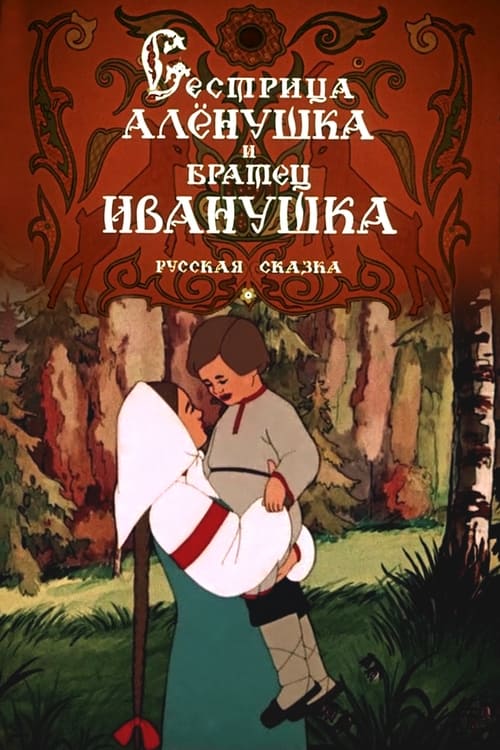
Sister Alyonushka and Brother Ivanushka
1953
No user ratings available yet
Representation score: 1.9 out of 10
Representation Score
Limited
1973
Director
Inessa Kovalevskaya
Runtime
19 minutes
Average Rating
No ratings yetNew Showbiz Analysis
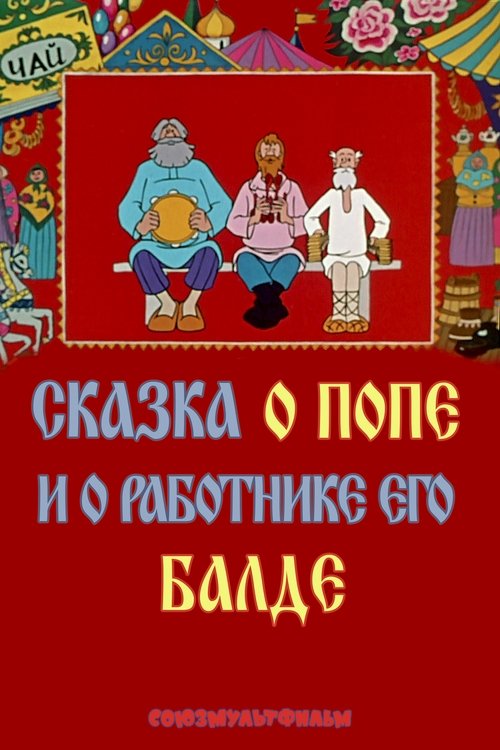
This film is a specialized piece of Soviet animation that emphasizes class-based conflict over diverse identities. Its strength lies in its cultural subversion, using folklore to challenge religious and institutional hierarchies through the cleverness of the working class. However, the work is highly homogeneous. The cast is dominated by male characters, and the aesthetic is strictly tied to a specific Slavic tradition, leaving little room for racial or gender diversity. Ultimately, the score reflects a film that is culturally provocative regarding social structures but lacks representation across most other modern diversity metrics.
Category Breakdown
The film does not include any LGBTQ+ characters or stories that go beyond the assumption that everyone is straight or cisgender. The plot revolves around the relationship between a worker and a religious figure based on folklore.
The story centers on a power struggle between two male characters: Balda and the Priest. It lacks significant roles for women or challenges to traditional gender roles.
The character designs reflect a historically homogeneous Slavic appearance based on the original Russian poem. There is no indication of racial or ethnic diversity.
The film strongly critiques religious authority by focusing on a worker outsmarting a priest. This aligns with secular themes centered on class-based ability to act.
There is no evidence of characters with visible or invisible disabilities being portrayed as central narrative elements or having significant roles in the story.
Present on Screen
Limited or Absent
Official Synopsis
A popular Soviet cartoon based on the classic fairy tale The Tale of the Priest and of his Workman Balda. The film is notable for its songs performed by one single actor Oleg Anfroiev using different voices.
1953
1979
1949
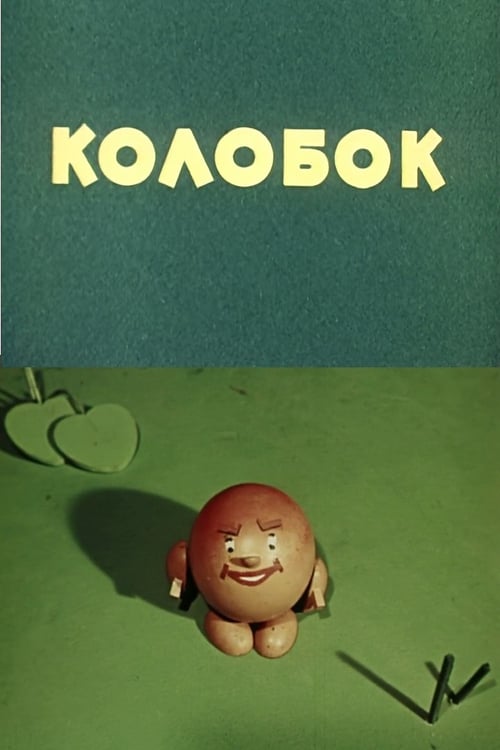
1956
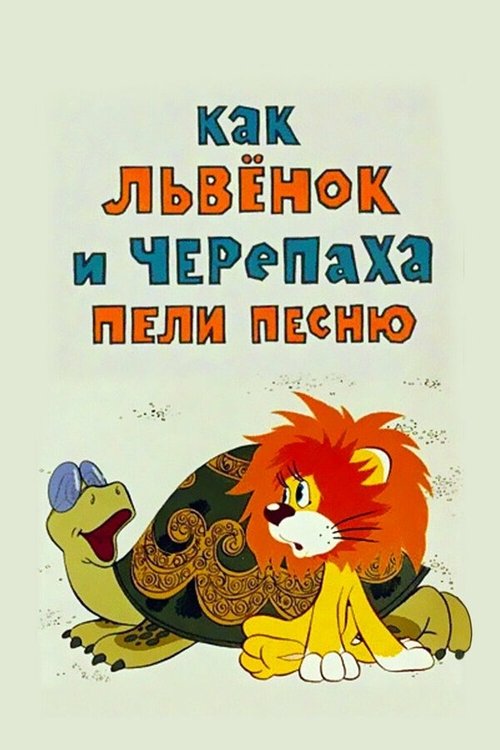
1974
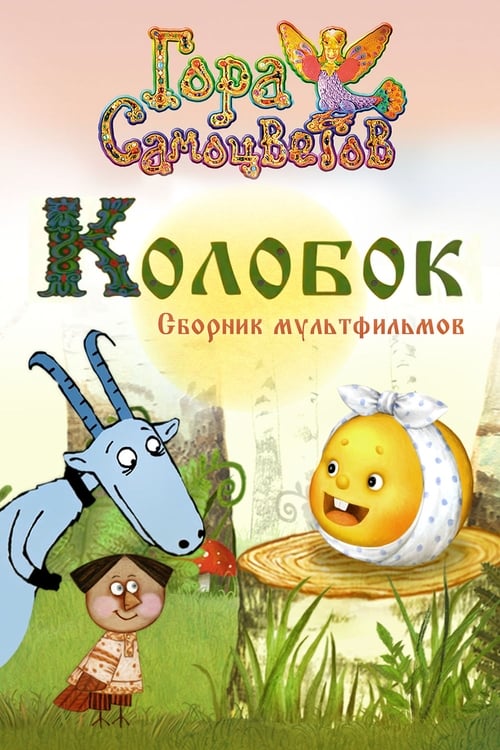
2005
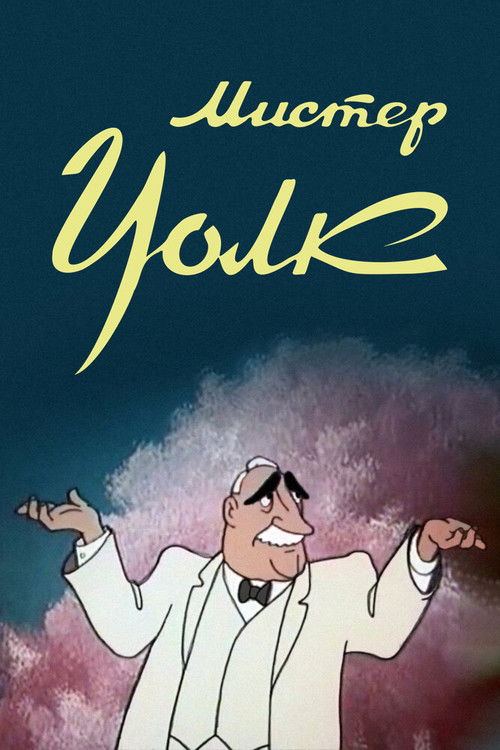
1949
1979
No reviews yet. Be the first to share your thoughts on this movie!
Use the rating form above to leave a star rating and optional review.