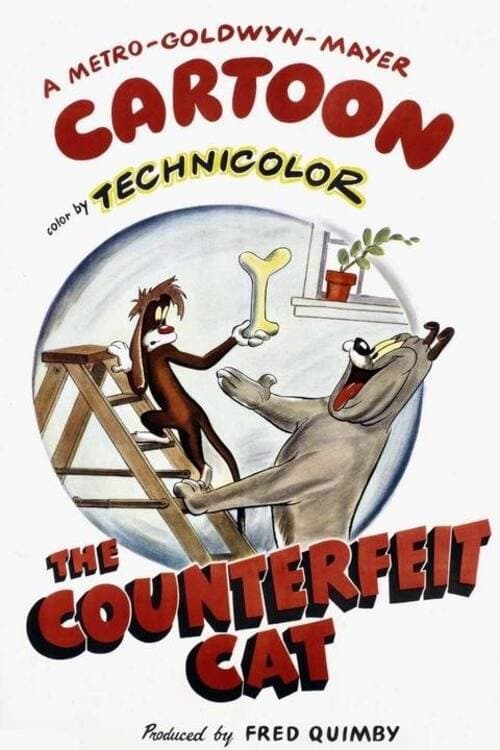
The Counterfeit Cat
1949
No user ratings available yet
Representation score: 0.3 out of 10
Representation Score
Minimal
1982
Director
Eduard Nazarov
Runtime
10 minutes
Average Rating
No ratings yetNew Showbiz Analysis
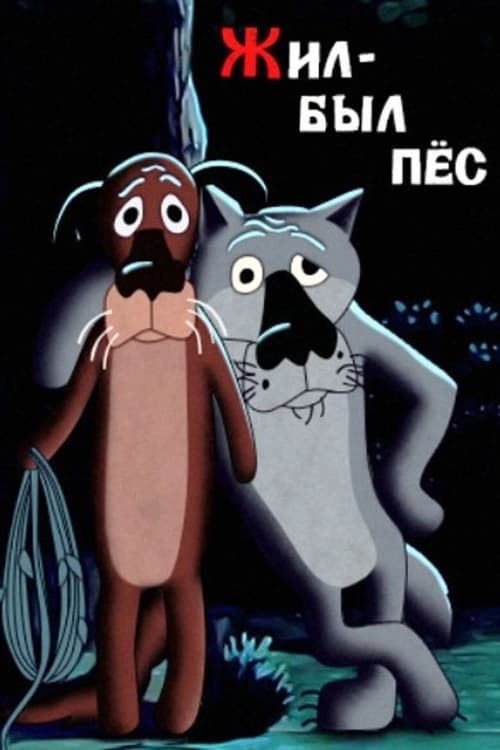
The film excels at subverting biological hierarchies, specifically the predator-prey relationship between the Dog and the Wolf. This creates a compelling study of shifting social dynamics and interspecies cooperation within a pastoral setting. However, the narrative remains deeply conservative regarding social identities. It relies on established gendered archetypes and heterosexual courtship rituals, offering no disruption to traditional demographic norms. Ultimately, the work is a masterclass in folkloric storytelling that prioritizes character-driven comedy over the exploration of broader social or identity-based hierarchies.
Category Breakdown
The film follows a traditional heterosexual courtship framework. The plot centers on a male dog attempting to win affection from a female counterpart through performance and gift-giving.
Gender roles adhere to conventional archetypes. The male character takes an active, performative role as a suitor, while the female character remains in a passive, evaluative position.
Because the film uses anthropomorphic animals in a rural setting, traditional racial metrics do not apply. The animal metaphors offer a color-blind approach to characterization.
This folk tale focuses on communal survival and interpersonal loyalty. It maintains a stable, traditional moral landscape rather than engaging in systemic or ideological deconstruction.
The narrative does not feature characters with visible or invisible disabilities. Disability is not utilized as a plot point or narrative device.
Present on Screen
Limited or Absent
Official Synopsis
Based on the Ukrainian folktale, the old dog of a village family is not as keen as he once was, and is sent away after he fails to guard their house during a robbery. In the woods, he meets the wolf he protected his masters against long ago, who decides to pay a favor to get his old enemy's rightful place back in the doghouse.
1949
1972
1981
1986
1922

1981
1977
1973
No reviews yet. Be the first to share your thoughts on this movie!
Use the rating form above to leave a star rating and optional review.