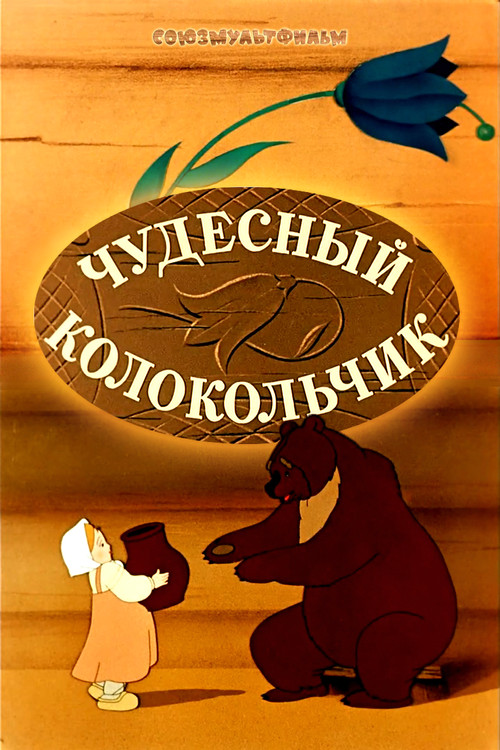
The Miraculous Bell
1949
No user ratings available yet
Representation score: 1.9 out of 10
Representation Score
Minimal
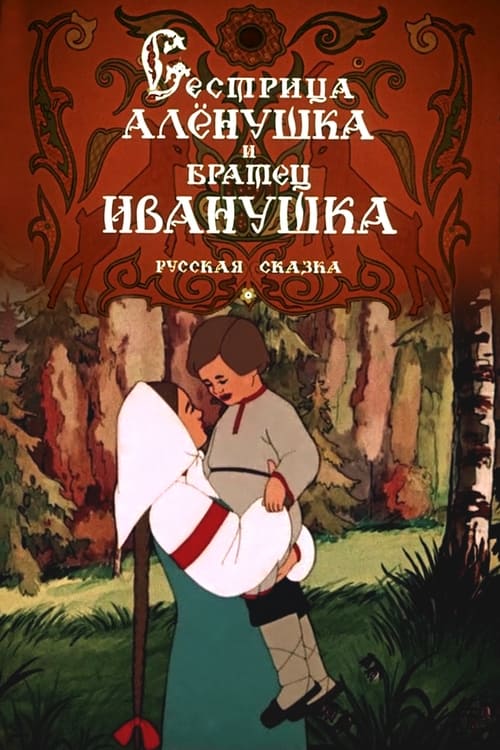
1953
Director
Olga Khodatayeva
Runtime
11 minutes
Average Rating
No ratings yetNew Showbiz Analysis
Olga Khodatayeva’s work is a masterclass in classical Soviet animation and folkloric preservation. The film prioritizes technical mastery and the reinforcement of communal values through traditional Slavic archetypes. However, the narrative lacks engagement with modern concepts of identity. It functions as a didactic tool for moral clarity, reinforcing established social hierarchies and traditional gender roles rather than subverting them. Ultimately, the film is a culturally specific celebration of mythos. It remains rooted in mid-20th-century traditionalism, offering little room for diverse representation or social reconfiguration.
Category Breakdown
The film follows traditional folkloric archetypes and does not include any non-traditional gender identities or critiques of the assumption that everyone is straight or cisgender. It focuses on a typical sibling relationship.
Alyonushka embodies a maternalistic archetype through her nurturing and protective behavior. While she takes control, her role reinforces traditional feminine virtues of caretaking and emotional resilience.
Character designs are uniform and emphasize ethnic Slavic identity. The film preserves Russian folklore without promoting racial hierarchy.
The narrative emphasizes moral absolutism and didacticism. It prioritizes social cohesion and sibling loyalty over the deconstruction of traditional institutions.
There are no visible or invisible disabilities portrayed. Characters are shown in a state of physical health without any disability-related plot devices.
Present on Screen
Limited or Absent
Official Synopsis
Soviet cartoon film, filmed in 1953 by the director-animator Olga Khodataeva based on the Russian folk tale.
1949
1956

1956
1979
2005
1949
2012
1965
No reviews yet. Be the first to share your thoughts on this movie!
Use the rating form above to leave a star rating and optional review.