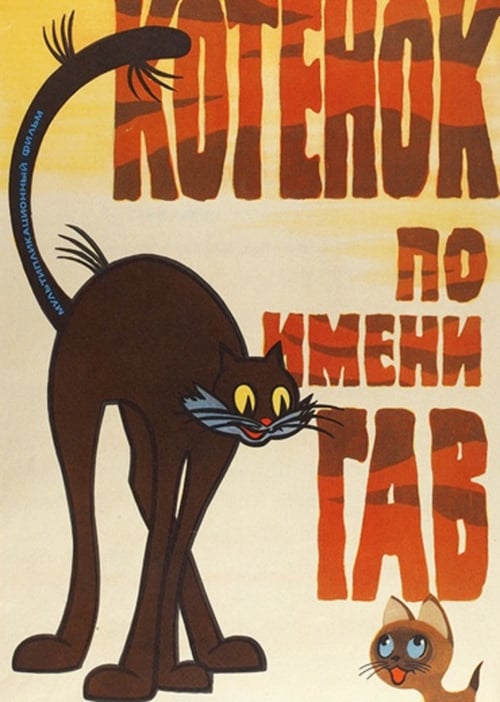
A Kitten Named Woof (Episode 1)
1976
No user ratings available yet
Diversity score: 3.1 out of 10
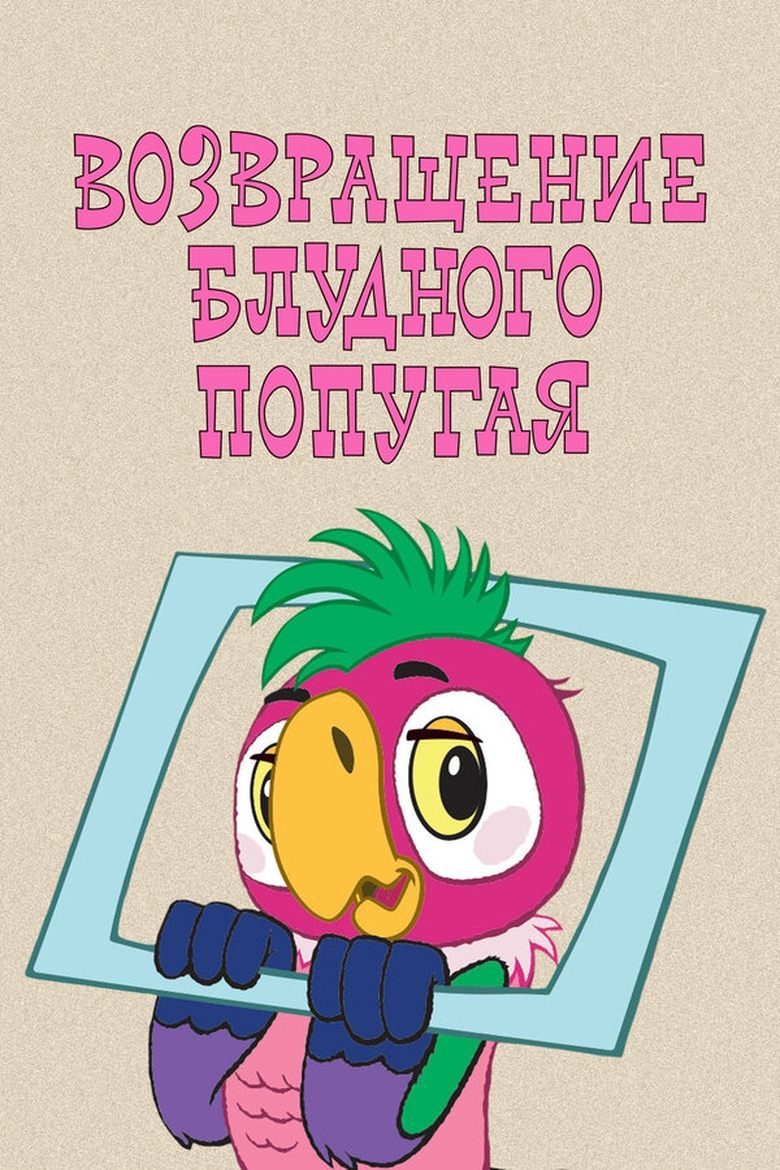
1984
Director
Valentin Karavaev
Runtime
10 minutes
Average Rating
No ratings yetSynopsis
Animated series about the adventures of a parrot Kesha, "the hero of our time." The action is concentrated in the city and its surroundings. Kesh lives in the apartment of Vova, a schoolchild, but because of his hot-tempered, arrogant character, he periodically runs away and gets into trouble, eventually returning to Vovka with a confession. The humor of the series is based on the eccentric behavior of Keshi, on recognizable realities, as well as on the multiple quotations used by the parrot.
Overall Score
Limited
Category Breakdown
LGBTQ+ Representation
The narrative centers on the relationship between a schoolchild and his pet parrot. There is no evidence of non-cisnormative identities or same-sex intimacy.
Gender Representation
The primary characters include a male schoolchild and a gender-neutral avian protagonist. The lack of female characters prevents a higher score, though no active misogyny is present.
Racial & Ethnic Diversity
The setting reflects a conventional demographic baseline for its 1984 production era. There is no information regarding a diverse cast or specific ethnic representation.
Religious & Cultural Diversity
The series utilizes a traditional moral framework involving transgression and atonement. It focuses on social realism and recognizable realities rather than institutional critique.
Disability Representation
The story contains no mention of characters with visible or invisible disabilities. There is no evidence of neurodivergent representation within the narrative.
Strengths
Areas for Improvement
AI Analysis
The series functions as a character-driven comedy centered on the eccentricities of Kesha the parrot. The narrative follows a cyclical pattern of behavioral transgressions and eventual confessions, prioritizing individual temperament over systemic social critique. While the work uses intertextuality and social observation to create humor, it adheres to the conventional storytelling patterns of the mid-1980s. It lacks the structural complexity needed to engage with intersectional identities or the disruption of societal norms. Ultimately, the production focuses on a localized, character-centric experience. It does not intentionally address or represent diverse social groups, resulting in a demographic profile that reflects its specific historical and regional context.
1976
1965

1985
1964
1981

1966
1975
1956
1958
1937
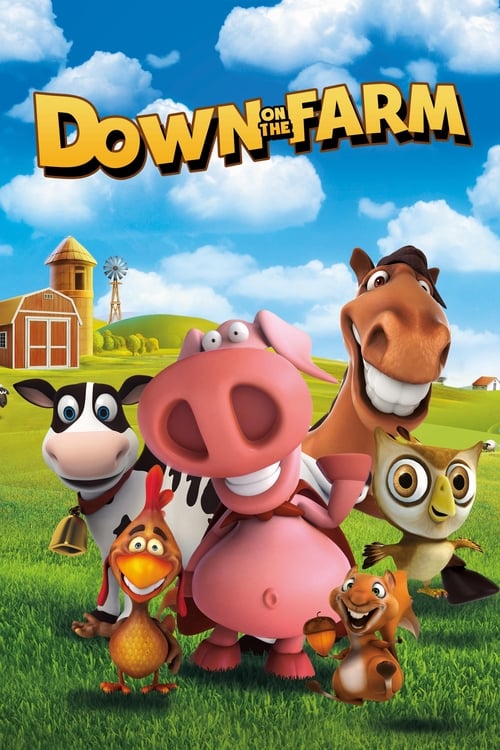
2017
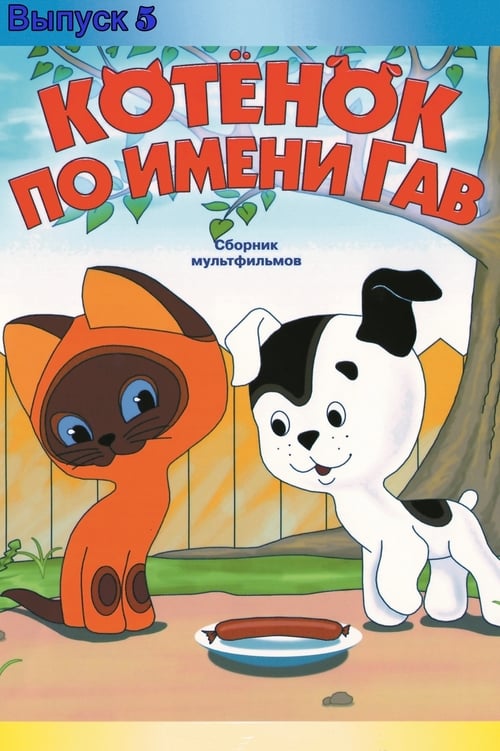
1982
No reviews yet. Be the first to share your thoughts on this movie!
Use the rating form above to leave a star rating and optional review.