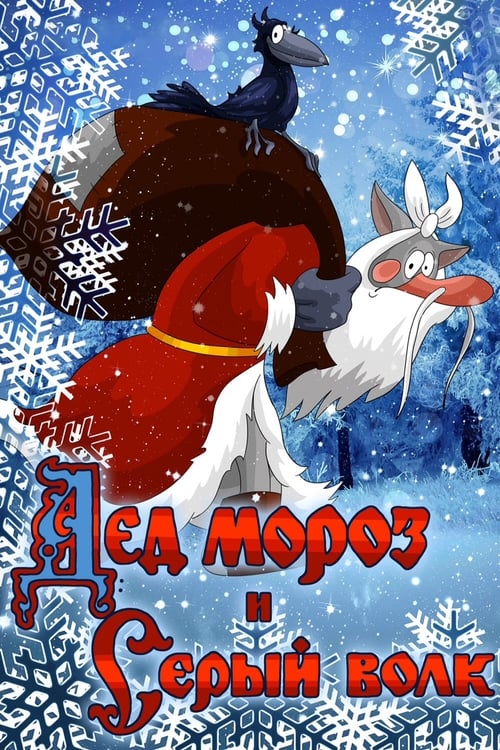
Father Frost and the Grey Wolf
1978
No user ratings available yet
Representation score: 3.1 out of 10
Representation Score
Minimal
1955
Director
Leonid Amalrik
Runtime
18 minutes
Average Rating
No ratings yetNew Showbiz Analysis
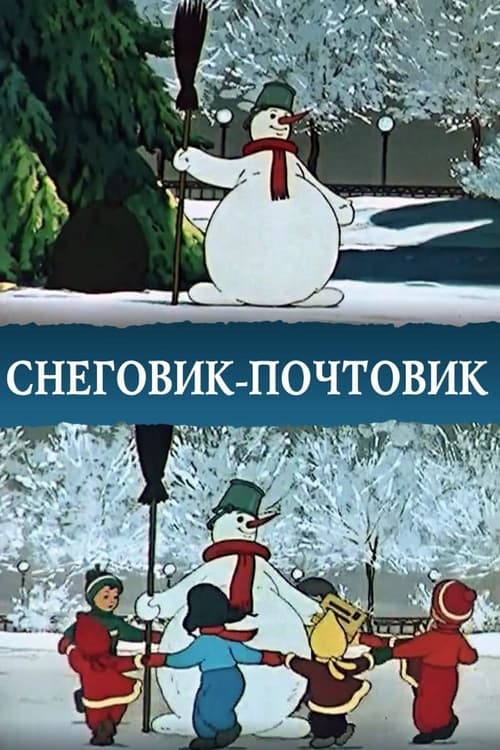
The Snowman-Postman is a mid-century Soviet animation that adheres to traditionalist folk tales. It relies heavily on established seasonal mythology and communal values, focusing on folklore rather than complex character development. While the film effectively captures the innocence of childhood and seasonal customs, it operates within a narrow cultural scope. The focus remains on a localized Slavic mythos that lacks depth in representing diverse identities. Ultimately, the film upholds mid-century storytelling norms. It lacks the structural variety needed to represent diverse identities or disrupt conventional social hierarchies.
Category Breakdown
The film does not depict any non-straight relationships or same-sex intimacy. It centers on traditional children's folklore.
The story revolves around a Snowman and a puppy, with children acting as plot catalysts. There is no indication of gendered power dynamics or challenges to traditional hierarchies.
The animation highlights a homogeneous Slavic culture based on folklore. It does not include a multi-ethnic cast or diverse non-human species.
The narrative celebrates communal holiday traditions through the figure of Father Frost. It emphasizes social cohesion and seasonal customs without challenging established institutions.
There is no information about characters with visible or invisible disabilities. The narrative does not address neurodivergence or physical disabilities.
Present on Screen
Limited or Absent
Official Synopsis
On the eve of the New Year, several children write a letter to Father Frost asking him to send them a Christmas tree for the holiday, and then they make a Snowman who should take the letter to the magic forest. When midnight arrives, under the beat of a clock, the Snowman comes to life and, together with a small yard puppy, nicknamed Druzhok, sets off in search of Father Frost. (Note: Released in the United States as Spunky the Snowman in a shortened version of approximately 8 minutes.)
1978
1976
1944

1957
1959

1979
1950
1958
No reviews yet. Be the first to share your thoughts on this movie!
Use the rating form above to leave a star rating and optional review.