
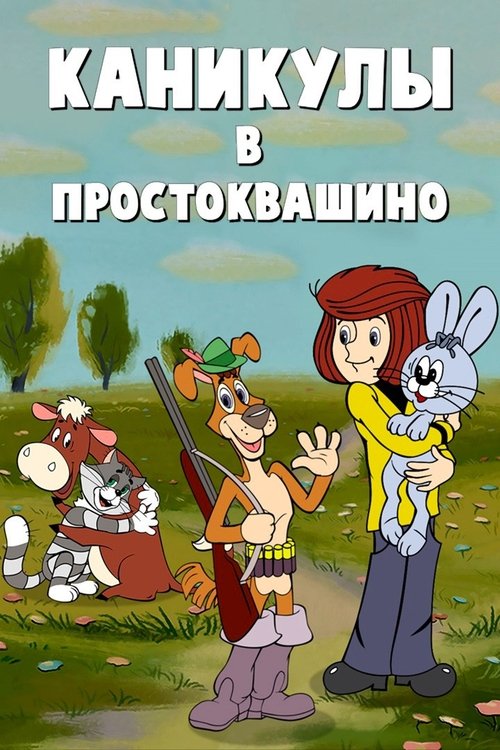
Winter in Prostokvashino
1984
No user ratings available yet
Representation score: 3.7 out of 10
Representation Score
Limited
1980
Director
Vladimir Popov
Runtime
18 minutes
Average Rating
No ratings yetNew Showbiz Analysis
Vacations in Prostokvashino is a culturally specific animation that stands out by rejecting Western-centric capitalist and nuclear family models. It excels in its portrayal of a decentralized, communal existence in a rural setting. However, the film lacks modern representation of diverse identities, including LGBTQ+, racial diversity, and characters with disabilities. Its strength lies in its thematic subversion of traditional authority and materialism rather than its broad representation of human diversity.
Category Breakdown
The film does not include any LGBTQ+ characters or explore non-straight identities. The story focuses solely on the relationship between a child, animals, and parents.
The narrative centers around a young male protagonist seeking independence from his home environment. While the boy's quest for freedom drives the plot, the gender roles remain traditional and focused on maternal relationships.
The cast is uniform, reflecting the cultural context of Soviet-era animation. The story unfolds in a rural, fictional setting without any multi-ethnic representation.
The film challenges Western consumerist ideals by highlighting a makeshift, non-materialistic family unit. It emphasizes communal living and childhood autonomy over urban prosperity.
There are no characters with visible or hidden disabilities. The narrative does not depict neurodivergence or physical impairments.
Present on Screen
Limited or Absent
Official Synopsis
The continuation of the adventures of Fyodor and his friends from the Prostokvashino village.
1984
1981
1978
1981
1977
1981
1978
1949
No reviews yet. Be the first to share your thoughts on this movie!
Use the rating form above to leave a star rating and optional review.