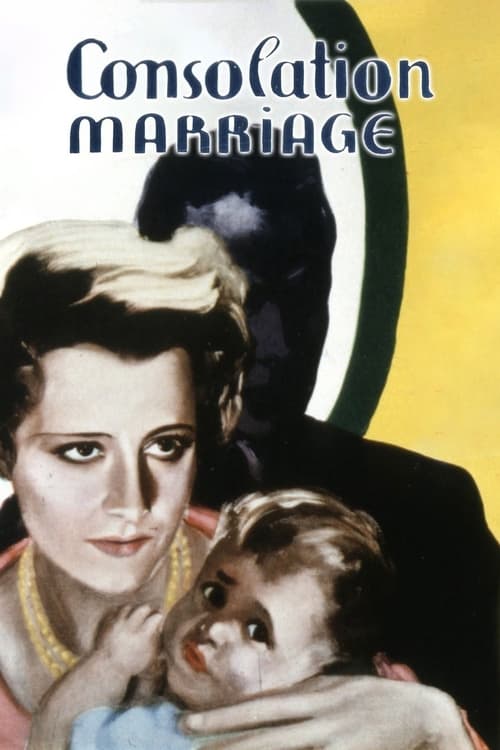
Consolation Marriage
1931
No user ratings available yet
Representation score: 0.5 out of 10
Representation Score
Minimal
1931
PassedDirector
Erle C. Kenton
Runtime
69 minutes
Average Rating
No ratings yetNew Showbiz Analysis
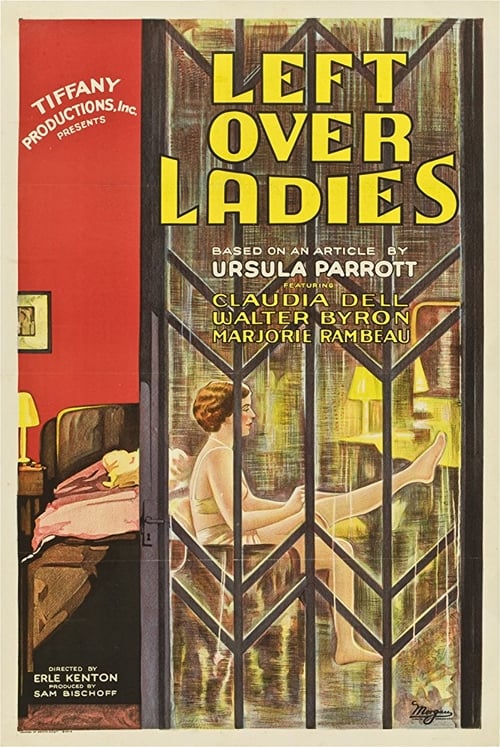
Left Over Ladies is a traditional period drama that uses domestic conflict to drive its narrative. It operates within the standard studio system frameworks of the early 1930s, focusing on traditional social hierarchies rather than challenging them. The film examines the consequences of marriage through the lens of straight-centered structures, looking at both lingering affection and profound apathy between spouses. While it touches on the social consequences of female actions through the character of Duchess, it does not significantly challenge gendered expectations. Overall, the film lacks complexity in representing multiple aspects of identity and remains focused on a narrow, homogeneous social context.
Category Breakdown
The film does not include any queer narratives or non-straight identities. The main conflicts revolve around traditional marital dynamics.
The story explores domestic instability through the character of Duchess, who offers a nuanced look at women's roles. However, the plot primarily focuses on maintaining the marital unit.
There is no indication of a diverse cast or non-Anglo-Saxon characters. The narrative seems to center on a homogeneous social class typical of the time.
The film critiques the breakdown of the traditional family unit through cautionary tales, reinforcing social norms.
The film does not depict any characters with physical or neurodivergent conditions.
Present on Screen
Limited or Absent
Official Synopsis
Two married couples are involved in divorce proceedings; Patricia and Ronny, who are still in love with each other, and Jerry and Amy who couldn't care less for each other. Patricia's friendship with "Duchess," a tragic, aging lady well versed in making mistakes, leads her and Ronny to the avoidance of a mistake.
1931
1952
1940
1939
1934
1937
1931
1921
No reviews yet. Be the first to share your thoughts on this movie!
Use the rating form above to leave a star rating and optional review.