
Smart Woman
1948
No user ratings available yet
Representation score: 2.0 out of 10
Representation Score
Minimal
1942
PassedDirector
Lew Landers
Runtime
60 minutes
Average Rating
No ratings yetNew Showbiz Analysis
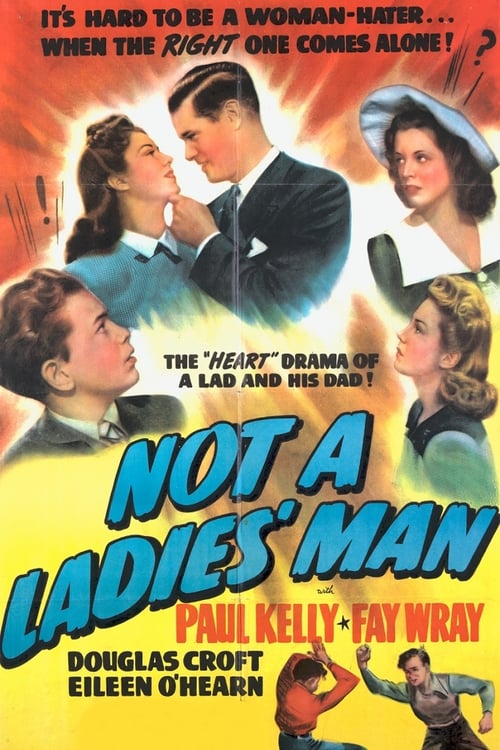
Not a Ladies' Man is a product of the 1942 studio system, operating within a rigid framework of traditional social hierarchies. It relies on established romantic-comedy clichés that prioritize conventional morality and straight-centered structures. The film lacks intentionality regarding diverse perspectives or the disruption of power dynamics. Instead, it reinforces the status quo through its casting and narrative focus on domestic stability. Ultimately, the production reflects the era's narrow social lens, offering little to no representation for underrepresented identities or non-traditional lifestyles.
Category Breakdown
The film does not include any LGBTQ+ characters or non-cisgender identities. Romantic relationships are strictly heterosexual within the era's social norms.
The story uses traditional gender roles and the 'battle of the sexes' cliché. While providing comedic tension, the narrative upholds conventional romantic structures without challenging patriarchal leadership.
The cast is uniform, reflecting the era's lack of racial diversity. There is no indication of non-white ability to act or the subversion of Anglo-Saxon casting norms.
The film adheres to traditional Western social values and conventional morality. Themes focus on domestic resolution, reinforcing rather than deconstructing standard community and family norms.
There are no visible or invisible disabilities portrayed. Characters operate within a standard able-bodied framework without representation of neurodivergence or physical disability.
Present on Screen
Limited or Absent
Official Synopsis
A recently divorced district attorney falls for his troubled son's schoolteacher.
1948

1952

1937
1942

1934

1939

1949

1940
No reviews yet. Be the first to share your thoughts on this movie!
Use the rating form above to leave a star rating and optional review.