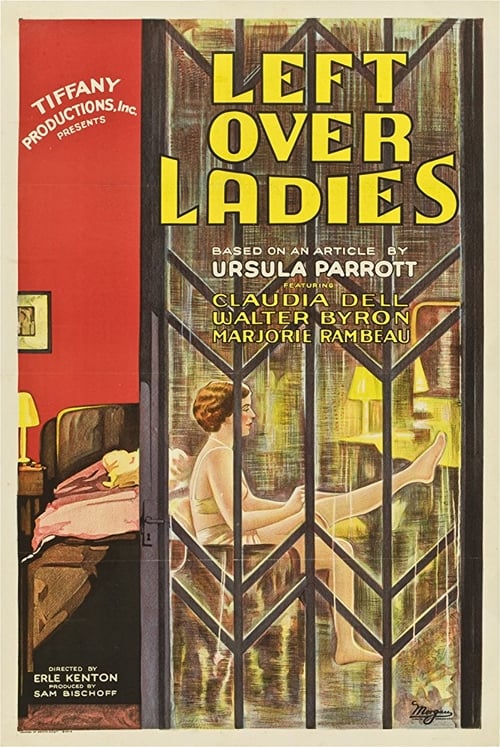
Left Over Ladies
1931
No user ratings available yet
Representation score: 1.7 out of 10
Representation Score
Minimal
1928
PassedDirector
Erle C. Kenton
Runtime
70 minutes
Average Rating
No ratings yetNew Showbiz Analysis
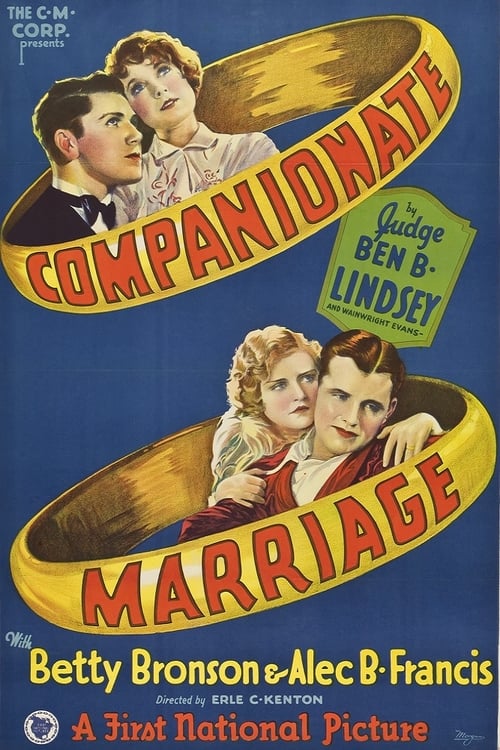
Companionate Marriage is a product of its time, functioning as a traditional drama that reinforces established social structures. The narrative focuses on the stability of the marital bond through a lens of trust and respect. The film lacks depth in representing multiple aspects of identity, sticking to the homogeneous casting and straight-centered clichés common in 1920s studio productions. It aims to refine the traditional marriage rather than challenge social hierarchies. Ultimately, the work serves as a conventional romantic drama that prioritizes Western social virtues over diverse or subversive representation.
Category Breakdown
The film follows a traditional heterosexual romance without any representation of LGBTQ+ identities or critiques of the assumption that everyone is straight or cisgender.
The story delves into the psychological depth of a marriage, avoiding purely objectified portrayals of women while still staying within traditional domestic roles.
The narrative centers on a typical Western romantic drama and adheres to the homogeneous casting standards of 1920s American cinema.
The film upholds a moral framework centered on personal virtue and reinforces traditional Western social institutions like the nuclear family.
There is no documentation of characters with physical or neurodivergent disabilities.
Present on Screen
Limited or Absent
Official Synopsis
Sally Williams (Betty Bronson) marries Donald Moore (Richard Walling) and have trials and tribulations and input from others but they demonstrate that the most successful marriages are usually based on trust and respect, rather than on sex alone. Released in the UK under the title of "The Jazz Bride".
1931

1930

1929

1952

1929

1920

1931

1935
No reviews yet. Be the first to share your thoughts on this movie!
Use the rating form above to leave a star rating and optional review.