
Red-Headed Woman
1932
No user ratings available yet
Representation score: 3.0 out of 10
Representation Score
Minimal
1931
PassedDirector
Erle C. Kenton
Runtime
68 minutes
Average Rating
No ratings yetNew Showbiz Analysis
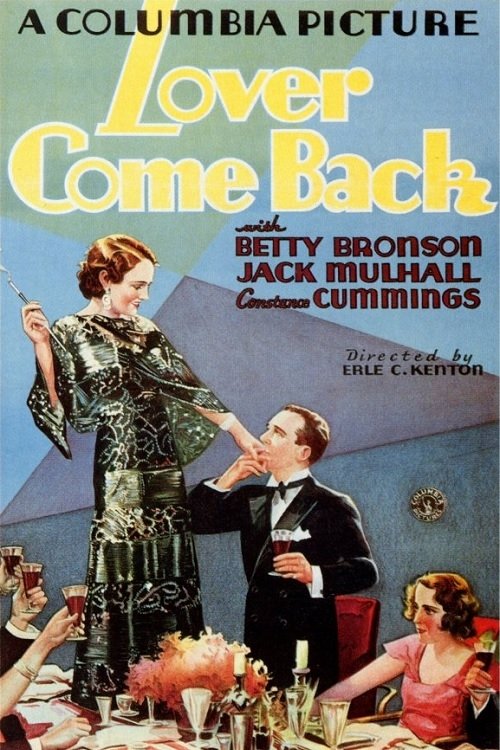
Lover Come Back is a character-driven exploration of romantic instability set against the backdrop of the Pre-Code era. While it avoids rigid moralism, the film remains rooted in traditional representations of identity. The work offers a slight progressive edge by examining complex interpersonal dynamics and female empowerment, but these elements are limited to romantic maneuvering rather than broader societal issues. Ultimately, the film is constrained by its era, lacking meaningful diversity in terms of race, ethnicity, or LGBTQ+ identities.
Category Breakdown
The film focuses solely on heterosexual relationships and does not include any characters with LGBTQ+ identities or non-binary gender expressions.
Vivian Marsh uses her influence to shape romantic outcomes, while Connie Lee's character arc deviates from the typical portrayal of unwavering feminine virtue.
The film features a predominantly white cast typical of early 1930s productions. There are no characters from diverse racial or ethnic backgrounds.
The narrative explores moral ambiguity centered around infidelity and shifting purity standards. It operates within a secular, urban context rather than a strictly religious one.
There are no characters depicted with physical, sensory, or neurodivergent disabilities. The film portrays characters functioning within a standard able-bodied framework.
Present on Screen
Limited or Absent
Official Synopsis
Tempress Vivian Marsh (Betty Bronseon) lures Tom Evans (Jack Mulhall) away from stenographer Connie Lee (Constance Cummings), the girl he really loves. Connie, on the rebound, has an affair with her married boss Yates (Jameson Thomas). Vivian, not content with her successful conquest of milquetoast Tony, decides to have a romantic liaison with Yates as well. Tony discovers her infidelity, gets a divorce, and returns to Connie, who is a bit less pure than when he abandoned her.
1932

1931

1930

1931

1932

1937

1934
1933
No reviews yet. Be the first to share your thoughts on this movie!
Use the rating form above to leave a star rating and optional review.