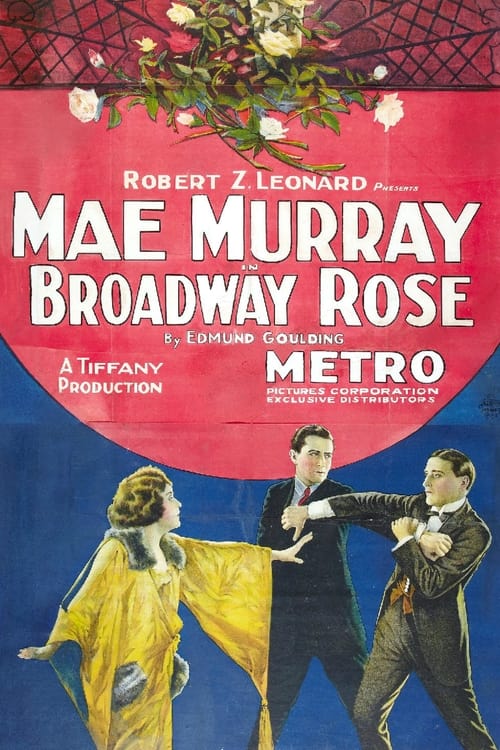
Broadway Rose
1922
No user ratings available yet
Representation score: 1.1 out of 10
No Poster Available
Representation Score
Minimal
1926
PassedDirector
Albert H. Kelley
Runtime
65 minutes
Average Rating
No ratings yetNew Showbiz Analysis
Dancing Days operates as a morality play set in the 1920s, focusing on the tension between domestic stability and hedonistic impulses. The narrative emphasizes the consequences of social transgressions and the preservation of societal appearances over any progressive exploration of identity. The film reinforces traditional hierarchies and gender stereotypes. Female characters exercise significant roles, but these are often framed through cautionary lenses, such as the 'gold-digger' archetype, rather than as genuine empowerment. Ultimately, the film lacks depth in representing diverse identities and uses disability as a superficial plot device.
Category Breakdown
The film centers on heterosexual relationships and marital infidelity. There is no representation of LGBTQ+ identities or subtext.
The characters adhere to 1920s gender stereotypes, featuring a manipulative 'gold-digger' and a reactive moral figure. Lillian stands out for her significant role in driving the story, though it is framed through a cliché used to critique female autonomy.
The narrative seems to focus on a homogeneous social group. There is no mention of racial or ethnic diversity within the cast or story.
The story critiques the excesses of the Jazz Age, depicting social behaviors as destabilizing to the traditional family unit.
Ralph Hedman’s illness serves merely as a plot device to facilitate character interactions. It does not provide a meaningful exploration of disability.
Present on Screen
Limited or Absent
Official Synopsis
Despite the fact that he has a beautiful wife who loves him and a good home, gold-digger Lillian Loring discovers that Ralph Hedman is a pushover for her winsome wiles and ways. Ralph's wife, Alice, becomes suspicious when she sees them together at lunch one day. He asks for a divorce but Alice says she wants to keep the marriage going for at least a year, for appearances sake, and says she will agree to a divorce then if he still wants it. Alive stays home alone for three months while Ralph is living it up as a full member of the Jazz Age. He gets sick and Alice invites Lillian to come over and help get him well. Lillian decides that lots of saxophone playing and wild dancing is the best cure. Alice takes all she can stand, leaves a note for Ralph and departs the premises. Ralph also takes his own departure, after leaving a note for Alice. Lillian keeps on partying. Alice and Ralph, driving their respective cars into an intersection, have a collision.
1922

1927
1928

1923
1929
1934
1925
1929
No reviews yet. Be the first to share your thoughts on this movie!
Use the rating form above to leave a star rating and optional review.