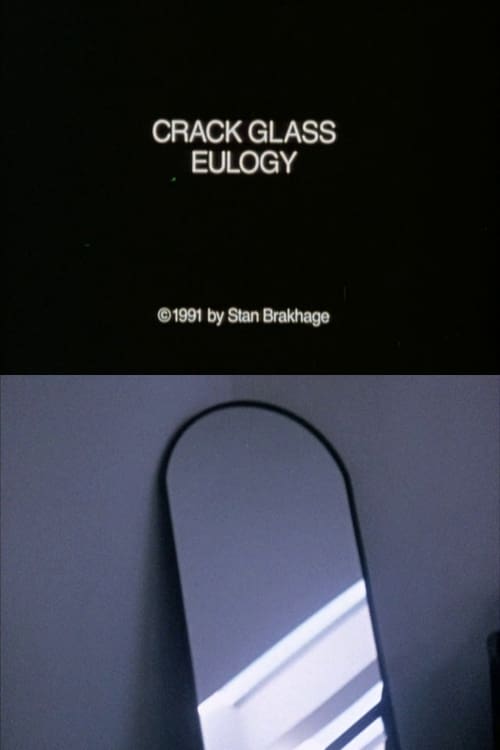
Crack Glass Eulogy
1991
No user ratings available yet
Diversity score: 5.0 out of 10

1981
Director
Stan Brakhage
Runtime
22 minutes
Average Rating
No ratings yetSynopsis
This film, photographed in London, is an exploration into the depths of unconscious reactions.
Overall Score
Fair
Category Breakdown
LGBTQ+ Representation
The film lacks explicit depictions of LGBTQ+ characters or romantic pairings. Its formal subversion of the standard gaze offers a move away from heteronormative visual structures.
Gender Representation
By eschewing character-driven plots, the film avoids traditional gender hierarchies. It disrupts archetypes of masculine leadership and submissive femininity through a non-gendered perception of form.
Racial & Ethnic Diversity
There is no verified evidence of a diverse, non-Anglo-Saxon majority cast. The film's abstract textures may bypass racial categorization, but documented intersectional casting is absent.
Religious & Cultural Diversity
The work embraces radical subjectivity by rejecting traditional Western storytelling. It critiques rationalist and capitalist structures through an emphasis on the unconscious.
Disability Representation
No explicit evidence exists regarding the portrayal of neurodivergence or physical disability. However, the focus on non-standard visual processing aligns with non-normative sensory experiences.
Strengths
Areas for Improvement
AI Analysis
Stan Brakhage’s work functions as a formalist exploration of unconscious reactions rather than a social realist narrative. Because the film rejects traditional storytelling, it cannot be measured by standard metrics of character agency or dialogue-driven representation. Instead, diversity is found in the systemic disruption of the cinematic gaze. The film's strength lies in its refusal to adhere to the organized, hierarchical structures typical of Western media, offering a more fluid perception of reality. However, the lack of explicit demographic representation or documented intersectional casting limits its score in traditional categories. It prioritizes abstract textures and subjective experience over visible social identity.
1991
1962
1967
1999
1993
1960
1981

1968
1983
1968
1993
1966
No reviews yet. Be the first to share your thoughts on this movie!
Use the rating form above to leave a star rating and optional review.