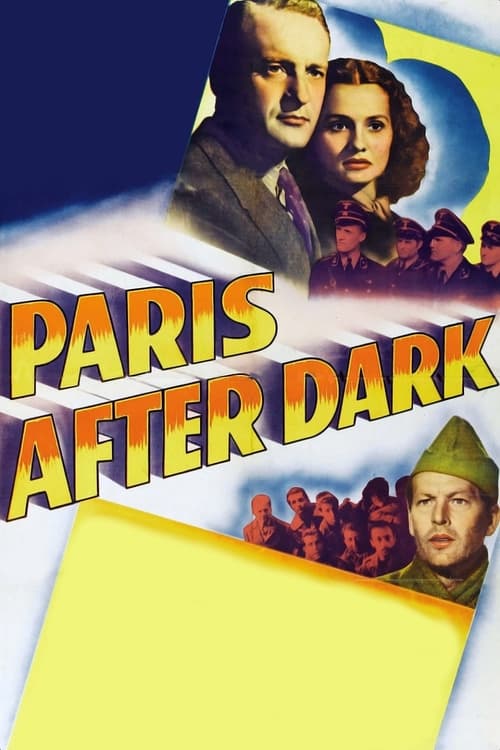
Paris After Dark
1943
No user ratings available yet
Representation score: 2.7 out of 10
Representation Score
Fair
1946
ApprovedDirector
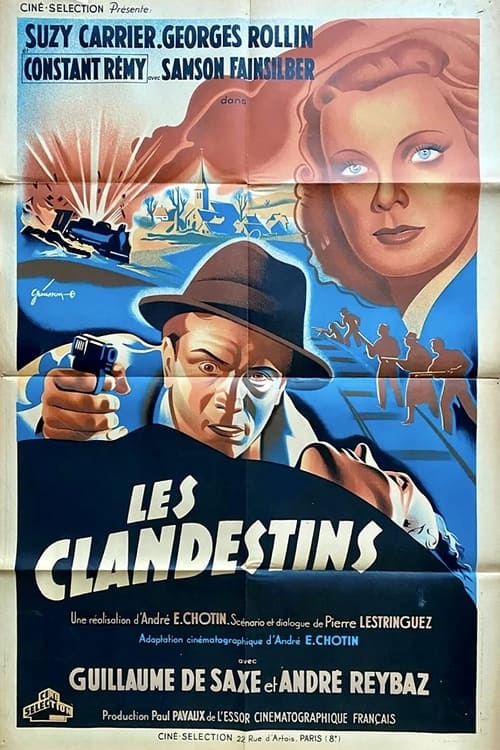
André Chotin
Runtime
85 minutes
Average Rating
No ratings yetNew Showbiz Analysis
Clandestine (1946) presents a historical look at the French resistance, going beyond typical wartime clichés to include diverse participants in the struggle. The film highlights the active roles of women and Jewish characters in the sabotage efforts against the Nazi occupation. While the film does not feature modern multi-layered complexity or LGBTQ+ characters, it successfully portrays a collective effort against an oppressive power structure. The characters are defined more by their resistance roles than by passive civilian roles. Ultimately, the film offers a meaningful depiction of ethnic and gendered ability to act within the historical context of post-war France.
Category Breakdown
The film does not explicitly show non-traditional gender identities or same-sex relationships. The story focuses mainly on the wartime resistance effort.
Female characters, such as a Parisian woman and her children, play important roles in the resistance. They provide crucial support and help sabotage a train carrying weapons.
A Jewish doctor is portrayed as a key figure in the resistance. This character is shown as actively involved rather than being sidelined.
The story centers on resisting the Nazi regime and systemic oppression. It portrays the occupation as an authoritarian force to be challenged.
The main character is described as wounded, but it is unclear if the injury is explored in depth. There is not enough information to judge the representation.
Present on Screen
Limited or Absent
Official Synopsis
A resistance leader is wounded when the Germans raid his underground print shop. He escapes to the home of a German-friendly Parisian and is helped by her son and daughter. A Jewish doctor also aids him. They all join him in his efforts against the Nazis and derail a munitions train.
1943
1945
1946

2002
1946
1960
1987

1943
No reviews yet. Be the first to share your thoughts on this movie!
Use the rating form above to leave a star rating and optional review.