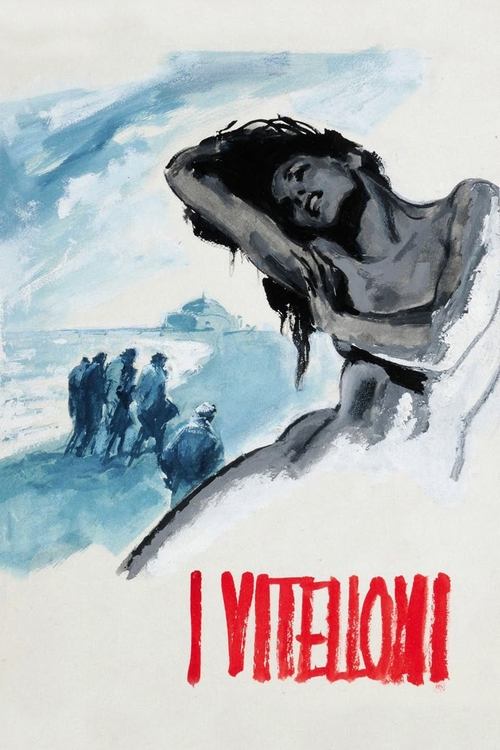
I Vitelloni
1953
No user ratings available yet
Representation score: 4.1 out of 10
Representation Score
Good
1973
RDirector
Federico Fellini
Runtime
123 minutes
Average Rating
No ratings yetNew Showbiz Analysis
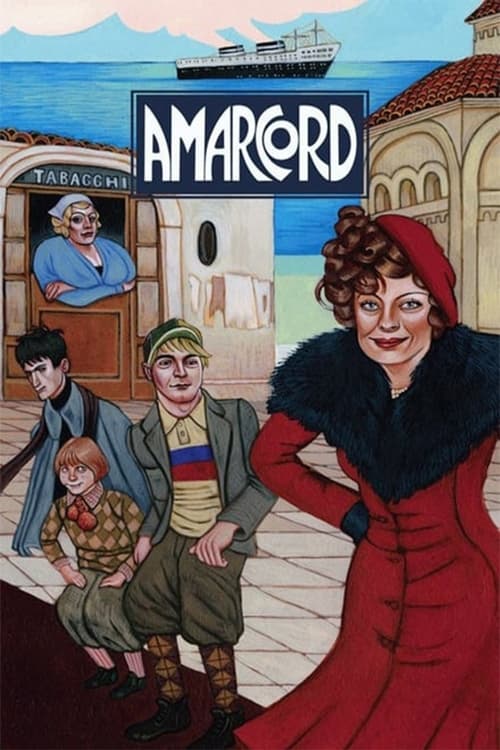
Amarcord is a surrealist exploration of memory that emphasizes the irrationality of human behavior over conventional social order. It excels in deconstructing the authority of institutions like the Church and Fascist state through satire, presenting these entities as absurd and chaotic. While the film provides a nuanced view of gender by challenging traditional male clichés, it remains limited by its historical context. The lack of LGBTQ+ and racial diversity keeps the representation narrow, focusing on the socioeconomic dynamics of a specific Italian town. Ultimately, the film's strength lies in its cultural critique. It replaces idealized social structures with a carnival-like portrayal of family and authority, highlighting the messy reality of provincial life.
Category Breakdown
The film does not explicitly include LGBTQ+ identities or stories centered around queer experiences. It focuses on heterosexual relationships and does not explore non-binary gender expressions.
Women in the film have significant roles in shaping their own lives and navigating social dynamics. Men are portrayed as performing masculinity in ways that are often ineffective or comical.
The story primarily features characters from a homogeneous racial background typical of 1930s Italy. There is no representation of diverse racial or ethnic backgrounds.
The film effectively critiques institutional power structures like the Catholic Church and Fascist authorities through satire. These institutions are portrayed as absurd and nonsensical elements of a chaotic society.
Characters with physical differences contribute to the film's surreal atmosphere. However, these portrayals can sometimes feel like caricatures rather than fully developed characters with meaningful ability to act.
Present on Screen
Limited or Absent
Official Synopsis
In an Italian seaside town, young Titta gets into trouble with his friends and watches various local eccentrics as they engage in often absurd behavior. Frequently clashing with his stern father and defended by his doting mother, Titta witnesses the actions of a wide range of characters, from his extended family to Fascist loyalists to sensual women, with certain moments shifting into fantastical scenarios.
1953
1972
1965
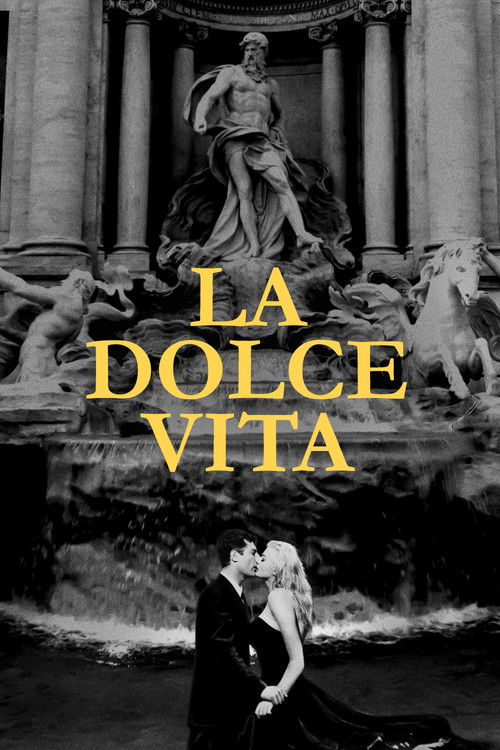
1960
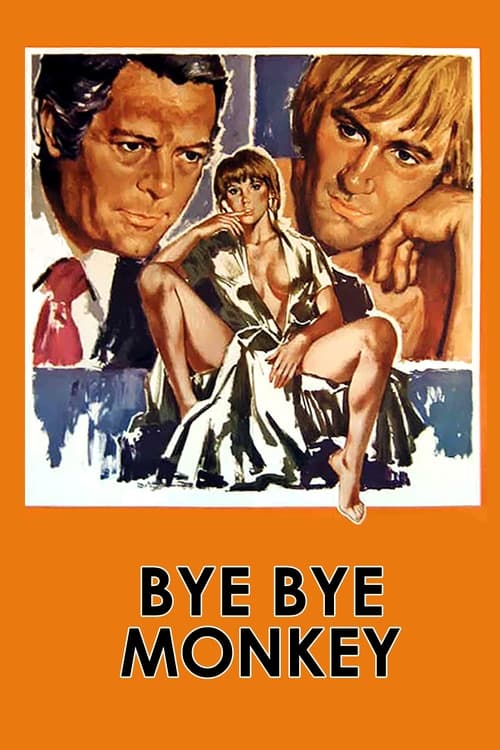
1978
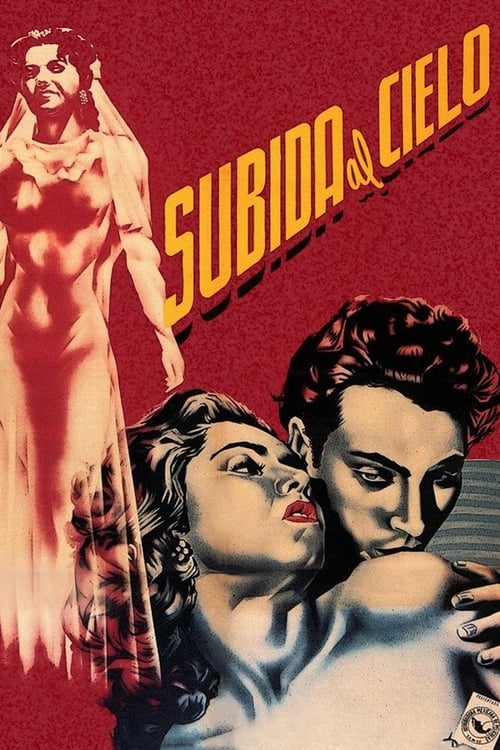
1952
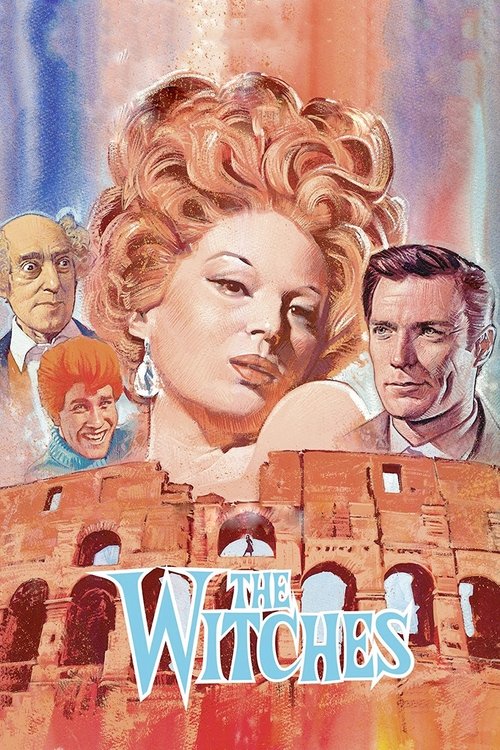
1967
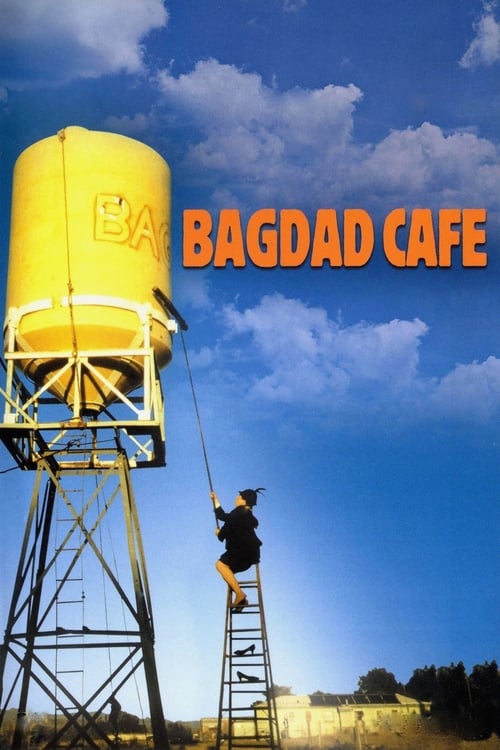
1987
No reviews yet. Be the first to share your thoughts on this movie!
Use the rating form above to leave a star rating and optional review.