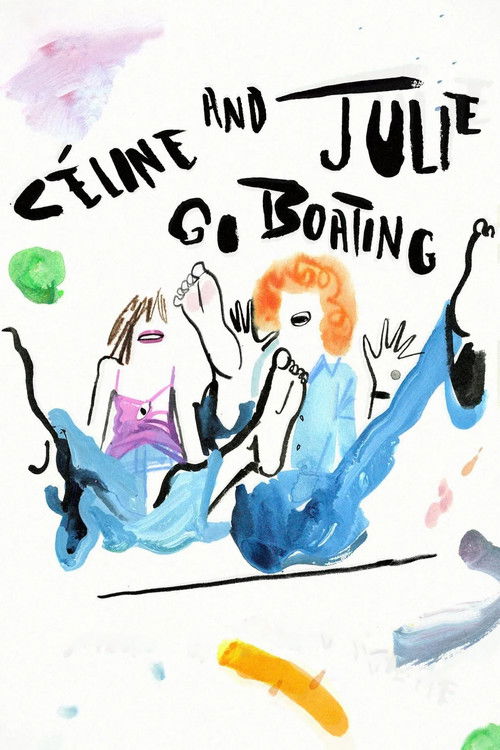
Céline and Julie Go Boating
1974
No user ratings available yet
Representation score: 7.5 out of 10
Representation Score
Good
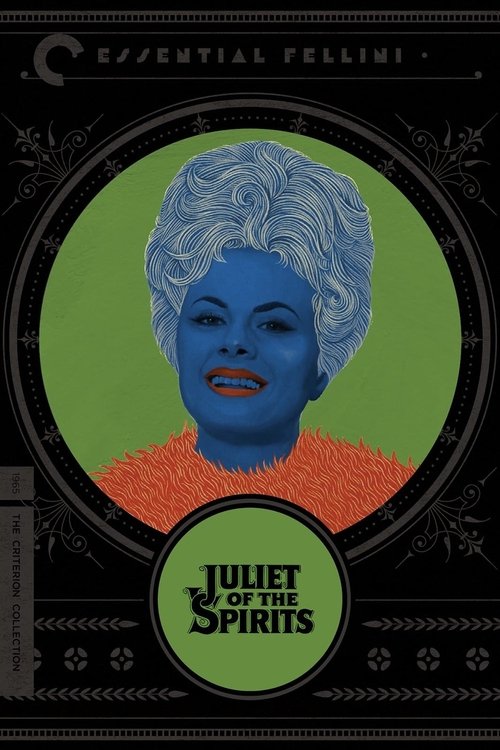
1965
Not RatedDirector
Federico Fellini
Runtime
148 minutes
Average Rating
No ratings yetNew Showbiz Analysis
Juliet of the Spirits stands out from mid-century domestic dramas by prioritizing the subjective female psyche over social structures. Its strength lies in subverting traditional gender hierarchies and empowering its female lead. However, the film is limited by its era's social constraints, lacking racial and LGBTQ+ diversity. It maintains a homogeneous European setting. Ultimately, the film's progressive value lies in its deconstruction of religious and patriarchal institutions, using surrealism to champion individual identity over systemic conformity.
Category Breakdown
The film does not feature prominent LGBTQ+ characters or identities. It focuses on the protagonist's marital dissatisfaction and psychological journey.
The film challenges traditional gender roles by emphasizing Giulietta's intellectual and spiritual growth. Her husband is portrayed as inadequate and unfaithful, undermining his authority.
The cast is homogeneous, reflecting a specific mid-century Roman setting. The film does not blend races intentionally, focusing instead on a localized European experience.
The story critiques oppressive religious dogma through surreal, dream-like spirituality. It portrays the protagonist's confusion as a valid human condition rather than a moral failing.
The film does not depict traditional physical or neurodivergent disabilities. Instead, it uses psychological fragmentation to explore the protagonist's internal instability.
Present on Screen
Limited or Absent
Official Synopsis
Middle-aged Giulietta grows suspicious of her husband, Giorgio, when his behavior grows increasingly questionable. One night when Giorgio initiates a seance amongst his friends, Giulietta gets in touch with spirits and learns more about herself and her painful past. Slightly skeptical, but intrigued, she visits a mystic who gives her more information -- and nudges her toward the realization that her husband is indeed a philanderer.
1974

1976
1974
1945

1993
1990
1962
1950
No reviews yet. Be the first to share your thoughts on this movie!
Use the rating form above to leave a star rating and optional review.