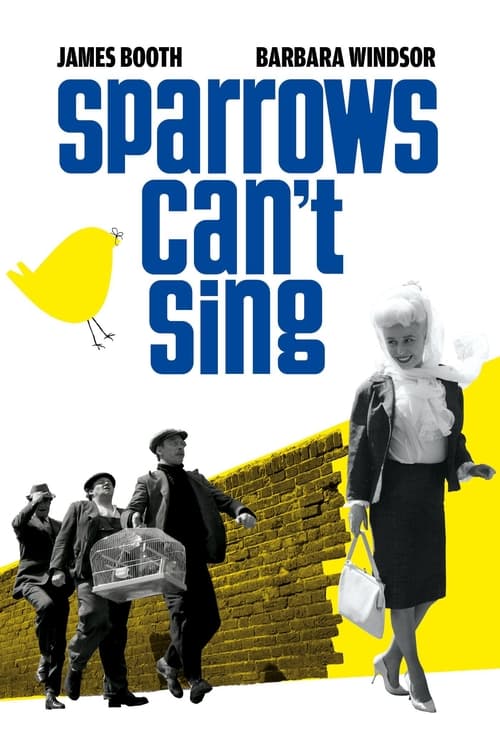
Sparrows Can't Sing
1963
No user ratings available yet
Diversity score: 4.9 out of 10
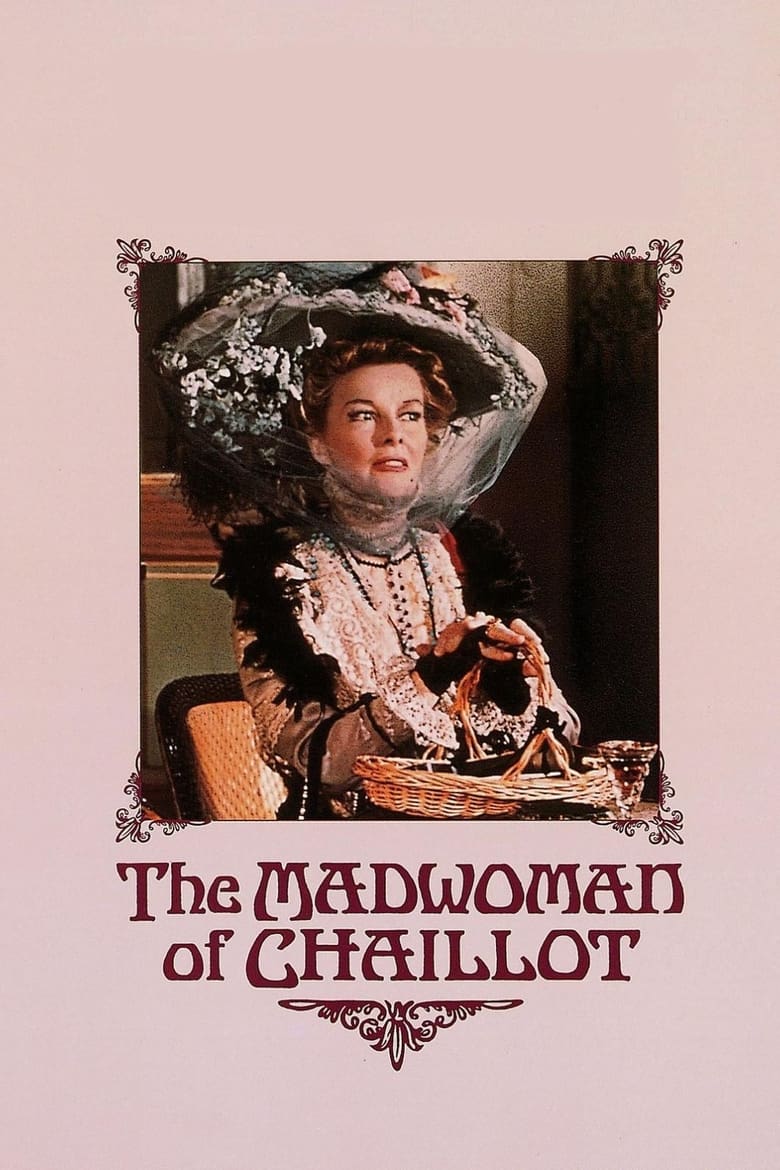
1969
GDirector
Bryan Forbes
Runtime
132 minutes
Average Rating
No ratings yetSynopsis
An eccentric Parisian woman's optimistic perception of life begins to sound more rational than the rather traditional beliefs of others.
Overall Score
Fair
Category Breakdown
LGBTQ+ Representation
The film lacks explicit LGBTQ+ characters or depictions of non-cisnormative identities. While the surrealist aesthetic allows for fluid interpretations, no queer themes or same-sex intimacy are present.
Gender Representation
Ida subverts traditional tropes by occupying a position of supreme moral and intellectual authority. The narrative empowers a female lead to drive the conflict against predatory male antagonists.
Racial & Ethnic Diversity
The production features a predominantly white European cast set in a stylized Paris. There is a notable absence of racial diversity or non-Anglo-Saxon representation.
Religious & Cultural Diversity
The story offers a profound anti-capitalist critique of modern Western institutions. It celebrates the 'little people' and their rebellion against the dehumanizing forces of industrial greed.
Disability Representation
The protagonist's 'madness' is used as an allegorical lens for neurodivergence. While Ida possesses high agency, the film favors philosophical symbolism over realistic disability representation.
Strengths
Areas for Improvement
AI Analysis
The film excels in its systemic critique, using allegory to challenge capitalist expansion and traditional authority. It positions the eccentric and the marginalized as the primary agents of moral truth, providing a progressive narrative architecture despite limited demographic variety. However, the film is narrow in its demographic scope. It lacks racial diversity and explicit LGBTQ+ representation, focusing instead on class and philosophical divides within a white European setting. Ultimately, the work trades realistic representation for symbolic storytelling. It succeeds in subverting social hierarchies but misses opportunities for nuanced intersectional or realistic portrayals of identity.
1963
1973

1972
1959
1974
1971
1967

1975
2007

1972
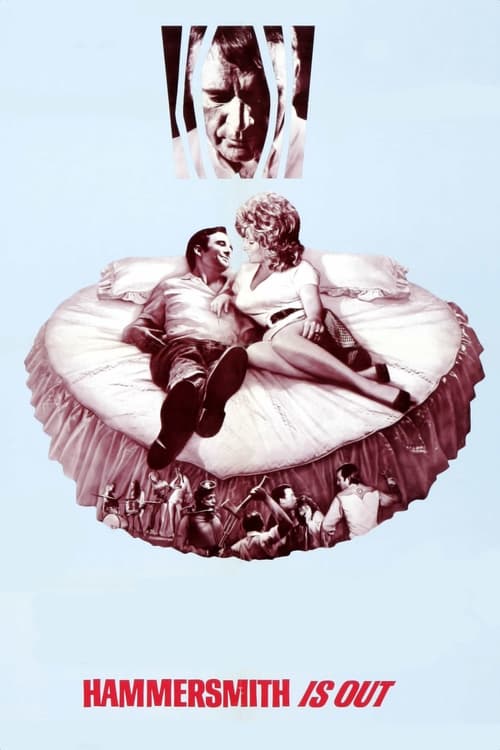
1972
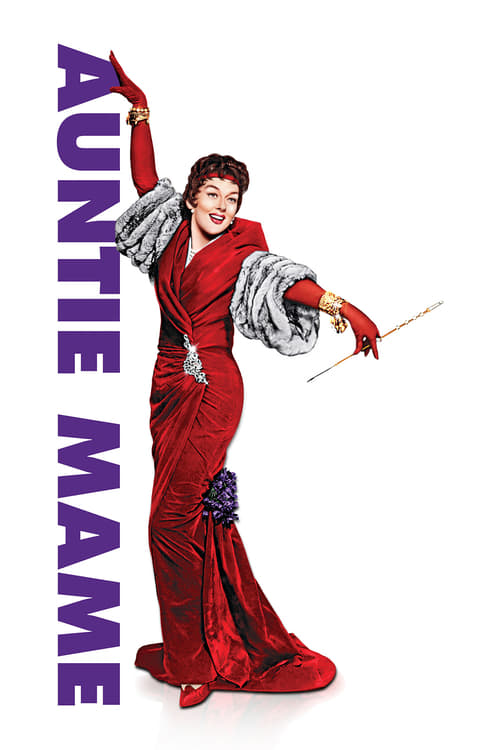
1958
No reviews yet. Be the first to share your thoughts on this movie!
Use the rating form above to leave a star rating and optional review.