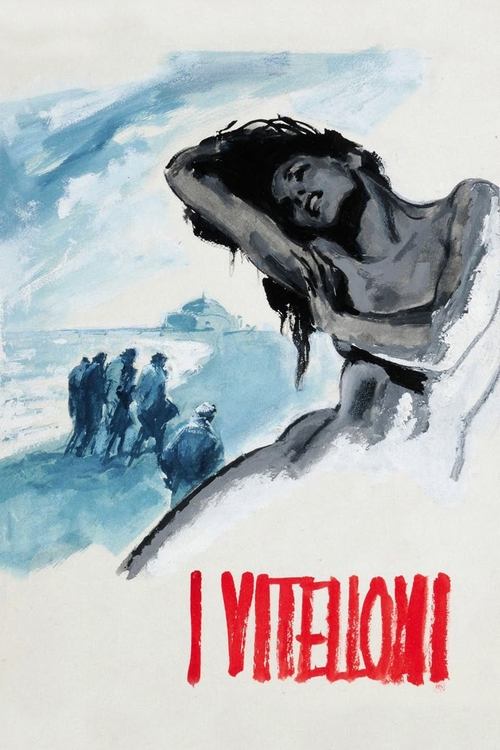
I Vitelloni
1953
No user ratings available yet
Representation score: 4.1 out of 10
Representation Score
Fair
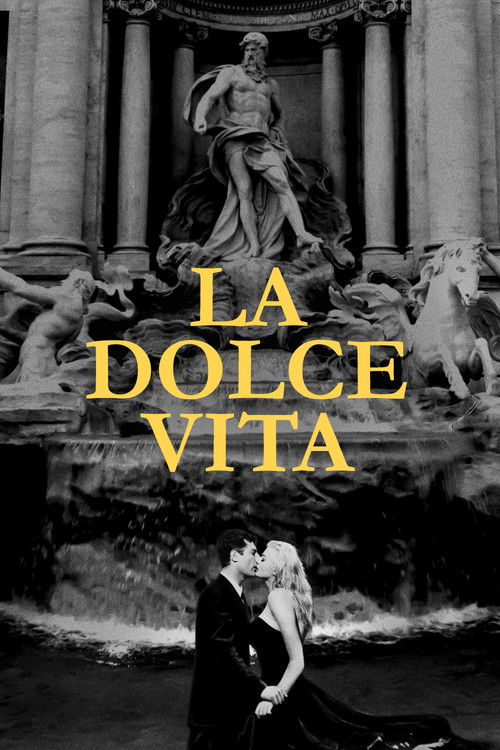
1960
NRDirector
Federico Fellini
Runtime
174 minutes
Average Rating
No ratings yetNew Showbiz Analysis
Federico Fellini's masterpiece serves as a profound critique of Western institutions. Although it lacks diversity in terms of race, disability, and LGBTQ+ identities, it excels in intellectually challenging the status quo. The film dismantles the perceived sanctity of religion and social order through an episodic, relativistic lens. It replaces traditional moral certainties with a complex exploration of modern alienation and hedonism. Ultimately, the work's strength lies in its cultural commentary rather than its representation of underrepresented identities, making it a seminal study of societal fragmentation.
Category Breakdown
The film focuses on traditional heterosexual relationships and romantic transactions. It doesn't include explicit representations of LGBTQ+ identities or critiques of social norms related to sexual orientation and gender.
Women such as Sylvia and Maddalena have significant social and intellectual influence. However, the story is mostly told from Marcello's perspective, often presenting women as objects of admiration.
The setting reflects the relatively homogeneous society of 1960s Rome. Social circles are primarily made up of European upper and middle classes without much ethnic diversity.
The film provides a sophisticated critique of the Roman Catholic Church and post-war consumerism. It highlights the spiritual emptiness found in modern celebrity culture.
There is no significant or meaningful portrayal of disability. Characters are defined by their social status or psychological conditions rather than physical or cognitive differences.
Present on Screen
Limited or Absent
Official Synopsis
Episodic journey of journalist Marcello who struggles to find his place in the world, torn between the allure of Rome's elite social scene and the stifling domesticity offered by his girlfriend, all the while searching for a way to become a serious writer.
1953
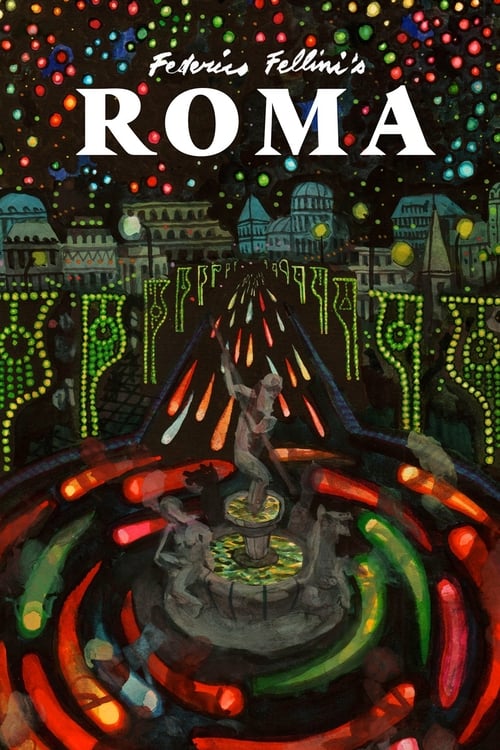
1972
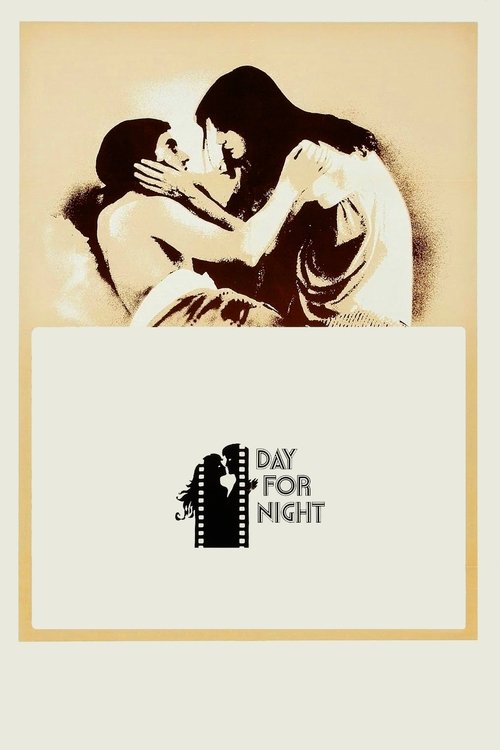
1973
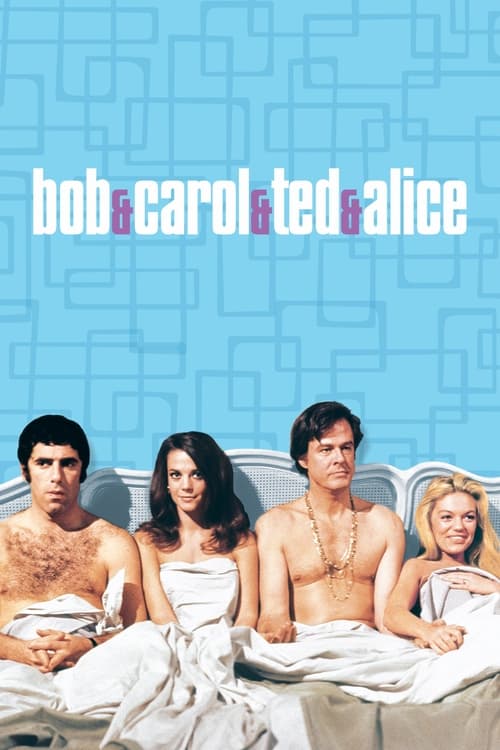
1969
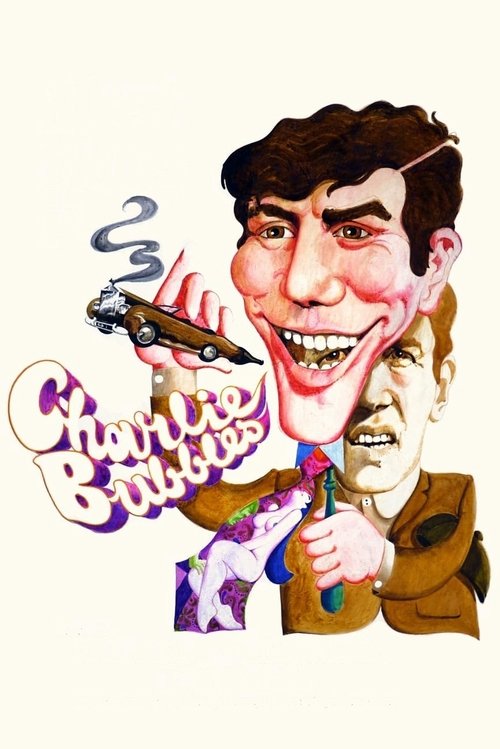
1968

1963
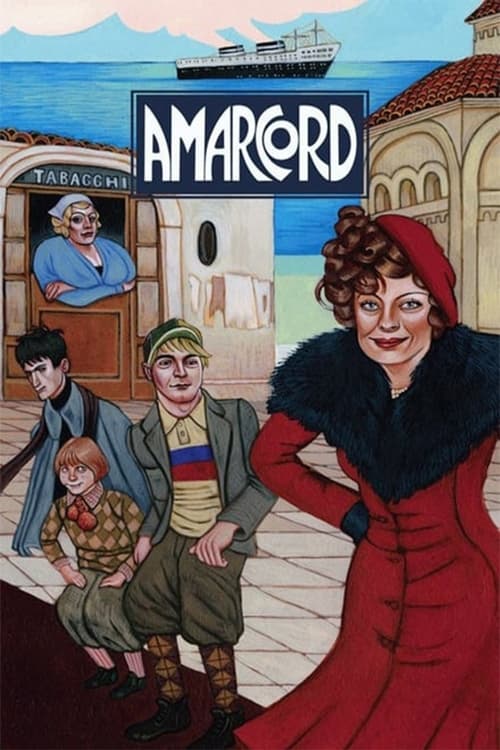
1973
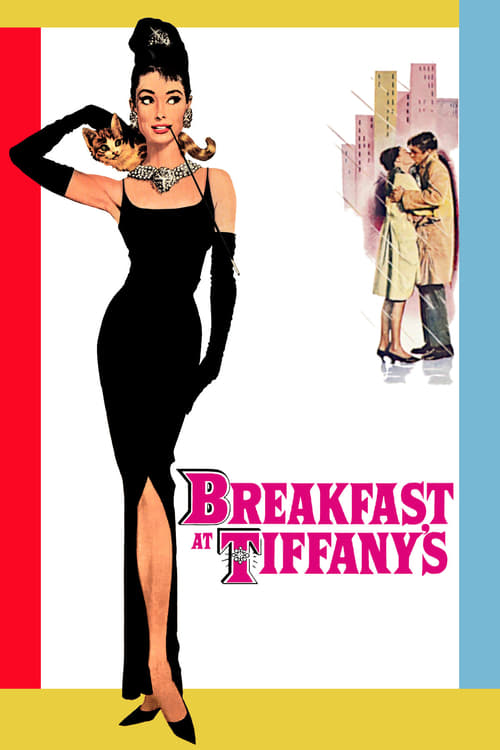
1961
No reviews yet. Be the first to share your thoughts on this movie!
Use the rating form above to leave a star rating and optional review.