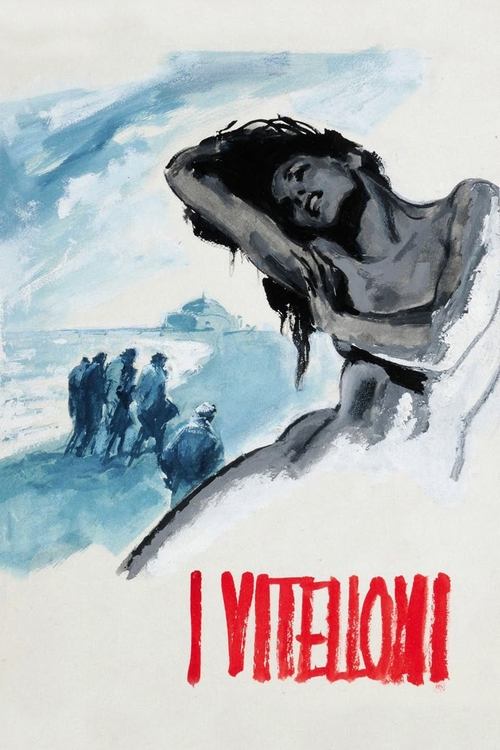
I Vitelloni
1953
No user ratings available yet
Representation score: 4.1 out of 10
Representation Score
Good
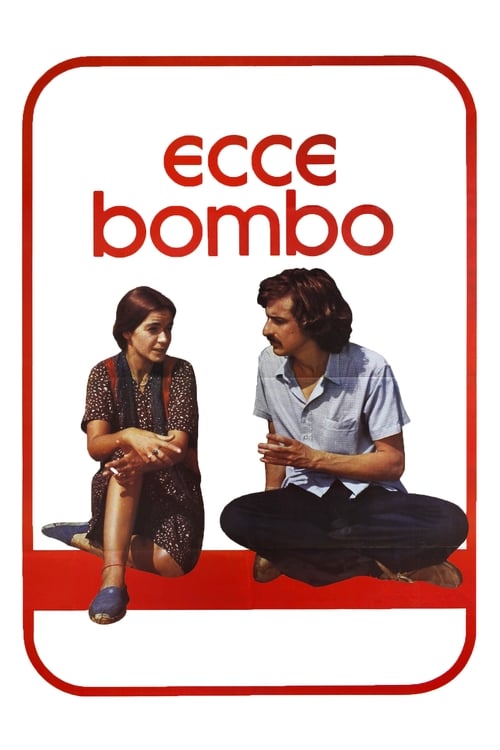
1978
Not RatedDirector
Nanni Moretti
Runtime
103 minutes
Average Rating
No ratings yetNew Showbiz Analysis
Ecce Bombo is a character-driven study of disillusionment that prioritizes intellectual and cultural critique over demographic diversity. It successfully deconstructs Western social pillars and traditional authority, offering a sophisticated critique of bourgeois lifestyles and systemic stagnation. However, the film reflects a homogeneous Italian urban environment, lacking significant racial diversity and failing to center non-assuming gender matches what was assigned at birth identities. Its focus remains on the psychological struggles of a male peer group.
Category Breakdown
The film does not include explicit LGBTQ+ storylines or critiques of the assumption that everyone is straight or cisgender. Instead, it focuses on the breakdown of traditional romantic structures and the psychological struggles of a male group.
Female characters are shown as intellectually capable participants rather than just romantic interests. However, the story mainly revolves around the psychological concerns of the male characters.
The film depicts the demographic homogeneity of the Italian urban intelligentsia in late 1970s Rome. There is no significant presence of non-white actors or ethnic diversity.
The film effectively critiques Western institutions such as the family unit and capitalism. It portrays bourgeois lifestyles and traditional authority as sources of stagnation.
The narrative provides a nuanced look at mental health and social alienation. These issues are central to character identity rather than being mocked.
Present on Screen
Limited or Absent
Official Synopsis
Four friends, former 1968 student protesters who have checked out of politics and struggle to come to terms with the present, try self-criticism to figure out what to do with themselves, only to end up doing what they do best: sinking into endless talk without ever reaching a conclusion.
1953

1989

1976

1999

1981
1988
2000
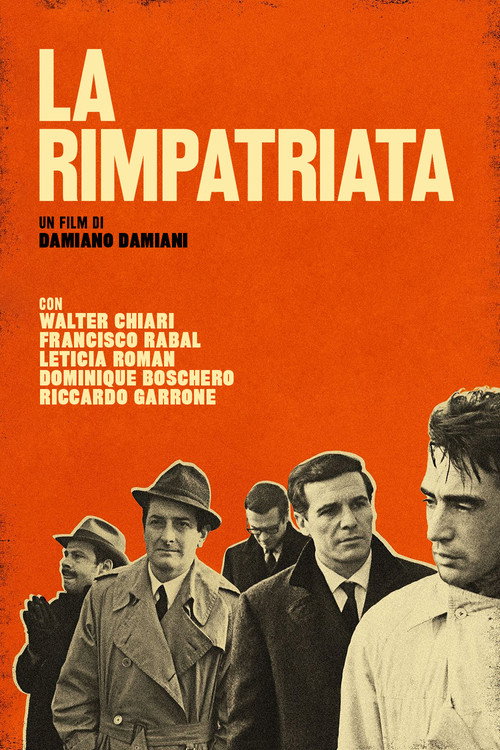
1963
No reviews yet. Be the first to share your thoughts on this movie!
Use the rating form above to leave a star rating and optional review.