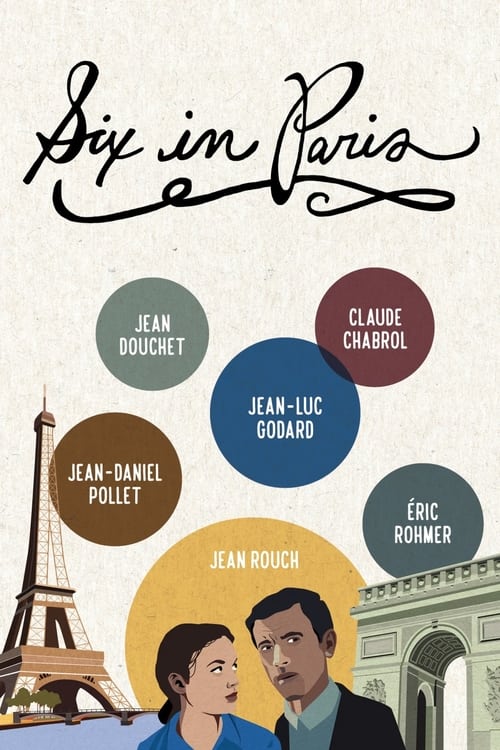
Six in Paris
1965
No user ratings available yet
Representation score: 3.8 out of 10
Representation Score
Good
1963
Not RatedDirector
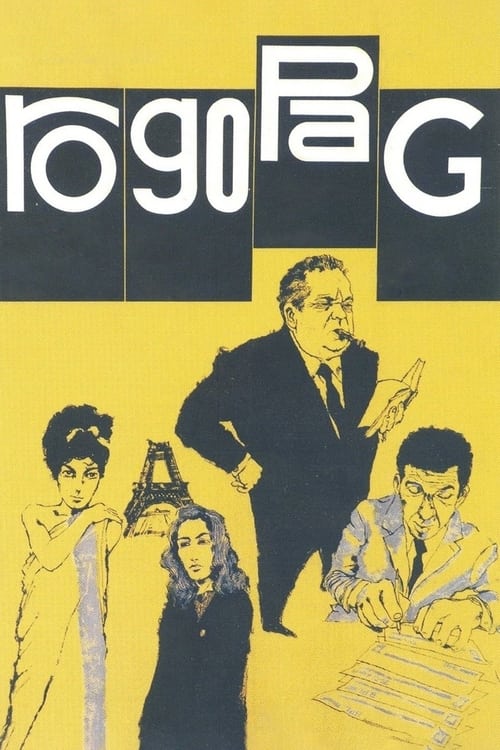
Ugo Gregoretti, Jean-Luc Godard, Pier Paolo Pasolini, Roberto Rossellini
Runtime
122 minutes
Average Rating
No ratings yetNew Showbiz Analysis
Ro.Go.Pa.G. serves as a fragmented, postmodern reflection on 1960s Italy. Its strength lies in its intellectual subversion, using a high-profile directorial lineup to challenge bourgeois values and traditional narrative authority. The film effectively critiques institutions and gendered objectification. It uses satire to challenge the status quo and the homogenizing effects of modern consumerism. However, the work lacks diversity in terms of racial representation and disability. It also misses opportunities for explicit LGBTQ+ storytelling, focusing instead on broader social shifts and class dynamics.
Category Breakdown
The anthology does not include explicit LGBTQ+ stories or clearly defined non-straight identities. Instead, it focuses on broader themes of sexual freedom and urban desires.
The film challenges traditional gender roles through satire and stylized romantic scenes. It critiques the objectification of women and presents more fluid gender dynamics.
The setting centers on the Italian working class and urban life. While it explores underrepresented social identities, the cast lacks significant racial or non-Anglo-Saxon diversity.
The film excels at criticizing consumerism and capitalist structures. It prioritizes depicting social fragmentation over traditional Christian or religious authority.
There is no meaningful or significant portrayal of physical or neurodivergent disabilities. The narrative focus remains on class, gender, and the psychological pressures of urban life.
Present on Screen
Limited or Absent
Official Synopsis
Four short films by four different directors dealing with the principles of modern life. "Illibatezza" (Rossellini): The hostess Anna Maria, to dissuade an aggressive suitor who prefers maternal tendencies, assumes an unscrupulous attitude, obeying the suggestions of her distant boyfriend. "The New World" (Godard): The deflagration of an atomic bomb causes strange effects on the inhabitants of a city. "La ricotta" (Pasolini): During the filming of a film about a religious subject, the extra Stracci dies hanging on the cross due to an indigestion of ricotta. "Il pollo spante" (Gregoretti): While an expert illustrates to a board of merchants the most modern techniques to increase sales through the discovery of the secret self of the average consumer, the human story of a bourgeois who, following these suggestions, focuses on the purchase of a plot of land in the countryside.
1965
1972
1967
1978
1971
1953
1964
1962
No reviews yet. Be the first to share your thoughts on this movie!
Use the rating form above to leave a star rating and optional review.