La Dolce Vita
1960
No user ratings available yet
Representation score: 5.2 out of 10
Representation Score
Fair
1972
RDirector
Federico Fellini
Runtime
120 minutes
Average Rating
No ratings yetNew Showbiz Analysis
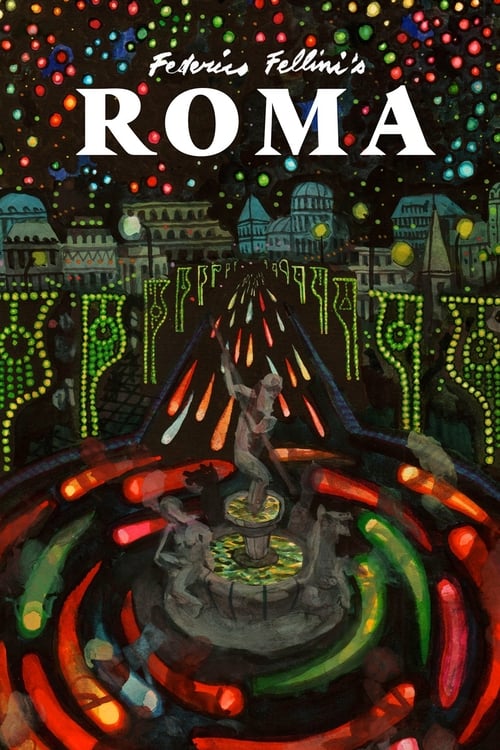
Federico Fellini’s *Roma* is an impressionistic exploration of a city’s soul, prioritizing atmosphere and cultural critique over explicit identity-driven storytelling. It challenges traditional social orders and religious institutions through a gaudy and chaotic lens. However, the film lacks depth in representing LGBTQ+ narratives and non-European racial identities, focusing instead on Mediterranean social strata.
Category Breakdown
The film presents a diverse range of human desires but lacks focused LGBTQ+ narratives or arcs that highlight queer experiences.
Fellini offers a detailed look at the complexity and ability to act of women, emphasizing their roles in driving the story despite the non-linear structure.
The movie primarily focuses on the Mediterranean social landscape of the early 1970s, with limited representation of non-white or non-European identities.
The film effectively portrays the city through a lens of dysfunction, highlighting subjective morality and critiquing traditional religious and patriotic ideals.
There is no specific portrayal of visible or invisible disabilities within the film's narrative.
Present on Screen
Limited or Absent
Official Synopsis
A virtually plotless, gaudy, impressionistic portrait of Rome through the eyes of one of its most famous citizens.
1960
1953
1973
1963
1978
1993
1974
1965
No reviews yet. Be the first to share your thoughts on this movie!
Use the rating form above to leave a star rating and optional review.