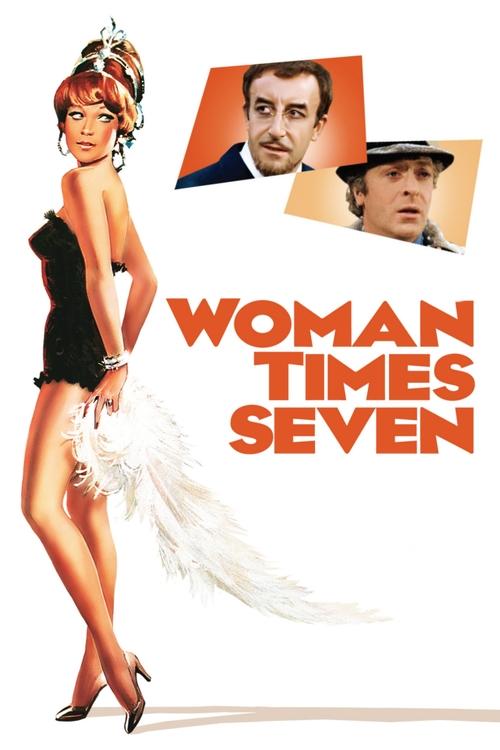
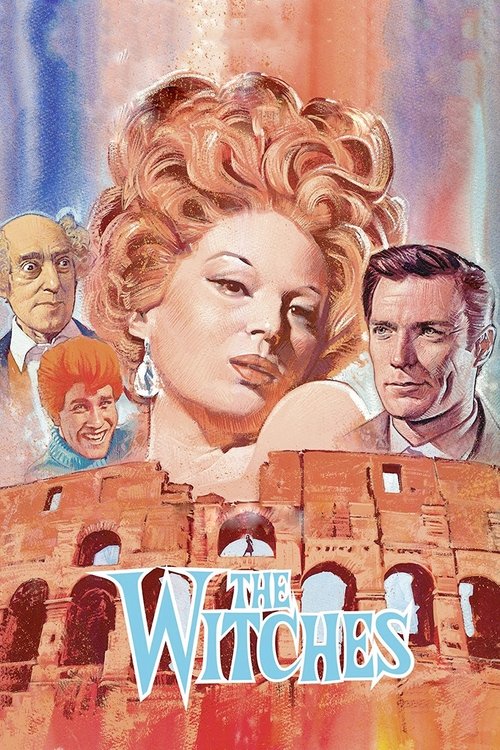
Woman Times Seven
1967
No user ratings available yet
Representation score: 1.8 out of 10
Representation Score
Good
1967
NRDirector
Luchino Visconti, Mauro Bolognini, Pier Paolo Pasolini, Franco Rossi, Vittorio De Sica
Runtime
111 minutes
Average Rating
No ratings yetNew Showbiz Analysis
The film's strength lies in its intellectual structure and its challenge to gender hierarchies. By featuring renowned directors like Pasolini and Visconti, the anthology offers a sophisticated critique of patriarchal and religious authority. It successfully portrays women as active agents who challenge established social orders. However, the film is constrained by its historical and regional context. The absence of LGBTQ+ narratives and multi-layered racial diversity limits its demographic representation. While it avoids mocking physical vulnerability, disability remains a plot device rather than a central identity. Overall, the work examines power dynamics, prioritizing the deconstruction of institutional morality over broad demographic representation.
Category Breakdown
The film does not explicitly address non-straight or non-cisgender identities. Instead, it focuses on the conflict between women and existing patriarchal structures.
Women are depicted as disruptive forces rather than passive subjects. The film uses the 'witch' archetype to challenge traditional femininity and break down submissive female stereotypes.
The casting reflects mid-20th-century European demographics. While it avoids whitewashing by focusing on local socioeconomic realities, it lacks diverse racial representation.
The anthology critiques traditional Western institutions by presenting religious and state authority as systemic failures. It explores the tension between individual ability to act and social conformity.
Physical vulnerability, such as an injured man, serves as a plot catalyst rather than a nuanced exploration of disability. There is no focus on neurodivergence.
Present on Screen
Limited or Absent
Official Synopsis
Five short stories loosely dealing with the roles of women in society. A superstar actress travels to a mountain resort, only to evoke jealousy from women and lust from men. A woman offers to take an injured man to the hospital. A widowed father and his son seek for a new wife/mother. A man seeks revenge for a woman's honor. A bored housewife tries to explain to her husband that he's not as romantic as he used to be.
1967
1962
1964
1963
1953
1963
1965
1967
No reviews yet. Be the first to share your thoughts on this movie!
Use the rating form above to leave a star rating and optional review.