Basil
1998
No user ratings available yet
Representation score: 4.1 out of 10
Representation Score
Limited
1997
PGDirector
Agnieszka Holland
Runtime
115 minutes
Average Rating
No ratings yetNew Showbiz Analysis
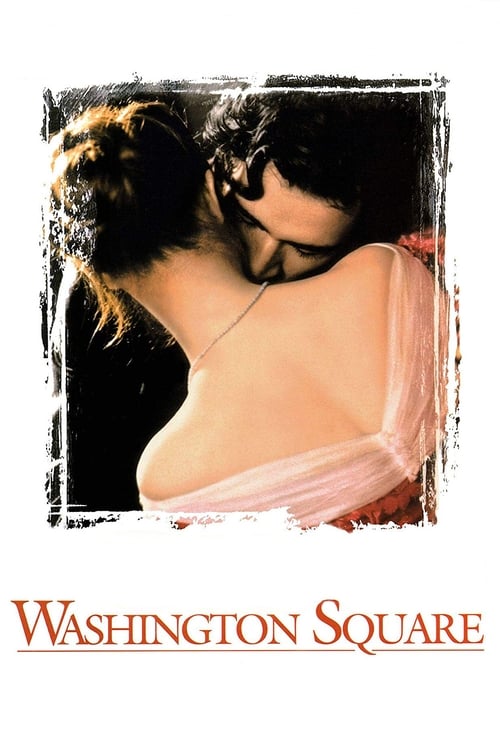
Washington Square is a sophisticated period drama that emphasizes psychological realism over broad demographic representation. Using a historical backdrop, it explores the systemic pressures placed on individuals, particularly regarding social and economic norms. Though the film lacks diversity in terms of race and LGBTQ+ identities, it offers a deep gender-focused critique. By centering on a woman navigating a restrictive environment, it challenges the stability of the 19th-century family structure. The film's emphasis remains on the class-based tensions within the Anglo-American elite and the transactional nature of wealth-driven relationships.
Category Breakdown
The film adheres strictly to 19th-century conventions that assume everyone is straight and cisgender. There are no depictions of non-traditional gender identities or same-sex relationships.
The story focuses on Catherine Sloper's struggle against patriarchal control. It highlights the emotional cruelty of dominant male figures, challenging traditional gender roles.
The cast primarily consists of white actors, reflecting the upper-class society of 1840s New York. The film does not include characters of diverse racial backgrounds.
The film critiques the capitalist culture of high society and how wealth shapes human interactions. It delves into the psychological impact of these mercenary social structures.
There are no prominent depictions of physical, sensory, or neurodivergent disabilities in the main storyline.
Present on Screen
Limited or Absent
Official Synopsis
In 1870s New York, spinster heiress Catherine Sloper is courted by the much younger, penniless Morris Townsend, much to the chagrin of her overprotective father. Catherine must decide whether to spend the rest of her life alone, or marry a man interested in her solely for her inheritence.
1998

1971
2000

1964
1998
1949
1999
1999
No reviews yet. Be the first to share your thoughts on this movie!
Use the rating form above to leave a star rating and optional review.