
Lola
1961
No user ratings available yet
Representation score: 3.2 out of 10
Representation Score
Limited
1964
PG-13Director
Jacques Demy
Runtime
93 minutes
Average Rating
No ratings yetNew Showbiz Analysis
Jacques Demy’s masterpiece uses a sung-through musical format to explore profound emotional truths. It stands out by challenging the expected 'fairytale' optimism of the genre, offering a bittersweet, realistic perspective on how war and economic necessity shape human lives. However, the film remains a product of its era, lacking modern multi-layered breadth. Its narrative is deeply localized and ethnically homogeneous, focusing on the domestic impact of conflict without diverse racial or queer perspectives. Ultimately, the film's strength lies in its psychological depth and its refusal to provide easy, triumphant resolutions, offering instead a complex study of lost idealism.
Category Breakdown
The film focuses on a traditional heterosexual relationship without any representation of LGBTQ+ identities or queer subtext.
Geneviève demonstrates strong ability to act in dealing with pregnancy and socioeconomic pressures. She follows a traditional path but avoids submissive stereotypes.
The cast is ethnically uniform, reflecting a localized French society. The Algerian War serves as a plot catalyst without exploring post-colonial identity.
The story emphasizes emotional realism over idealized moralism. It depicts personal struggles against time and geopolitical obligations without critiquing specific religious or capitalist institutions.
The primary cast and central plotlines do not include any prominent depictions of physical, sensory, or neurodivergent disabilities.
Present on Screen
Limited or Absent
Official Synopsis
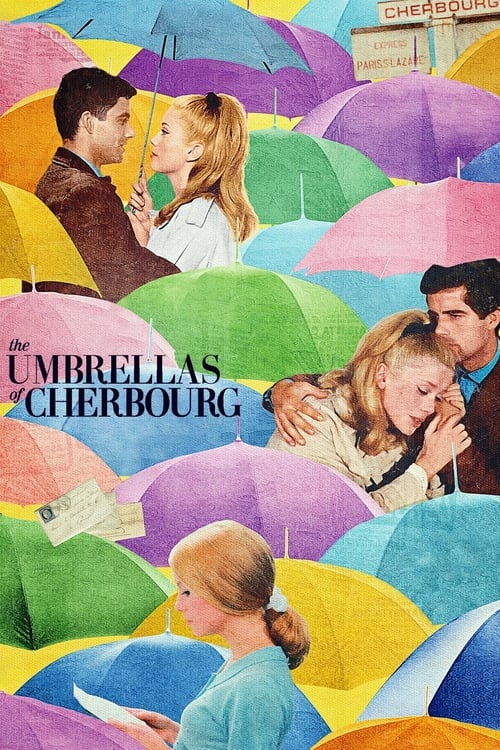
This simple romantic tragedy begins in 1957. Guy Foucher, a 20-year-old French auto mechanic, has fallen in love with 17-year-old Geneviève Emery, an employee in her widowed mother's chic but financially embattled umbrella shop. On the evening before Guy is to leave for a two-year tour of combat in Algeria, he and Geneviève make love. She becomes pregnant and must choose between waiting for Guy's return or accepting an offer of marriage from a wealthy diamond merchant.
1961
1971
1961
1939
1966
1955
1969

1945
No reviews yet. Be the first to share your thoughts on this movie!
Use the rating form above to leave a star rating and optional review.