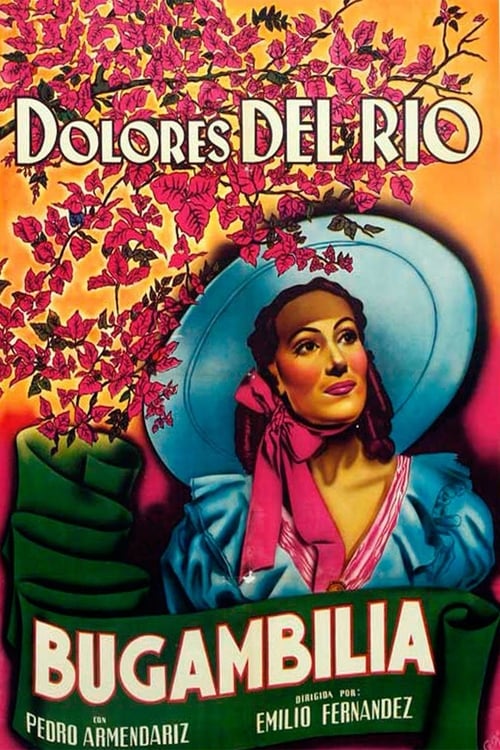
Bugambilia
1945
No user ratings available yet
Representation score: 2.1 out of 10
Representation Score
Limited
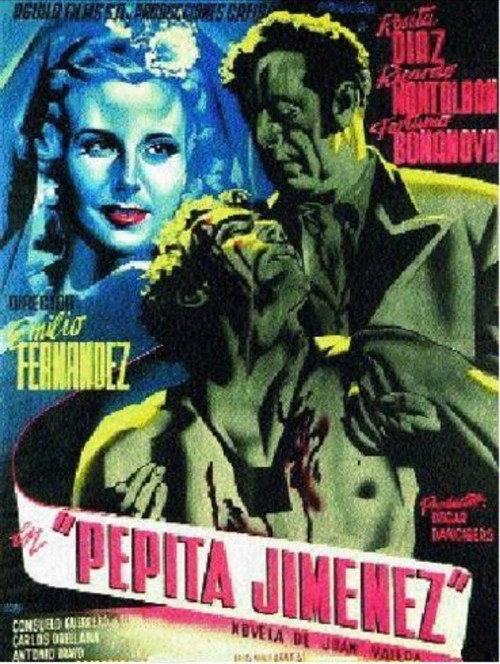
1946
Director
Emilio Fernández
Runtime
84 minutes
Average Rating
No ratings yetNew Showbiz Analysis
Pepita Jiménez stands out as a character study by emphasizing female autonomy within a rigid social framework. By focusing on Pepita's emotional landscape, the film elevates her beyond a mere object of desire, providing a sophisticated look at romantic autonomy. However, the film is constrained by the era's demographic and social norms. It lacks diverse racial or identity-based backgrounds and remains within a homogeneous social structure. While it explores moral complexity, the film adheres to traditional cinematic structures without offering a systemic critique of the institutions it portrays.
Category Breakdown
The film centers on heterosexual relationships and the tension between religious devotion and carnal desire. There are no queer narratives or non-cisgender identities represented.
Pepita Jiménez offers a nuanced portrayal of a woman's ability to drive the story. Her internal emotional landscape and subjective desires are highlighted, challenging the stereotype of the submissive female character.
The production follows the demographic norms of the 1940s. The cast and setting reflect a homogeneous social structure without significant evidence of diverse racial backgrounds.
The story explores the conflict between personal ability to act and traditional institutions like the Church and patriarchal families. It highlights the personal cost of navigating these established social hierarchies.
There is no representation of physical, sensory, or neurodivergent identities within the narrative.
Present on Screen
Limited or Absent
Official Synopsis
On March 22, four days after returning to his home in Andalusia, Luis de Vargas writes the first of his letters to his uncle and favorite professor at the seminary. He reports that his father intends to fatten him up during his vacation, to have him ready to return in the fall to finish his training for the priesthood. He mentions in passing that his father is courting a twenty-year-old, attractive widow, Pepita Jiménez; his father is fifty-five years old. Pepita had been married for only a short time to an eighty-year-old moneylender named Gumersindo. Luis is not eager to see his father marry again, but he promises his uncle not to judge Pepita before he knows her.
1945

1964
1944

1964
1951

1956
1949
1955
No reviews yet. Be the first to share your thoughts on this movie!
Use the rating form above to leave a star rating and optional review.