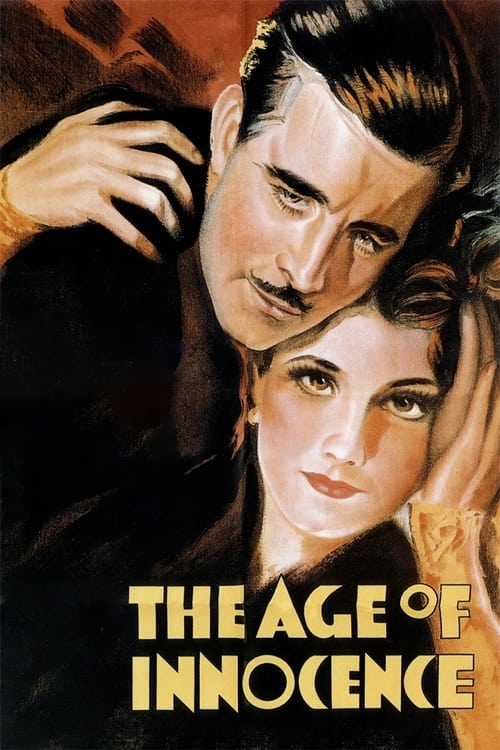
The Age of Innocence
1934
No user ratings available yet
Representation score: 1.1 out of 10
Representation Score
Limited
1949
NRDirector
Compton Bennett
Runtime
113 minutes
Average Rating
No ratings yetNew Showbiz Analysis
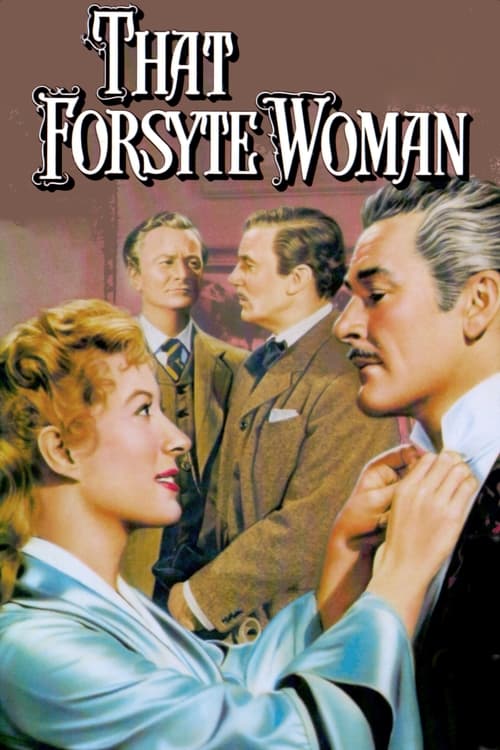
That Forsyte Woman is a period drama focusing on the domestic tensions of the Victorian era. It uses its female characters to challenge the era's possessive views of women, offering a nuanced look at gendered power dynamics. However, the film is limited by its historical context and era-specific production. It lacks any representation of LGBTQ+ identities or racial diversity, presenting a largely homogeneous social landscape that reflects the strict stratification of the time. Ultimately, the film's strength lies in its social critique of materialism rather than its broad representation of diverse identities. It provides a complex look at class and autonomy while remaining tied to the traditional structures of mid-century British cinema.
Category Breakdown
The film does not include any LGBTQ+ characters or non-straight relationships. Romantic conflicts are centered around traditional Victorian marriage and extramarital affairs.
Irene plays a key role in challenging patriarchal control. Women in the film are shown to have strong emotional and psychological independence, rather than being passive.
The cast is uniform, reflecting the historical setting and production standards of 1949. There are no characters from non-Anglo-Saxon backgrounds.
The film questions strict Victorian capitalist values by contrasting property ownership with emotional truth. This introduces moral complexity to the traditional family structure.
There are no visible or invisible disabilities represented in the narrative.
Present on Screen
Limited or Absent
Official Synopsis
Soames and Irene Forsyte have a marriage of convenience. Young Jolyon Forsyte is a black sheep who ran away with the maid after his wife's death. Teenager June Forsyte has found love with an artist, Phillip Bosinny. The interactions between the Forsytes and the people and society around them is the truss for this love story set in the rigid and strict times of the Victorian age.
1934
1935
1948
1971
1947
1969
1967
1964
No reviews yet. Be the first to share your thoughts on this movie!
Use the rating form above to leave a star rating and optional review.