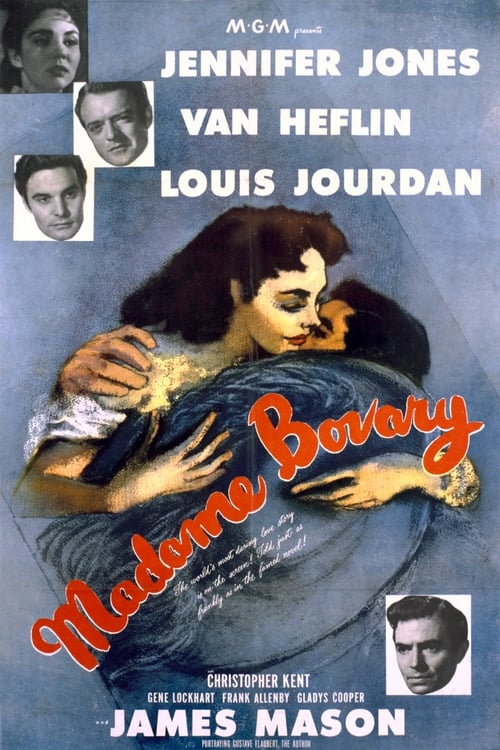
Madame Bovary
1949
No user ratings available yet
Representation score: 2.8 out of 10
Representation Score
Fair
2000
Director
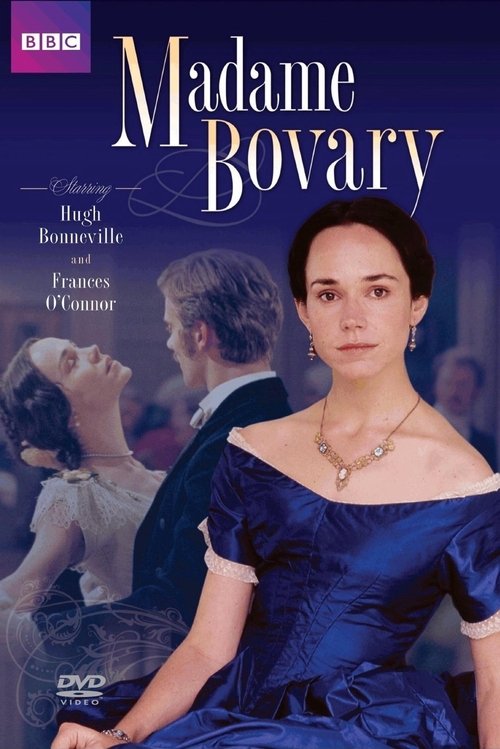
Tim Fywell
Runtime
180 minutes
Average Rating
No ratings yetNew Showbiz Analysis
Tim Fywell’s adaptation centers on the psychological interiority of its characters, prioritizing a faithful literary translation over modern demographic inclusivity. The film highlights Emma’s rejection of traditional domestic roles, challenging gendered expectations. However, the production remains tied to the historical homogeneity of its source material. This results in a lack of racial and LGBTQ+ diversity, as the film prioritizes period-accurate realism over contemporary representation. Ultimately, the work serves as a social critique of consumerism and class, even if it lacks a diverse cast. It emphasizes individual ability to act against social constraints.
Category Breakdown
The film follows a strictly straight-centered structure typical of 19th-century provincial France. No characters with non-traditional gender identities or same-sex relationships are shown.
Emma Bovary actively resists the passive domestic role expected of a provincial wife. Her pursuit of personal desires challenges the traditional expectations placed on women.
The cast is predominantly white and uniform, reflecting the historical setting. There is no indication of intentional racial blending or casting actors from diverse backgrounds.
The story criticizes the superficiality of bourgeois consumerism and the emptiness of material status. It portrays social and moral structures as oppressive forces contributing to alienation.
The narrative does not focus on physical, sensory, or neurodivergent disabilities. Characters operate within standard physiological norms without specific disability-centric storylines.
Present on Screen
Limited or Absent
Official Synopsis
A young woman in her late teens, a reader of novels and with high hopes of romance and passion, marries a widowed country doctor. Although he dotes on her, she is soon bored and discontent. First, she gives her imagination to a law student in town, and next she takes a lover. When he refuses to run away with her, she takes up again with the law clerk. Her spending on dresses and furnishings mounts; these debts and her ill-advised professional counsel to her husband bring his ruin.
1949
1991
1947
1964
2000
1999

1984

1996
No reviews yet. Be the first to share your thoughts on this movie!
Use the rating form above to leave a star rating and optional review.