
Finishing School
1934
No user ratings available yet
Representation score: 1.1 out of 10
Representation Score
Limited
1940
NRDirector
Sam Wood
Runtime
108 minutes
Average Rating
No ratings yetNew Showbiz Analysis
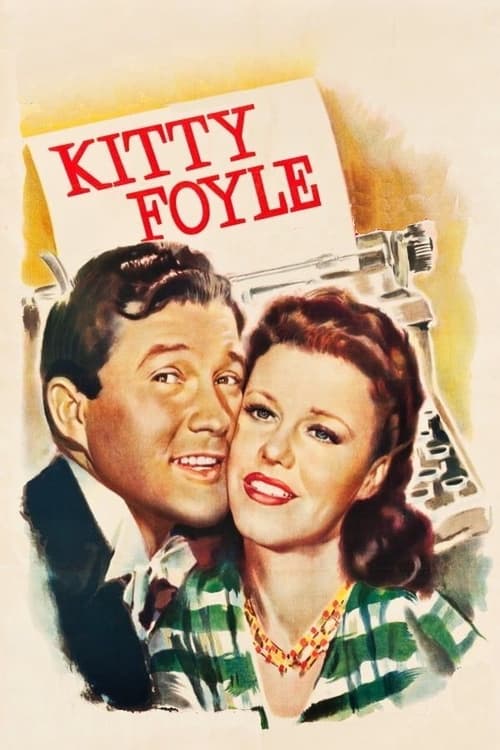
Kitty Foyle stands as a transitional narrative that combines conservative demographic representation with deeper character development. It highlights a working-class woman's independence from societal hierarchies. However, the film remains confined by the era's cinematic norms, particularly in its lack of racial and LGBTQ+ diversity. The social world depicted is predominantly homogeneous. Ultimately, the film's strength lies in its sophisticated exploration of class and gender power dynamics, despite operating within a restrictive social framework.
Category Breakdown
The film adheres to the conventions of the 1940s, focusing on traditional romantic relationships and excluding any depiction of non-binary gender identities or same-sex intimacy. There is no representation of LGBTQ+ individuals or non-assuming gender matches what was assigned at birth identities.
The film features a strong female lead who demonstrates a significant role in driving the story and emotional independence, defying the submissive roles common in contemporary melodramas. However, the resolution still aligns with traditional romantic outcomes.
The film presents a predominantly white cast with little ethnic diversity. The narrative focuses on class distinctions within a single racial context, lacking representation of different ethnicities.
The story contrasts the working-class life of Pittsburgh with the insulated elite, offering a nuanced critique of rigid class-based institutions and social hierarchies.
There are no prominent depictions of physical or neurodivergent disabilities that significantly impact the central plot.
Present on Screen
Limited or Absent
Official Synopsis
A hard-working, white-collar girl falls in love with a young socialite, but meets with his family's disapproval.
1934

1930

1940
1952

1945

1932

1947

1955
No reviews yet. Be the first to share your thoughts on this movie!
Use the rating form above to leave a star rating and optional review.