
Camille
1984
No user ratings available yet
Representation score: 4.2 out of 10

Representation Score
Limited
2000
PGDirector
Terence Davies
Runtime
140 minutes
Average Rating
No ratings yetNew Showbiz Analysis
Terence Davies creates a detailed historical study that focuses on the breakdown of class and gender power structures rather than broad demographic diversity. The film serves as a sophisticated critique of systemic oppression, revealing the destructive impact of social institutions. While the narrative lacks racial and LGBTQ+ diversity, it delves deeply into the psychological and economic pressures of the Gilded Age. Ultimately, the film's strength lies in its ability to challenge the stability of historical social structures through a lens of systemic cruelty.
Category Breakdown
The film strictly follows the social norms of Gilded Age New York, where everyone is assumed to be straight and cisgender. There are no non-traditional gender identities or same-sex relationships portrayed.
Lily Bart's struggle highlights the restrictive gender roles and the commodification of women during the era. The film portrays the female experience as a fight for survival against oppressive societal pressures.
The cast is predominantly white and upper-class, reflecting the society of the time. The film does not include diverse ethnic perspectives or actors from different backgrounds.
The story criticizes the corrupting influence of wealth by portraying it as a destructive force. It challenges class-based hierarchies and the predatory morality of high society.
There is no visible or hidden disability among the main characters or in the social environment.
Present on Screen
Limited or Absent
Official Synopsis
In early 20th century New York City, an impoverished socialite desperately seeks a suitable husband as she gradually finds herself betrayed by her friends and exiled from high society.
1984

1964

1984

1950

1999

1991
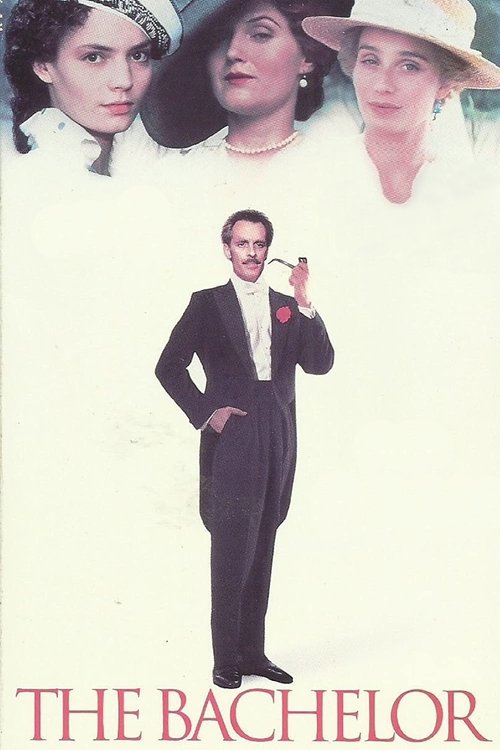
1990

1996
No reviews yet. Be the first to share your thoughts on this movie!
Use the rating form above to leave a star rating and optional review.