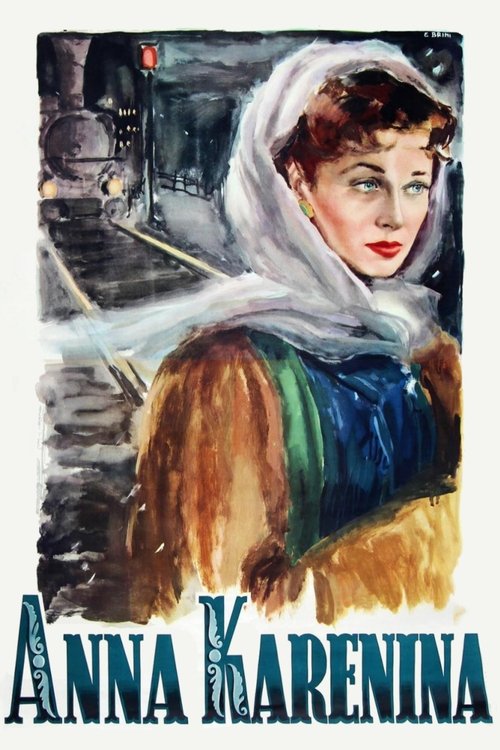
Anna Karenina
1948
No user ratings available yet
Representation score: 1.4 out of 10
Representation Score
Limited
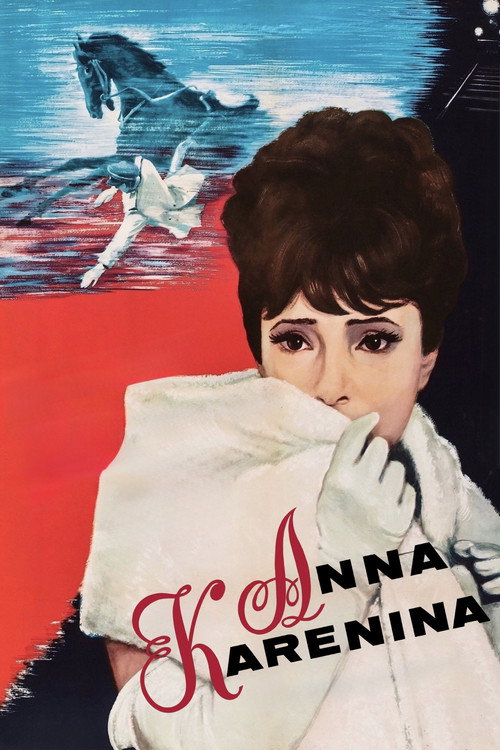
1967
Director
Aleksandr Zarkhi
Average Rating
No ratings yetNew Showbiz Analysis
This adaptation accurately reconstructs the social hierarchies of 19th-century Imperial Russia. It prioritizes historical realism over modern diversity, resulting in a cast that is ethnically homogeneous and lacks LGBTQ+ representation. However, the film excels in its deconstruction of gendered social hierarchies. By centering Anna's struggle against patriarchal expectations, it offers a nuanced look at the systemic hypocrisy of the aristocracy. Ultimately, the production is deeply rooted in its specific cultural and historical context, trading modern social breadth for a deep psychological examination of class and gendered oppression.
Category Breakdown
The film does not feature any LGBTQ+ characters or non-straight relationships. It focuses solely on the heterosexual dynamics of the time period.
The film highlights the gendered double standards within a patriarchal society. It centers on Anna's refusal to conform to submissive roles, examining the systemic consequences of female autonomy.
The cast consists of ethnically homogeneous Russian actors, reflecting the historical reality of the era. It avoids modern casting techniques like race-bending in favor of period accuracy.
The film critiques the moral decay of Westernized high society and explores tensions between institutional religion and individual spiritual truth. It presents the breakdown of family units with psychological depth.
There are no prominent depictions of physical or neurodivergent disabilities within the primary character arcs.
Present on Screen
Limited or Absent
Official Synopsis
In Imperial Russia, Anna, wife of the officer Karenin, goes to Moscow to visit her brother. On the way, she meets charming cavalry officer Vronsky, to whom she's immediately attracted. But in St. Petersburg’s high society, a relationship like this could destroy a woman’s reputation.
1948
1935

1985
1945
1927
1976
1961

1997
No reviews yet. Be the first to share your thoughts on this movie!
Use the rating form above to leave a star rating and optional review.