
Sea Urchins
1929
No user ratings available yet
Representation score: 0.6 out of 10
Representation Score
Limited
1928
Director
Jean Painlevé
Runtime
8 minutes
Average Rating
No ratings yetNew Showbiz Analysis
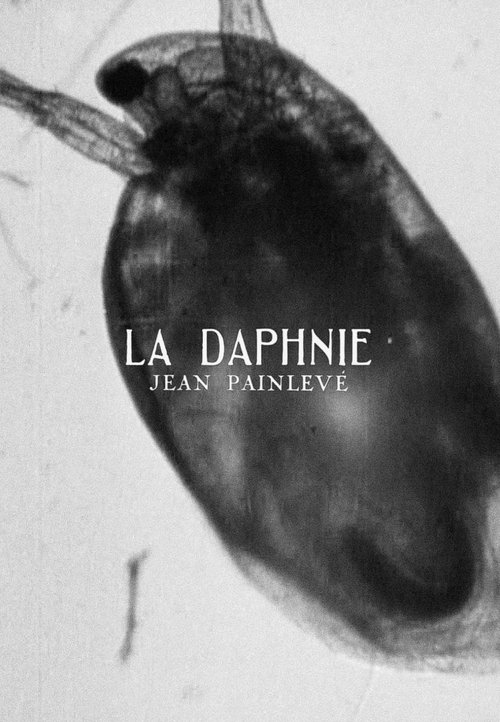
Jean Painlevé’s documentary provides a unique, female-centric biological perspective that challenges traditional narrative hierarchies. By using macro-cinematography to focus on the life cycles of daphnia, the film removes the masculine presence often found in early 20th-century nature films. However, the work's technical and scientific focus limits its capacity for addressing human social issues. Since the subject matter is purely microscopic, it lacks the human social interaction necessary to explore racial, ethnic, or disability-related diversity. Ultimately, the film succeeds as a naturalist study that de-emphasizes traditional metaphysical structures, though it remains a neutral biological observation rather than a social commentary.
Category Breakdown
The film focuses on an all-female ecosystem, which challenges traditional assumptions about reproduction. However, this is a neutral observation of asexual reproduction rather than an exploration of LGBTQ identities.
The film centers entirely on female biological roles, removing the influence of males from the biological cycle.
Since the film is a documentary about microscopic crustaceans, it does not engage with human racial or ethnic constructs.
The film operates within a strictly scientific framework, focusing on physiological functions and ecological survival without religious or cultural interpretations.
The film does not feature human characters or social structures, so there is no basis for evaluating physical or neurodivergent disabilities.
Present on Screen
Limited or Absent
Official Synopsis
Titles in French and English help us know what we're seeing. In all waters, daphnia abound. They are crustaceans about 2 ml long, with one eye that turns in all directions. Antennae enable daphnia to move: in a close up magnified 150,000 times, we see the muscles of the antennae pulse. We see the eye, the nerve mass, blood globules, and the heart, beating several times per second. The intestine forms a long line. All are females; eggs develop above the intestine. New generations come rapidly. Inside each daphnia are tiny infusoria; we watch them clean the intestine of a dead daphnia. An enemy, the hydra, approaches. A daphnia dies, but many remain.
1929

1927
1929

1996
1928
1935

1947

1968
No reviews yet. Be the first to share your thoughts on this movie!
Use the rating form above to leave a star rating and optional review.