Liquid Crystals
1978
No user ratings available yet
Diversity score: 5.5 out of 10
1929
Director
Jean Painlevé
Runtime
10 minutes
Average Rating
No ratings yetSynopsis
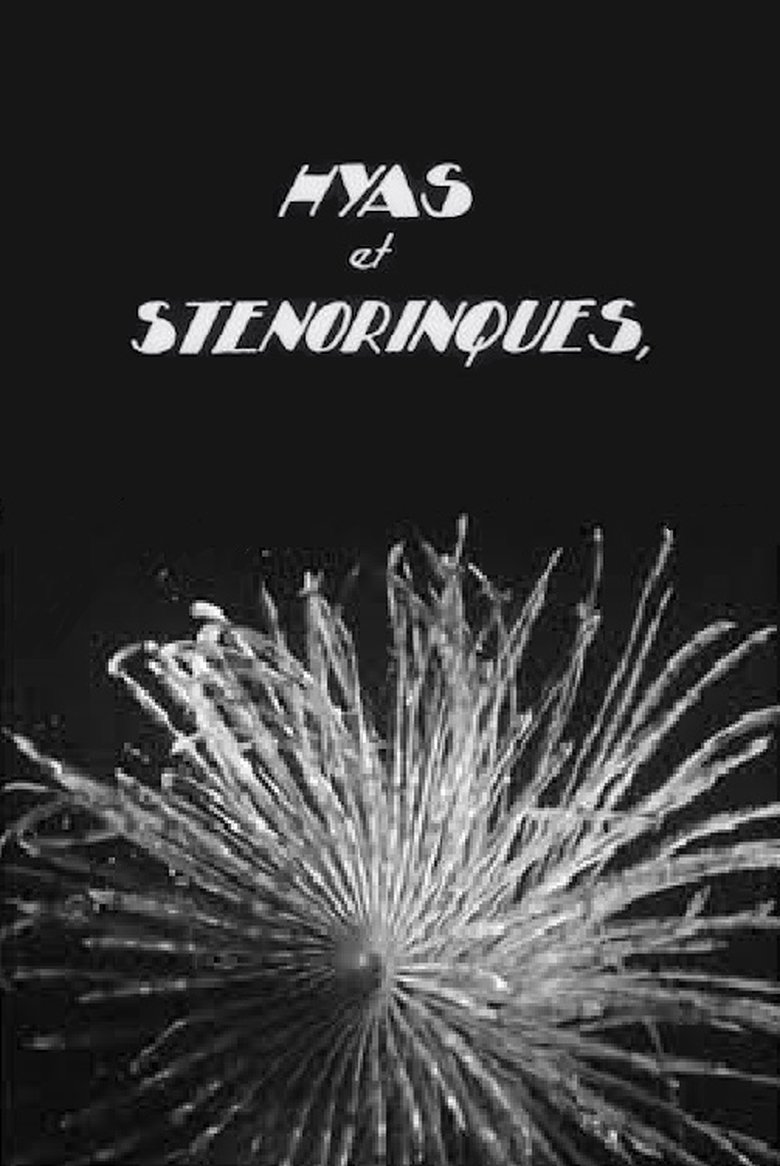
In close-ups and extreme close-ups, we watch two small species of marine crustaceans, the slender long-legged stenorhynchus and the clumsy, short-legged hyas. To blend in, both cover themselves with found objects, such as algae and sponges. We watch them move, eat, greet each other, and fight. They have small mandibles and large claws. Near them are spirograph worms, 6 inches long, with a plume of branchiae that fan out like exploding fireworks. We see vibrating cilia, 0.001 mm long, on the branchiae, sending food toward the mouth at the plume's center. Chopin's music and an off-screen narrator suggest we're watching a ballet.
Overall Score
Fair
Category Breakdown
LGBTQ+ Representation
The film uses a balletic framework to frame biological interactions like greeting and fighting. This replaces heteronormative social structures with biological imperatives, though it lacks explicit identity-specific roles.
Gender Representation
By removing human elements, the film avoids traditional gender hierarchies. The focus on species-specific movements disrupts expectations of masculine or feminine archetypes through a fluid, non-human lens.
Racial & Ethnic Diversity
As a biological documentary, the film does not engage with human racial categories. It functions as a color-blind medium, focusing on the textures of marine life rather than human social norms.
Religious & Cultural Diversity
The film juxtaposes high art, like Chopin, with raw natural reality. This deconstructs the idea that human social or religious frameworks are the primary ways to interpret existence.
Disability Representation
Physical variation is presented through the slender stenorhynchus and the clumsy hyas. These differences are treated as functional biological niches rather than failures or subjects of mockery.
Strengths
Areas for Improvement
AI Analysis
Jean Painlevé’s documentary shifts the cinematic lens away from human social structures toward biological agency. By utilizing extreme close-ups of marine crustaceans, the film bypasses traditional human categories of race, gender, and sexuality. The strength of the work lies in its ability to disrupt anthropocentric hierarchies. It uses high-culture elements like Chopin to frame instinctual survival, creating a unique intersection between art and science. However, the lack of human characters means the film cannot actively subvert or represent specific human identities. It remains a neutral observation of the natural order.
1978
1928
1935
1945

1925
1982
2003
2018
2015

2013
2012
2021
No reviews yet. Be the first to share your thoughts on this movie!
Use the rating form above to leave a star rating and optional review.