Acera, or the Witches' Dance
1972
No user ratings available yet
Representation score: 4.5 out of 10
Representation Score
Fair
1967
Director
Jean Painlevé, Geneviève Hamon
Runtime
14 minutes
Average Rating
No ratings yetNew Showbiz Analysis
Jean Painlevé and Geneviève Hamon offer a fresh take on the natural history genre by exploring fluid biological roles rather than a moralistic hierarchy. They refuse to impose human social norms onto nature, focusing instead on the complex interactions of cephalopods. By emphasizing female dominance and unconventional reproductive behaviors, the film presents a sophisticated, non-human-centric view of life. Despite the lack of human representation, the film’s exploration of reproductive roles and power dynamics provides a progressive perspective on biological hierarchies.
Category Breakdown
The film examines non-traditional reproductive behaviors in cephalopods, challenging typical views of romance and courtship. By highlighting unusual mating mechanics, it questions assumptions about straight relationships and traditional dating rituals.
The film's structure upends traditional gender roles. It shows female octopuses taking active roles as aggressors, reversing the passive female stereotype often found in older media.
As a biological documentary focused on marine cephalopods, there is no human cast or ethnic representation to evaluate.
The film emphasizes a scientific perspective, avoiding moral or religious frameworks. It refrains from applying human moral standards, such as traditional family structures, to the natural world.
The film does not feature human characters or social structures relevant to disability representation.
Present on Screen
Limited or Absent
Official Synopsis
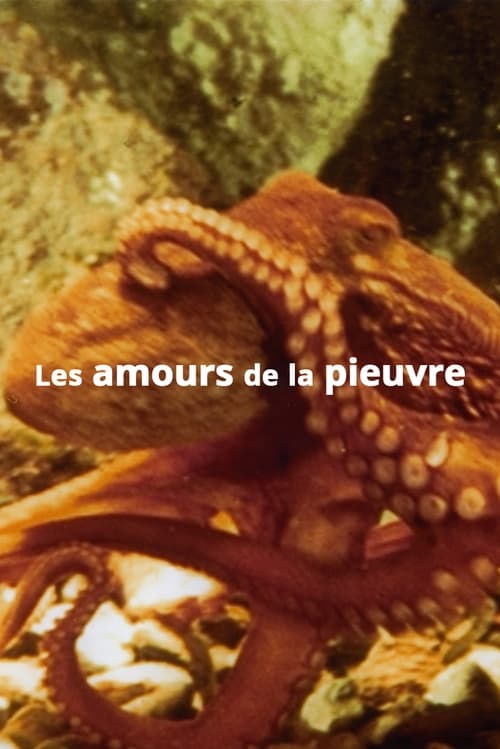
An octopus slithers into a narrow crack near the shore; we see its eye up close. It feeds on a crab. In spring it's time to mate. A male grabs a female; he inserts his third arm in her respiratory cavity. We watch another pair: a larger female is the aggressor here. Mating is repeated over hours and days. The female releases strings of fertilized eggs that hang from the roof of a nest. She guards her spawn for a month, fanning the strings to circulate water for oxygen and cleanliness.
1972
1996
1960
2013
1956

2019
1935
2020
No reviews yet. Be the first to share your thoughts on this movie!
Use the rating form above to leave a star rating and optional review.