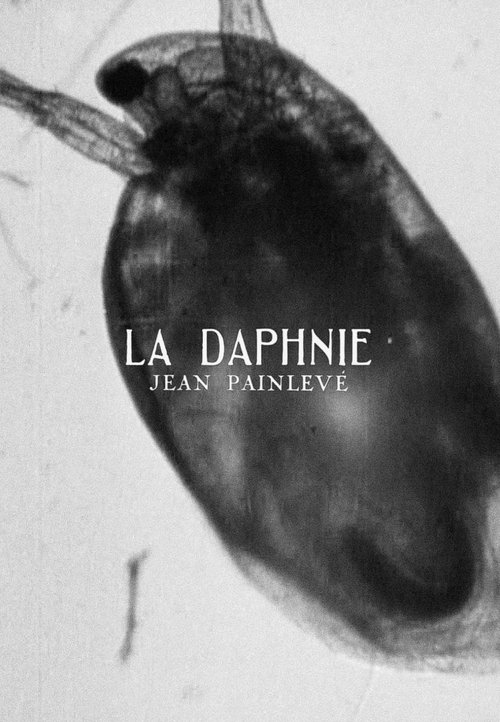
Daphnia
1928
No user ratings available yet
Diversity score: 4.5 out of 10
1935
Director
Jean Painlevé
Runtime
15 minutes
Average Rating
No ratings yetSynopsis
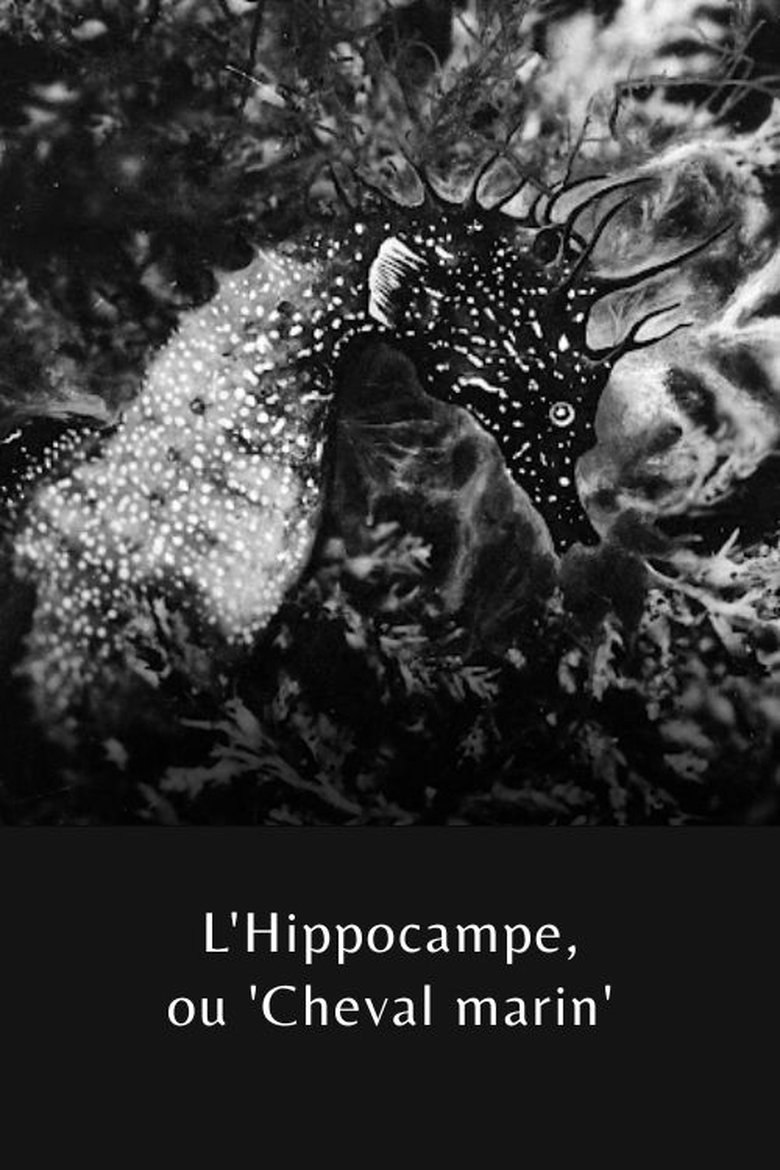
Examines the sea horse, the only fish that swims upright. We watch it use its prehensile tail to wrap around plants and other sea horses. A frontal bulge houses organs including an air ballast. Three fins propel this fish. We see a female place her eggs in a male's pouch where they are fertilized and nurtured until birth in violent contractions. Inside the pouch are nurturing blood vessels. We then follow the growth of an embryo, greatly magnified: we examine its heart beating and its dorsal fin moving. Young sea horses attach themselves to each other. The film ends with images of many sea horses moving on the ocean floor, superimposed on a horse race.
Overall Score
Fair
Category Breakdown
LGBTQ+ Representation
The film disrupts heteronormative reproductive frameworks by centering the male seahorse as the primary nurturer. This subversion of traditional roles challenges binary expectations of reproductive labor.
Gender Representation
The film excels by presenting a biological reality where the male functions as the primary caregiver. This disrupts conventional tropes of the female as the sole vessel of life.
Racial & Ethnic Diversity
As a biological documentary focusing on marine life, the film contains no human cast or ethnic representation.
Religious & Cultural Diversity
The narrative prioritizes biological truth over human-centric moralities. It avoids sentimentalized depictions of family, favoring a mechanical, scientific view of the natural world.
Disability Representation
The film focuses on marine biology and does not feature human characters or depictions of physical disability.
Strengths
Areas for Improvement
AI Analysis
Jean Painlevé’s documentary offers a profound subversion of traditional social hierarchies through the lens of marine biology. By documenting a species where reproductive labor is centered in the male, the film provides a biological counter-narrative to standard patriarchal models. The work moves beyond simple observation to explore the inherent strangeness of nature. It replaces sentimentalized views of life with a raw, mechanical look at survival and biological function. While the film lacks human representation for racial or disability categories, its progressive value lies in its deconstruction of gendered labor and its rejection of human-centric norms.
1928
1929

1925
1982
1967
1972

2000

2019

2014
2023

2012
2023
No reviews yet. Be the first to share your thoughts on this movie!
Use the rating form above to leave a star rating and optional review.