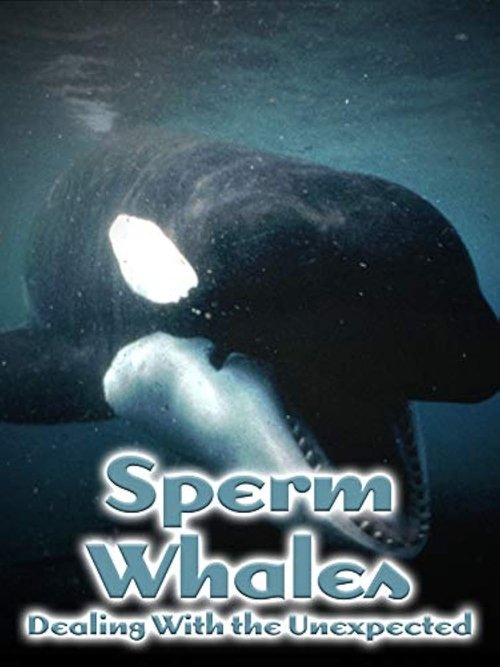
Sperm Whales: Dealing with the Unexpected
2005
No user ratings available yet
Representation score: 0.8 out of 10
Representation Score
Limited
2000
TV-PGDirector
Bertrand Loyer
Runtime
50 minutes
Average Rating
No ratings yetNew Showbiz Analysis
This documentary shifts the narrative focus away from human-centric hierarchies to highlight the biological ability to act of a non-human subject. By following Delphine, a female killer whale, the film offers a unique perspective on survival and social structure within a marine pod. While the film lacks human-centric markers like race or gender identity, it succeeds in de-centering the human observer. It replaces traditional dominion narratives with a study of instinct and environmental struggle. Ultimately, the work functions as a naturalistic study of life, prioritizing the lived experience of the animal over human sociopolitical frameworks.
Category Breakdown
The documentary focuses on the biological development of a female killer whale. It does not include explicit depictions of diverse gender or sexual identities.
The film centers on Delphine, a young female character, giving her a significant role in hunting and survival. This coming-of-age arc avoids traditional patriarchal storytelling clichés.
As a nature documentary set in the Crozet Islands, the film lacks human actors. Traditional measures of racial and ethnic diversity do not apply here.
The film disrupts human-centric perspectives by prioritizing a non-human worldview. It challenges Western dominion narratives by focusing on the subjective experience of the pod.
The film documents the physical trials of a biological entity. There is no indication of neurodivergence or disability being used as a narrative device.
Present on Screen
Limited or Absent
Official Synopsis
During four years of shooting in the icy waters that surround the volcanic archipelago of the Crozet Islands, we have followed the trial and tribulations of Delphine, a young female adolescent killer whale. Living and growing within her family group she gradually learns how to find her bearings, how to hunt king penguins or Minke rorquals and how to get stranded in order to catch sea elephants. Directed by Bertrand Loyer.
2005
2016
2011
2021

2020
2007
2015
2020
No reviews yet. Be the first to share your thoughts on this movie!
Use the rating form above to leave a star rating and optional review.