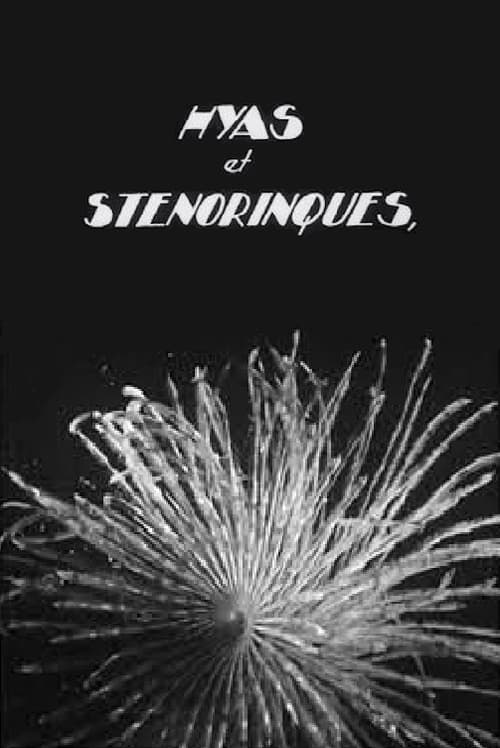
Hyas and Stenorhynchus
1929
No user ratings available yet
Representation score: 7.1 out of 10
Representation Score
Fair
1978
Director
Jean Painlevé
Runtime
6 minutes
Average Rating
No ratings yetNew Showbiz Analysis
Jean Painlevé’s documentary is a formalist experiment that shifts the viewer's attention from human social structures to the abstract beauty of microscopic life. Through the use of a polarizing microscope and electronic music, the film creates a unique sensory experience that diverges from conventional storytelling methods. Since the subject matter is purely microscopic, the film cannot address multi-layered human representation. It does not engage with gender, race, or sexual orientation, which are inherently human-centric concepts. However, the work is progressive in its refusal to use a 'voice of God' narration, deconstructing the typical Western educational style and offering a more secular, subjective way of observing the natural world.
Category Breakdown
Since the film focuses solely on microscopic biological structures, there are no human characters or social interactions to represent sexual orientation.
The absence of human subjects means traditional gender hierarchies are not present. The film avoids human-centric gender roles by focusing on fluid dynamics.
The film's microscopic focus removes any connection to human racial or ethnic hierarchies. It centers on molecular structures instead of human-centric racial issues.
By avoiding authoritative narration, the film emphasizes a sensory experience. The use of electronic music and non-human elements prioritize a subjective exploration of nature.
The film does not depict any human characters, so there is no opportunity to represent physical or neurodivergent conditions.
Present on Screen
Limited or Absent
Official Synopsis
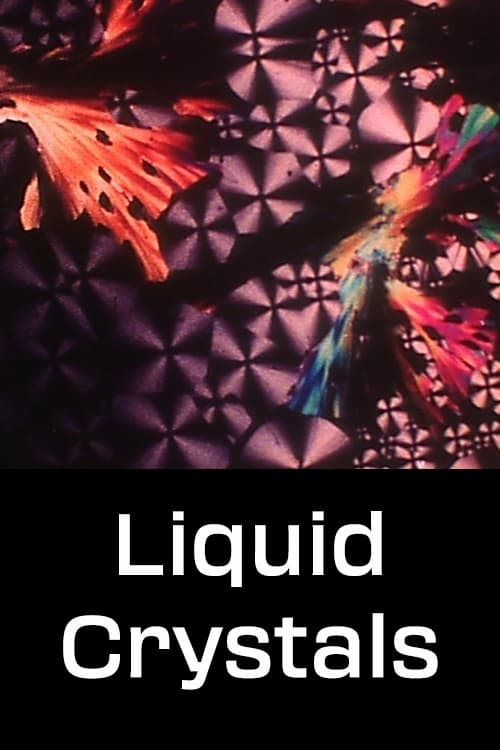
Title cards introduce images we watch without narration; they are displays of shape and color. François de Roubaix's electronic music accompanies these images, photographed under a polarizing microscope. The crystals appear to move like tiny organisms: small four-part fans share the frame with flowing lines of pink. Multiple patterns appear side by side.
1929
1929
1954
1996

1968
1983
1929
2011
No reviews yet. Be the first to share your thoughts on this movie!
Use the rating form above to leave a star rating and optional review.