The Love Life of an Octopus
1967
No user ratings available yet
Diversity score: 6.3 out of 10
1972
Director
Jean Painlevé, Geneviève Hamon
Runtime
13 minutes
Average Rating
No ratings yetSynopsis
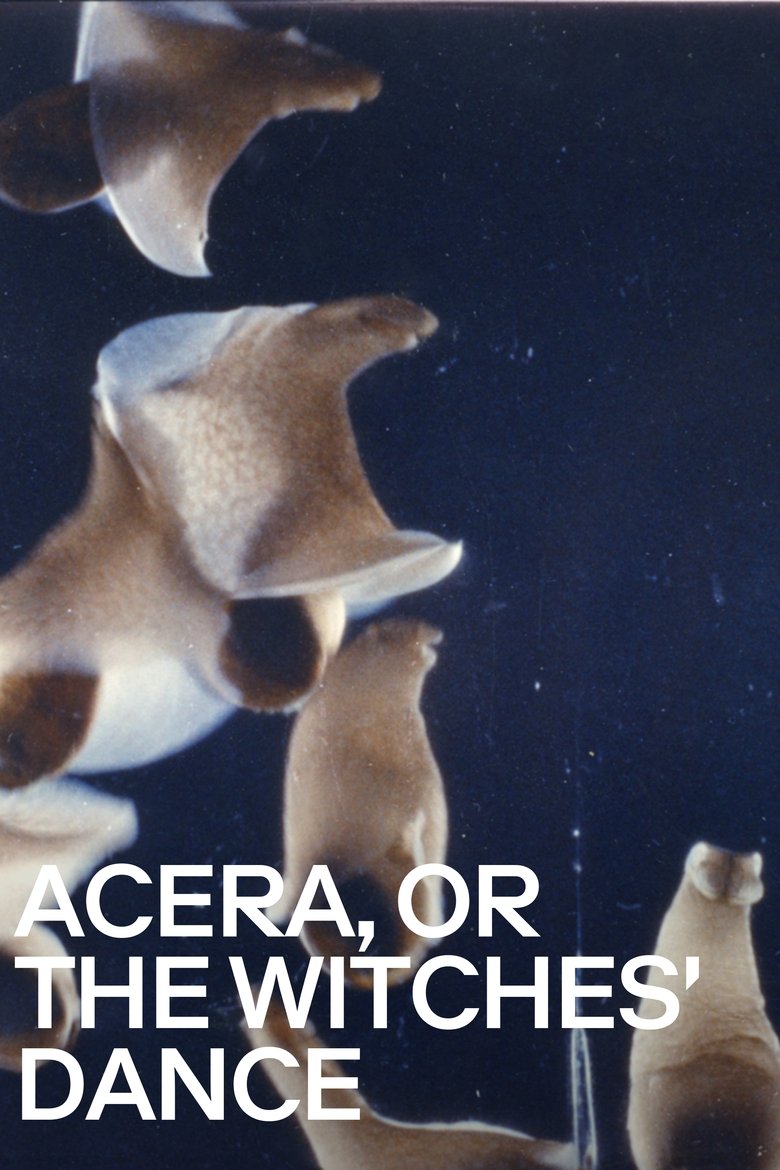
In mud flats along the coast of Brittany we watch acera, small ball-shaped mollusks that are about two inches in diameter. They rest in mud; then, in water, they dance, their skirt-like hood spreading like a dervish's cassock. They spin and spin. The film adds musical accompaniment. We watch them mate and secrete eggs: acera are both male and female, and can form chains with other acera in which they simultaneously mate as a male and as a female. The eggs hatch, and the cycle begins again.
Overall Score
Good
Category Breakdown
LGBTQ+ Representation
The film centers on hermaphroditic mollusks that function as both male and female. This biological reality disrupts heteronormative frameworks by showcasing non-binary roles. The communal mating chains serve as a naturalistic metaphor for gender fluidity.
Gender Representation
The documentary subverts traditional hierarchies by presenting integrated biological roles. Masculinity and femininity are not mutually exclusive here. This provides a model of biological egalitarianism that avoids anthropocentric power dynamics.
Racial & Ethnic Diversity
As a biological documentary focused on marine mollusks, there is no human cast or ethnic representation to evaluate.
Religious & Cultural Diversity
The film prioritizes scientific observation over religious interpretations of nature. The title's reference to 'witches' suggests a departure from institutional naming in favor of mythic frameworks. It aligns with secularist perspectives.
Disability Representation
The film does not feature human characters, making an assessment of disability representation impossible.
Strengths
Areas for Improvement
AI Analysis
Jean Painlevé’s documentary offers a unique perspective on biological fluidity. By focusing on the *Acera* mollusk, the film moves away from rigid reproductive binaries. It presents a world where identity and roles are integrated rather than fixed. The work succeeds in using natural phenomena to challenge traditional social constructs. The communal mating process provides a sophisticated look at existence outside of hierarchical structures. It replaces traditional gendered power dynamics with a model of biological equality. While the subject matter is non-human, the narrative architecture provides a profound disruption of conventional biological narratives. The film explores complexity through a lens of naturalistic, communal existence.
1967
1956
1954
1964
2007

2023

2017

2008
1970
1935
2019

2019
No reviews yet. Be the first to share your thoughts on this movie!
Use the rating form above to leave a star rating and optional review.