Pigeons in the Square
1982
No user ratings available yet
Diversity score: 1.0 out of 10
1945
Director
Jean Painlevé
Runtime
9 minutes
Average Rating
No ratings yetSynopsis
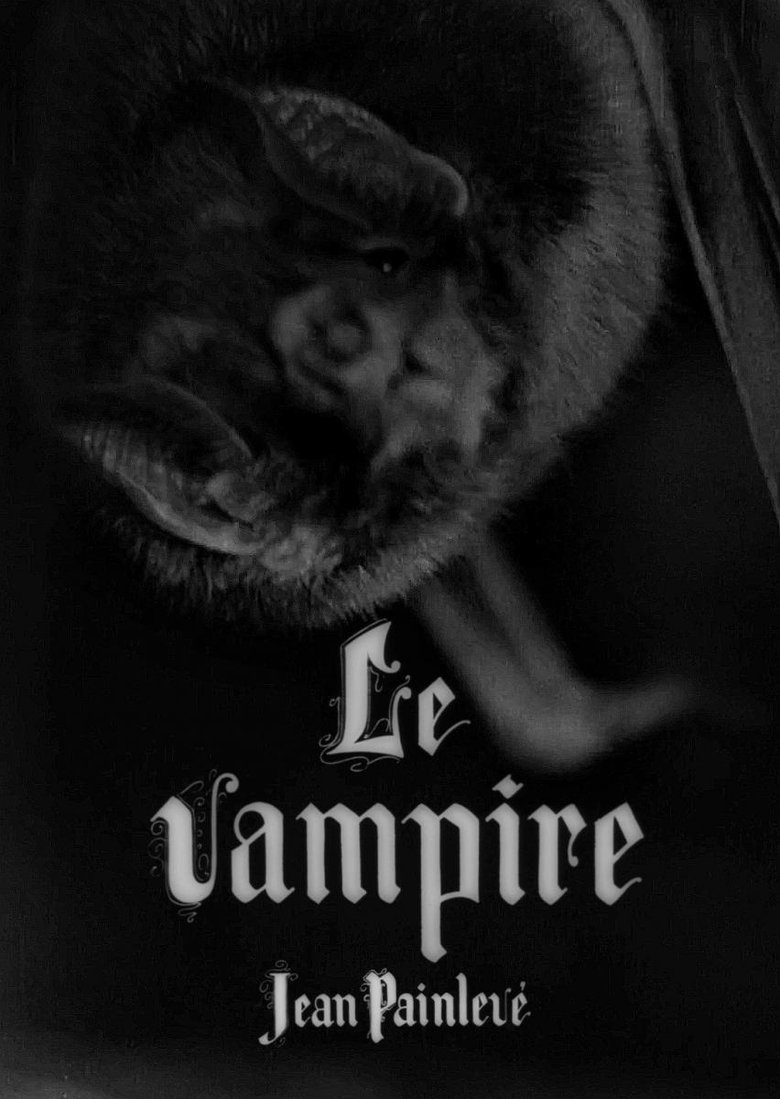
After a look at some strange creatures, the narrator and camera take us to the Chaco forest, on the borders of Paraguay, Argentina, and Brazil, where a vampire bat lives, desmodus rotondus, attacking wildlife and domesticated creatures, killing small ones by draining all their blood and killing large ones by leaving a parasite in their bloodstream. Four inches long, with a 12-inch wingspread, we see it walk, approach a victim, pull out a patch of fur large enough for it to engage its teeth, then lap six or seven ounces of blood. Its saliva may be an anesthetic keeping its victims from waking. A stub nose and harelip contribute to its efficiency and its hideous look.
Overall Score
Minimal
Category Breakdown
LGBTQ+ Representation
The film focuses on marine invertebrates and biological specimens. It does not feature human characters or social identities, meaning there is no depiction of same-sex intimacy or non-cisnormative gender identities.
Gender Representation
The work is devoid of human gender dynamics, focusing instead on biological sex and reproductive mechanics. It avoids reinforcing traditional human patriarchal structures by centering on biological fluidity.
Racial & Ethnic Diversity
As a nature documentary centered on microscopic life, the film lacks a human cast. Consequently, there is no representation of racial or ethnic diversity or the application of racial tropes.
Religious & Cultural Diversity
The film operates outside human cultural frameworks, prioritizing biological observation over religious or nationalist narratives. It avoids promoting singular moralities but lacks the intent to critique specific human institutions.
Disability Representation
The film does not feature human characters. While it observes physical irregularities like a bat's harelip, these are presented as biological adaptations rather than social disability representation.
Strengths
Areas for Improvement
AI Analysis
Jean Painlevé’s documentary functions as a biological study rather than a social narrative. By utilizing a microscopic lens to observe the predatory behaviors of the vampire bat and other organisms, the film prioritizes a poetic gaze over didactic instruction. Because the subject matter is strictly non-human, the film lacks the framework to engage with identity politics, social agency, or intersectional representation. It explores the raw mechanics of nature, such as the anesthetic saliva of the *Desmodus rotundus*, rather than human social structures. The low diversity score is a direct result of the genre. The film's value lies in its scientific and surreal observation of life cycles rather than its engagement with human cultural or social diversity.
1982

1925
1930
1928
1935
1929
2012

1910

2017

2012

2022
2016
No reviews yet. Be the first to share your thoughts on this movie!
Use the rating form above to leave a star rating and optional review.