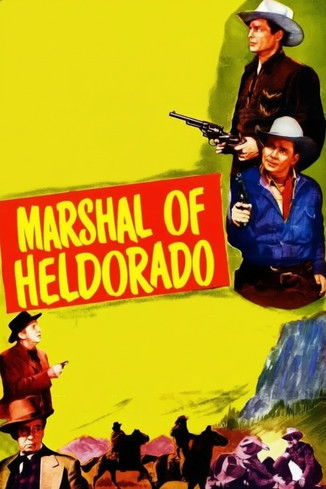
Marshal of Heldorado
1950
No user ratings available yet
Representation score: 1.3 out of 10
Representation Score
Minimal
1947
ApprovedDirector
Thomas Carr
Runtime
53 minutes
Average Rating
No ratings yetNew Showbiz Analysis
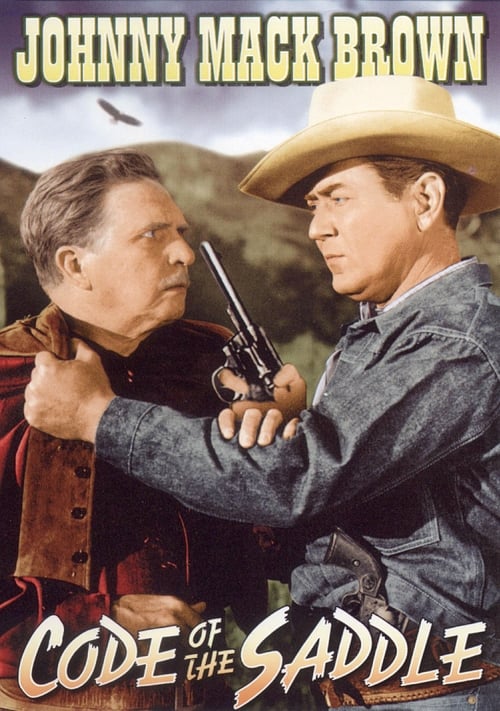
Code of the Saddle is a quintessential B-Western that prioritizes genre convention over social complexity. It functions as a polished example of the musical Western, yet it remains a period-specific artifact that reinforces the established social hierarchies of 1947. The film relies on traditional clichés, centering the narrative on a singular male hero and a monolithic cultural landscape. This approach upholds the status quo rather than exploring multiple aspects of identity or challenging familiar patterns. Ultimately, the production serves to reinforce the foundational myths of the American West through a lens of physical ruggedness and traditionalist storytelling.
Category Breakdown
The film contains no discernible LGBTQ+ characters or expressions that go beyond the assumption that everyone is straight or cisgender. It adheres strictly to the conventions of the 1940s that assume everyone is straight.
The narrative focuses almost exclusively on the male protagonist, Rex Allen. Female characters appear primarily in supportive or reactive roles, functioning as romantic interests rather than independent agents.
The cast is overwhelmingly homogeneous, lacking significant representation of non-white characters in positions of ability to act. The narrative presents a culturally monolithic environment centered on white identities.
The story promotes traditional Western values like law and land ownership. It functions as a celebration of foundational American West myths without offering any systemic critique.
There are no notable depictions of visible or invisible disabilities. Characters are defined by physical vitality and ruggedness, leaving no room for diverse perspectives.
Present on Screen
Limited or Absent
Official Synopsis
Smokin' guns, swingin' fists, and a lovable side-kick can be found in this western.
1950
1939
1948

1944
1940

1945
1934
1951
No reviews yet. Be the first to share your thoughts on this movie!
Use the rating form above to leave a star rating and optional review.