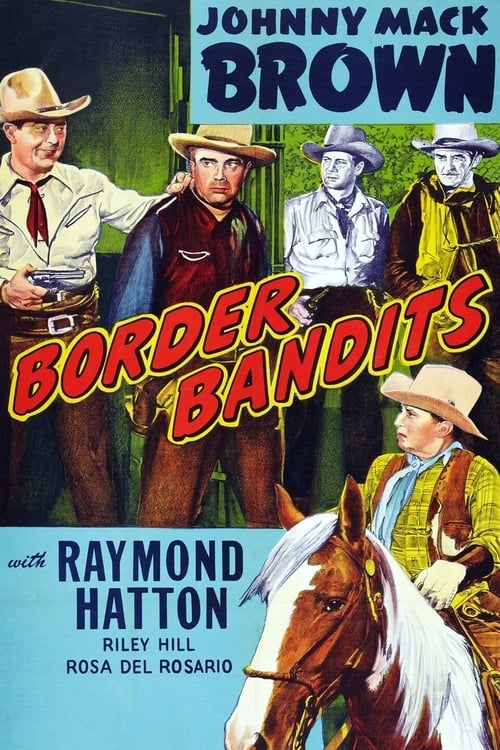
Border Bandits
1946
No user ratings available yet
Representation score: 0.6 out of 10
Representation Score
Minimal
1946
ApprovedDirector
Lambert Hillyer
Runtime
57 minutes
Average Rating
No ratings yetNew Showbiz Analysis
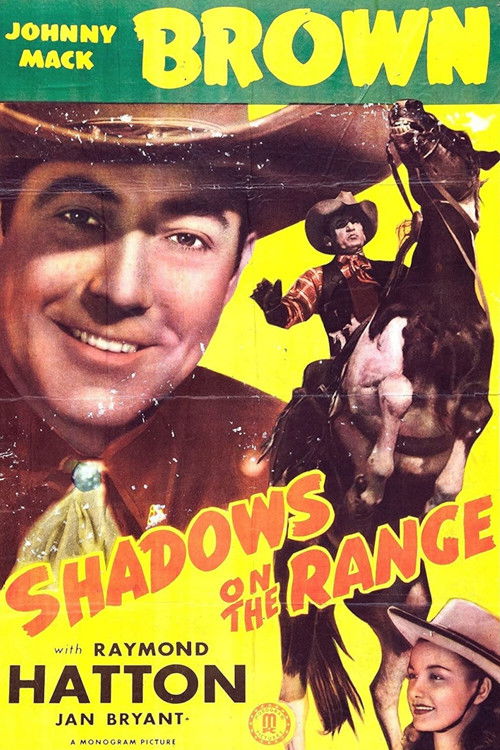
Shadows on the Range serves as a quintessential mid-century B-Western, functioning primarily as a vehicle for Johnny Mack Brown's physical prowess. The film adheres to the rigid genre clichés of the 1940s, prioritizing action and clear-cut moral binaries over narrative complexity. Because the production focuses on satisfying contemporary audience expectations for heroism, it lacks any intentional disruption of traditional hierarchies. The social landscape remains a monolith of traditional masculine archetypes and white-dominated spaces. Ultimately, the film acts as a period-specific artifact that reinforces the socio-cultural status quo of the post-war American West rather than exploring multiple aspects of identity.
Category Breakdown
The film operates within a strictly straight-centered framework. There are no non-cisgender gender identities or queer narratives present in this social landscape.
Control over the story is concentrated almost exclusively in the male protagonist. Female characters occupy secondary, supportive roles that do not challenge the prevailing patriarchal structure.
The cast is predominantly white, reflecting the demographic homogeneity of 1940s B-Westerns. The film lacks significant racial blending or non-Anglo-Saxon perspectives.
The narrative promotes traditional values of individual justice and frontier law. It lacks any critique of Western institutions or established social orders.
There is no discernible presence of characters with visible or invisible disabilities. The film focuses on the physical vitality of its lead actor.
Present on Screen
Limited or Absent
Official Synopsis
Johnny Mack Brown stars in the formula oater Shadows on the Range. The film was made at a time when Monogram was experimenting with the notion of passing Brown off as a singing cowboy. While his voice is dubbed, he's definitely handling all the action sequences himself, and that's what the fans really wanted.
1946
1939
1948
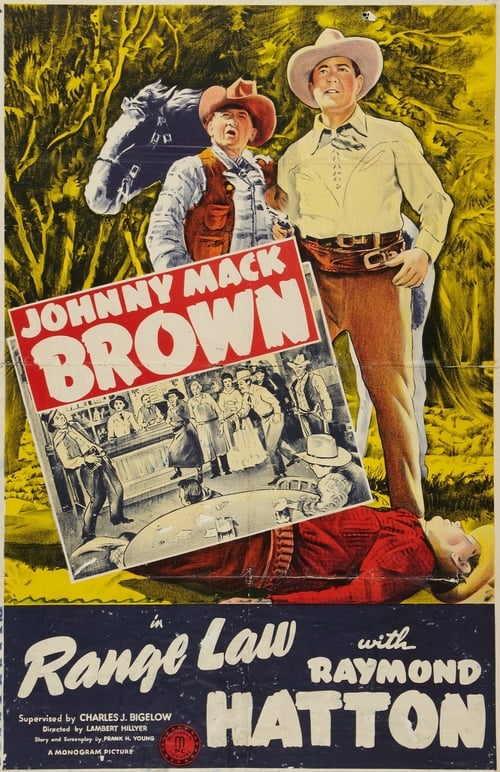
1944
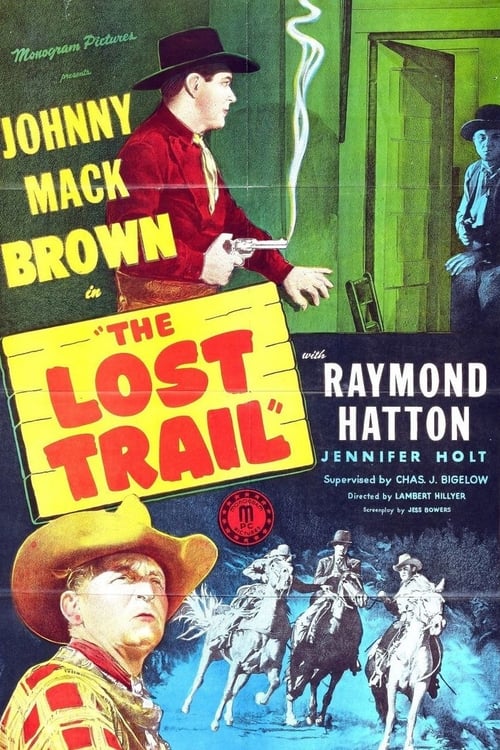
1945
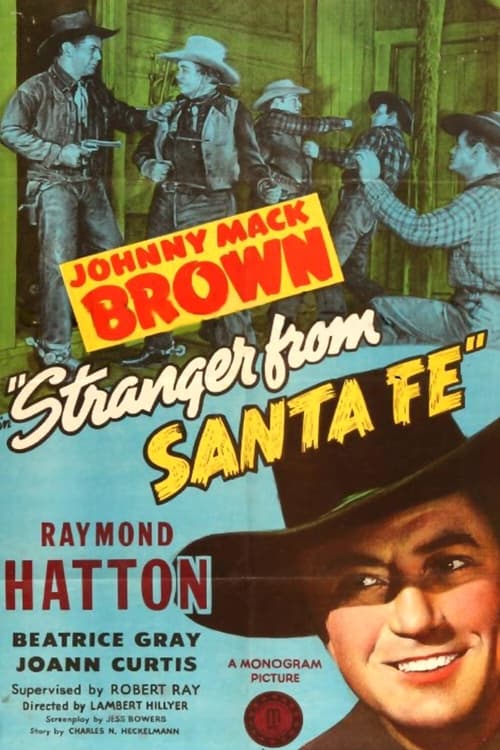
1945
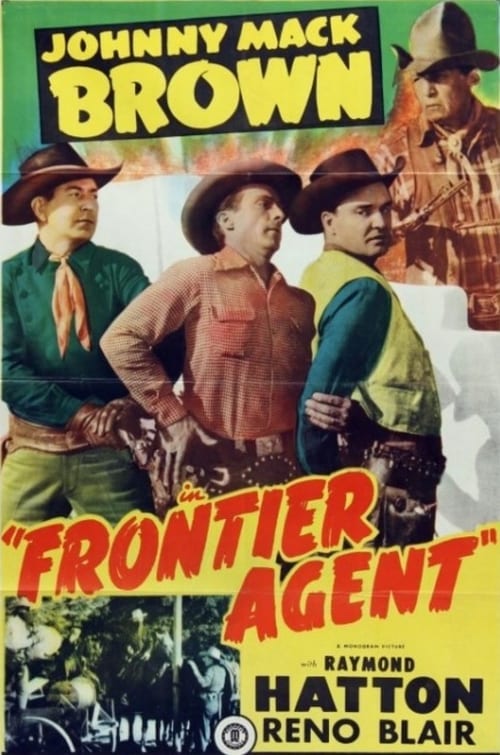
1948
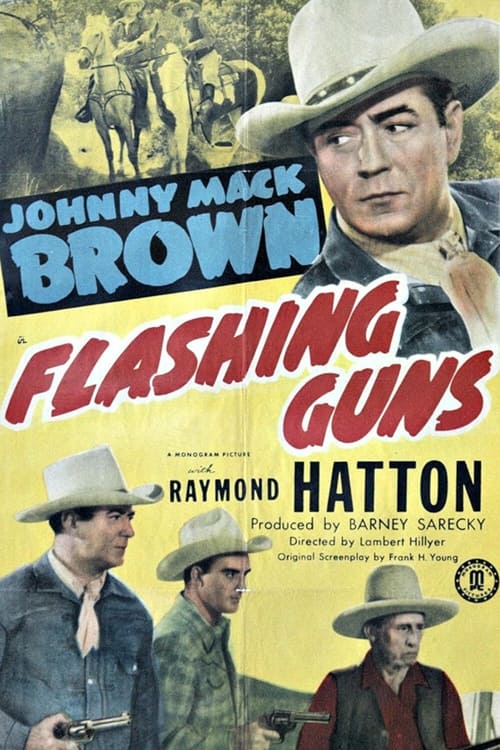
1947
No reviews yet. Be the first to share your thoughts on this movie!
Use the rating form above to leave a star rating and optional review.