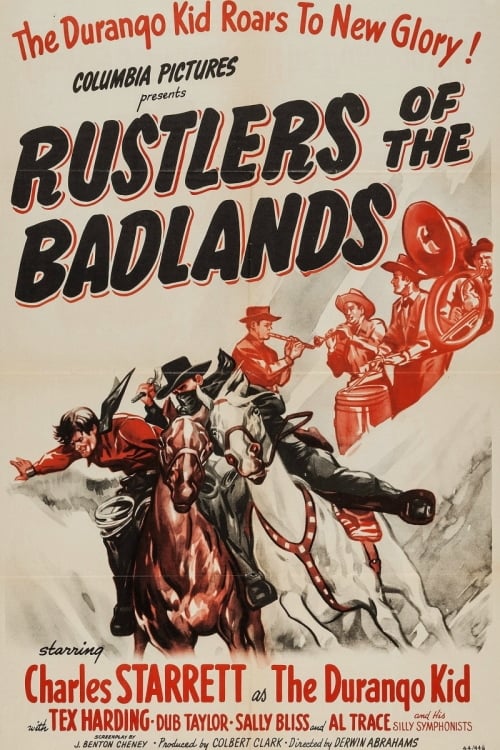
Rustlers of the Badlands
1945
No user ratings available yet
Diversity score: 1.3 out of 10
1947
PassedDirector
Derwin Abrahams
Runtime
58 minutes
Average Rating
No ratings yetSynopsis
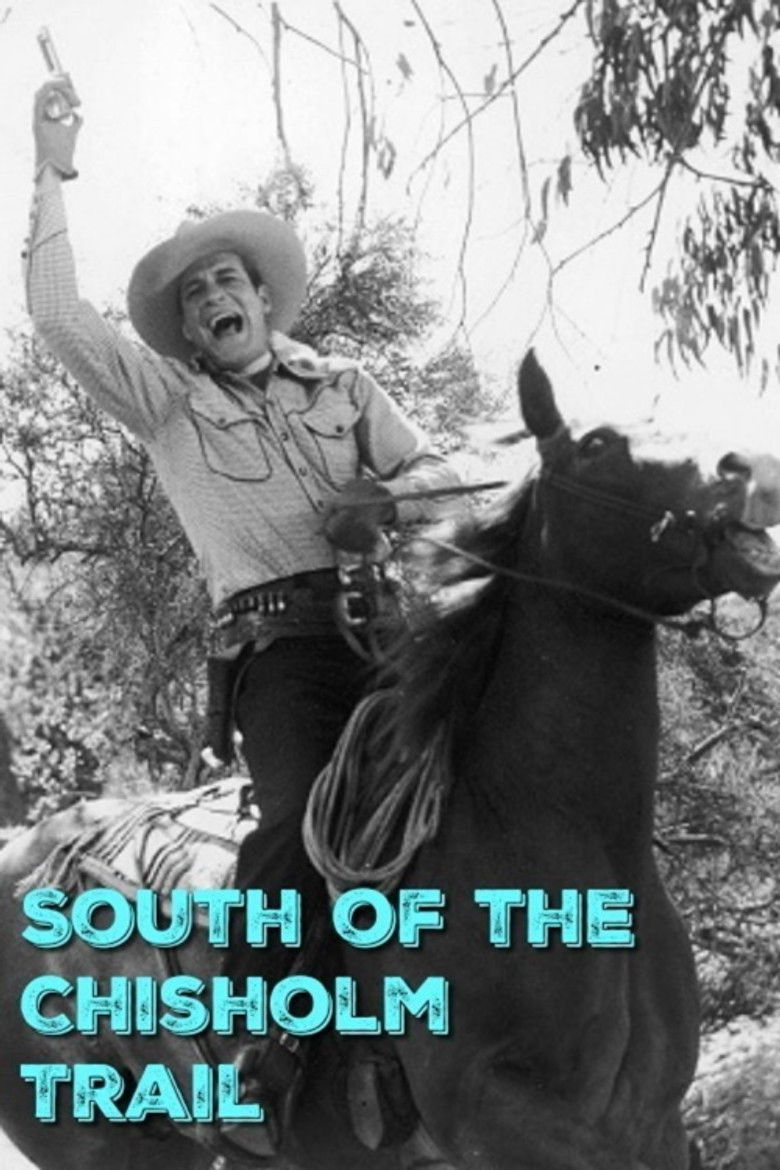
When the ranchers of Bearcat are plagued by rustlers, Big Jim Grady offers to buy their herds from them at low-ball prices. Steve Haley suggests to the ranchers that they band together and drive their herds to Abilene, Kansas and get full price. Steve's friend Smiley "joins" the rustlers to learn who their leader is. Grady henchman Doc Walker asks Steve to help break up the cattle drive, and he agrees in order to keep tabs on the rustlers. The gang makes several attempts to take the trail herd but Steve, in his guise as the Durango Kid, intervenes and saves the cattle.
Overall Score
Limited
Category Breakdown
LGBTQ+ Representation
The film lacks LGBTQ+ characters or narratives that challenge heteronormativity. The plot focuses entirely on masculine-coded heroics and ranching conflicts.
Gender Representation
Narrative agency is centered on male figures like Steve Haley and Big Jim Grady. There is no mention of female characters in positions of influence.
Racial & Ethnic Diversity
The story focuses on Anglo-centric ranching dynamics involving the Chisholm Trail. It lacks non-white protagonists or any subversion of racial hierarchies.
Religious & Cultural Diversity
The film reinforces traditional Western institutions like property rights and frontier justice. It supports the restoration of conventional social order.
Disability Representation
There is no evidence of characters with visible or invisible disabilities. The narrative does not address disability representation.
Strengths
Areas for Improvement
AI Analysis
South of the Chisholm Trail is a conventional 1940s B-Western that adheres strictly to the genre tropes of its era. The story revolves around cattle drives, rustlers, and masculine heroics, offering little room for diverse perspectives. The film functions as a standard representation of the mid-century Western archetype. It prioritizes traditional ranching conflicts and the restoration of social order through male-driven action, reflecting the era's homogeneous narrative structures. Ultimately, the production lacks intentional efforts to disrupt social hierarchies or incorporate intersectional identities, remaining firmly within the established boundaries of the period's cinematic norms.
1945
1947
1945
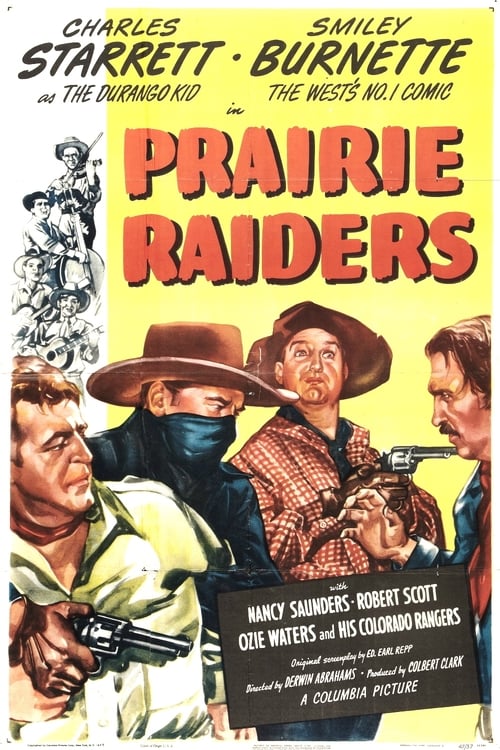
1947
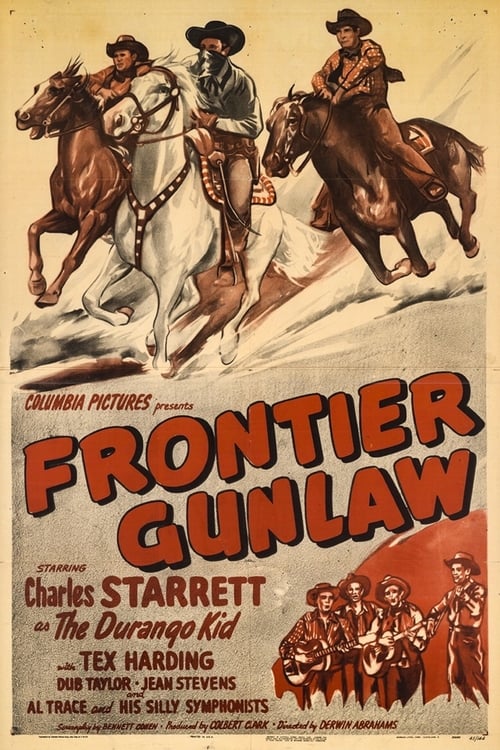
1946
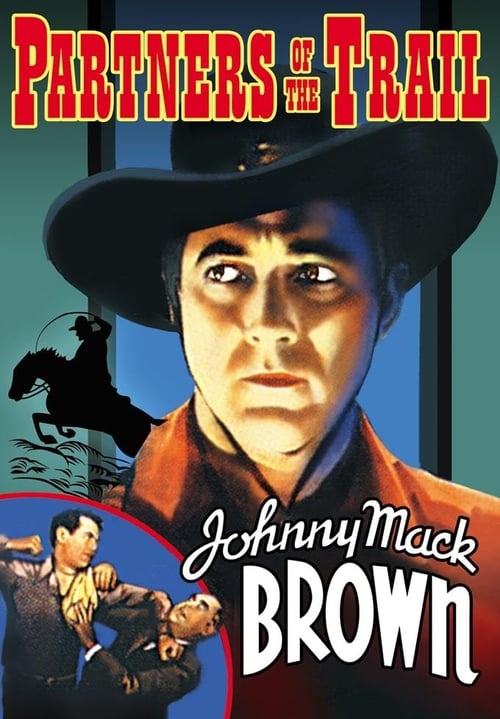
1944
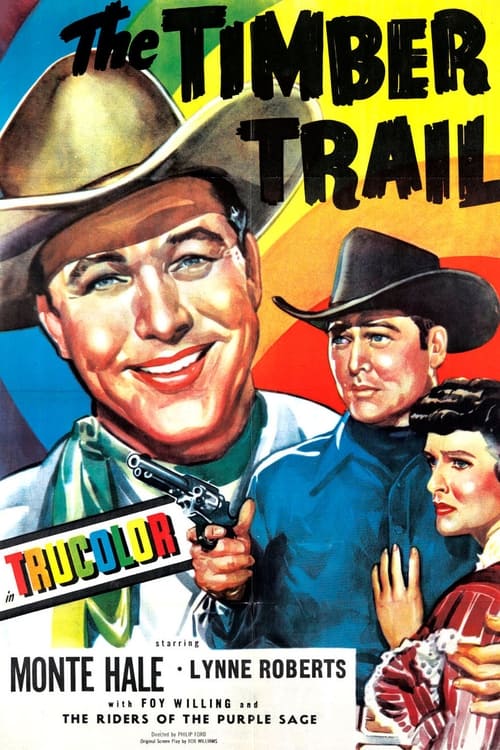
1948
1950
1948
1942
1949
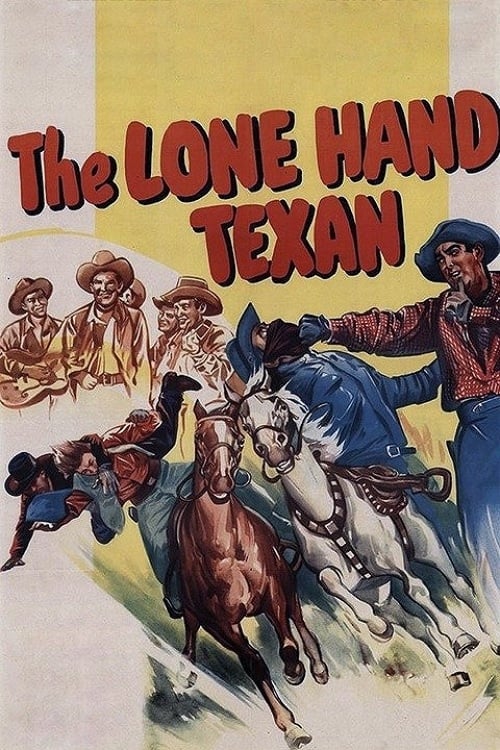
1947
No reviews yet. Be the first to share your thoughts on this movie!
Use the rating form above to leave a star rating and optional review.