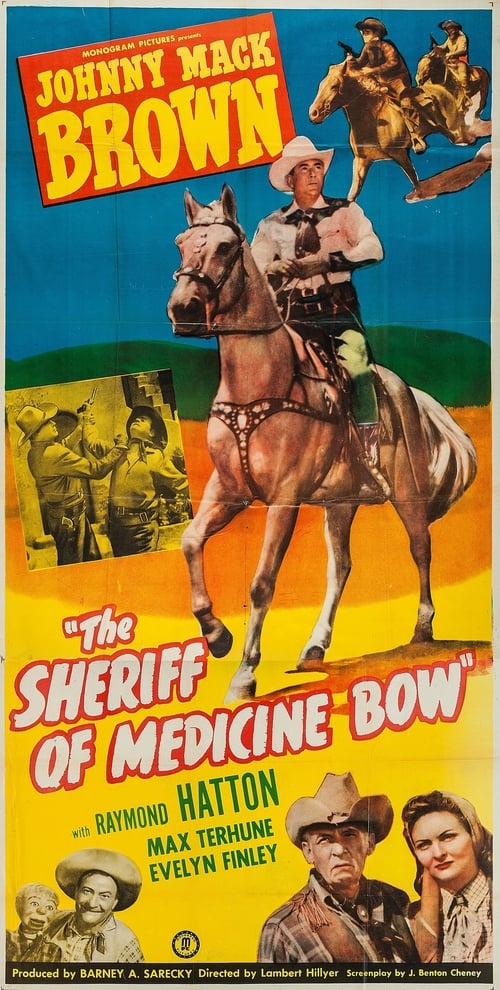
The Sheriff of Medicine Bow
1948
No user ratings available yet
Representation score: 0.6 out of 10

Representation Score
Minimal
1938
PGDirector
George Sherman
Runtime
55 minutes
Average Rating
No ratings yetNew Showbiz Analysis
Pals of the Saddle serves as a foundational text for the traditional Western, emphasizing mid-century themes of frontier justice and rural stability. The narrative structure validates the social hierarchies of its time by reinforcing clear-cut moral binaries and a predominantly white, male-driven cast. Ultimately, the film reinforces pro-settler narratives without offering systemic critique. It upholds the values of 1930s cinema regarding gender, race, and social structure.
Category Breakdown
The film does not include any visible LGBTQ+ characters or explore non-straight identities. It follows a strictly straight-centered storyline typical of 1930s B-Westerns.
Male protagonists drive the plot through physical action, while female characters play supporting or domestic roles, often serving as motivations for the men.
The cast is mostly made up of Anglo-Saxon settlers, with a notable lack of characters of color who have significant roles in the story.
The story upholds traditional Western values such as private property and the family unit. It presents frontier justice as a necessary means to protect established social orders.
The film does not prominently depict physical or neurodivergent disabilities. Characters are portrayed as physically strong and capable, fitting the action-oriented genre.
Present on Screen
Limited or Absent
Official Synopsis
The first of eight "Three Mesquiteers" Westerns to star John Wayne.
1948
1939
1940

1938
1939
1928
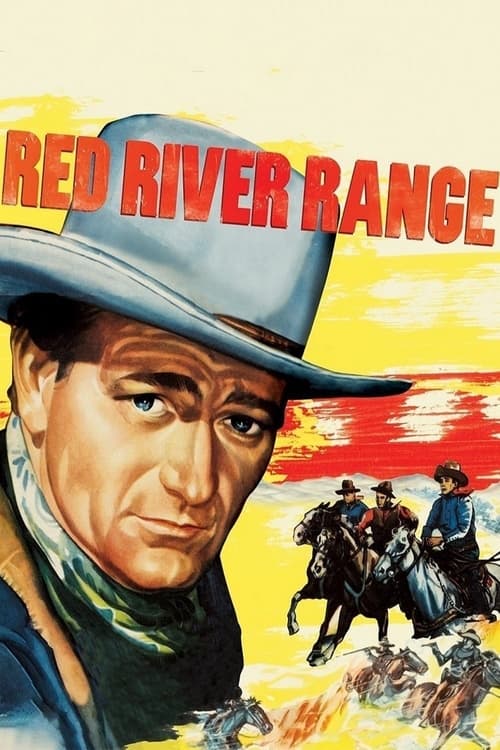
1938
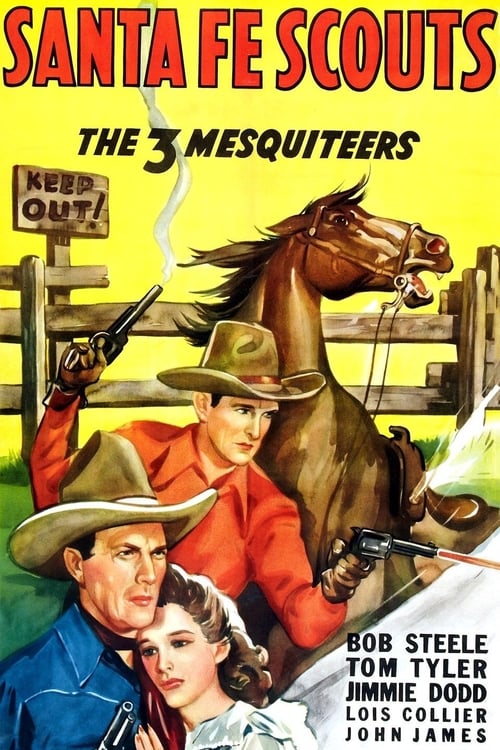
1943
No reviews yet. Be the first to share your thoughts on this movie!
Use the rating form above to leave a star rating and optional review.