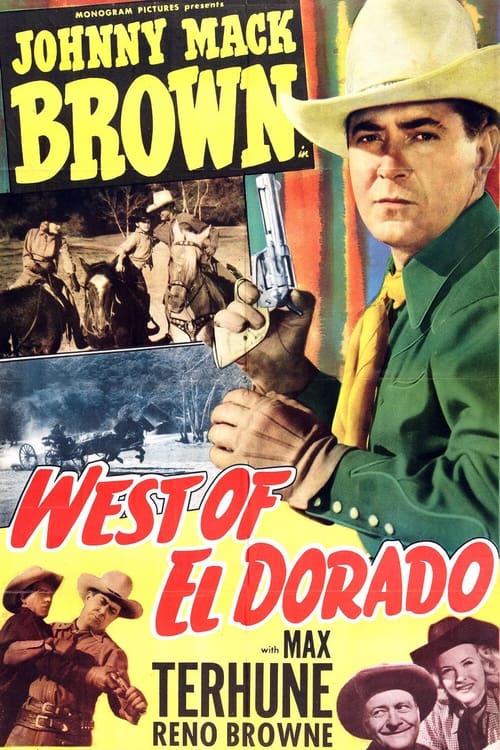
West of El Dorado
1949
No user ratings available yet
Representation score: 1.4 out of 10
Representation Score
Minimal
1949
ApprovedDirector
Ray Taylor
Runtime
65 minutes
Average Rating
No ratings yetNew Showbiz Analysis
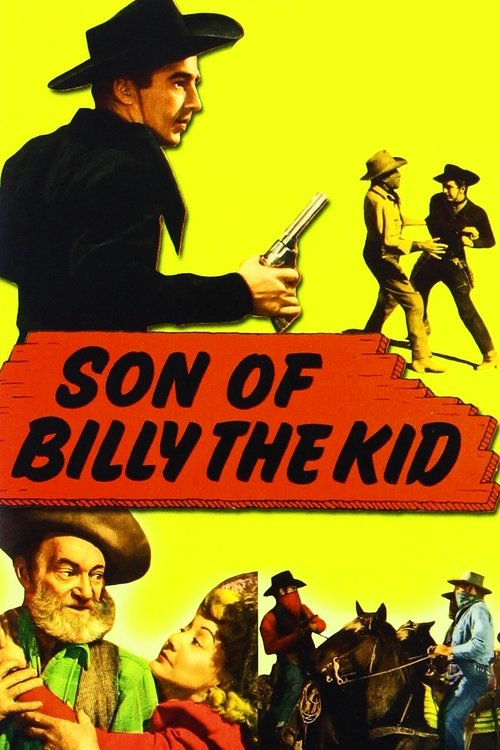
Son of Billy the Kid is a traditional mid-century Western that follows the genre conventions of its time. The narrative centers on masculine heroism and the protection of property through established law and order. The film does not explore diverse identities or challenge traditional social structures. It reinforces mid-century archetypes and maintains a homogeneous, Anglo-centric storytelling style focused on male-driven conflict and institutional stability.
Category Breakdown
The film operates within a strictly straight-focused social environment. There are no clear representations of LGBTQ+ identities or same-sex relationships.
The story emphasizes masculine strength and action. Male characters drive the plot, and there are no challenges to traditional gender roles.
The film features a predominantly white cast typical of 1949 Westerns. There are no significant roles for non-white actors.
The story upholds the stability of the frontier society and Western institutions. It focuses on protecting property and maintaining traditional law and order.
The film does not include characters with visible or invisible disabilities. Disability is not a central theme or character arc.
Present on Screen
Limited or Absent
Official Synopsis
Jack Garrett interrupts a stagecoach holdup where he meets Fuzzy (The town's stagecoach driver, station agent, baggage agent, and sheriff) and banker Jim Thorn. The trio team up to prevent robberies of Thorn's bank by Clem Yantis's large gang.
1949
1958
1947
1952
1944
1950

1939
1950
No reviews yet. Be the first to share your thoughts on this movie!
Use the rating form above to leave a star rating and optional review.