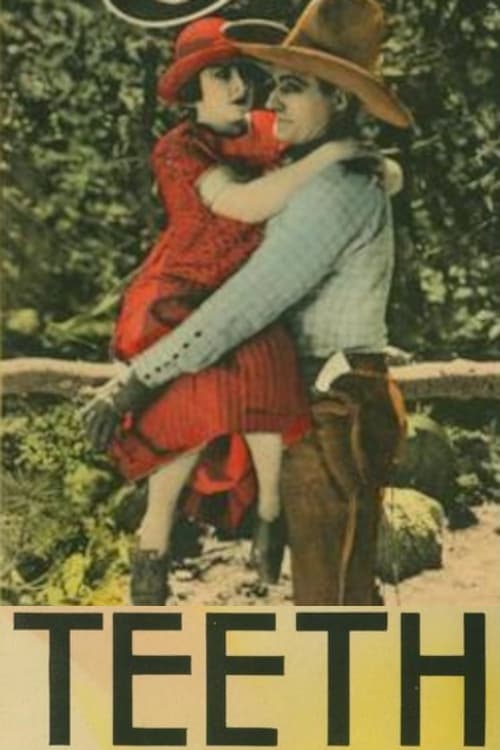
Teeth
1924
No user ratings available yet
Representation score: 0.8 out of 10
No Poster Available
Representation Score
Minimal
1928
PASSEDDirector
Leo D. Maloney
Runtime
50 minutes
Average Rating
No ratings yetNew Showbiz Analysis
The film portrays a traditional Western setting that prioritizes established power structures and conventional Western clichés. It focuses on masculine leadership and Anglo-centric views, lacking the multi-layered depth needed for modern diversity standards. Ultimately, the work stabilizes a traditional social order without challenging systemic norms or providing visibility to non-straight-centered or non-white perspectives.
Category Breakdown
The film does not include any LGBTQ+ characters, sticking closely to the traditional norms of the 1920s Western genre.
Men dominate the action and conflict resolution, while women have passive or domestic roles, reinforcing traditional gender roles.
The film lacks significant racial diversity, focusing on a homogeneous Anglo-American population and depicting the frontier from an Anglo-centric perspective.
The narrative emphasizes conventional Western values and the importance of law enforcement to maintain social order against criminal elements.
There are no characters with visible or invisible disabilities, and the film does not use disability as a character trait or plot device.
Present on Screen
Limited or Absent
Official Synopsis
Silent Western
1924
1939
1927
1928
1924

1926
1927
1948
No reviews yet. Be the first to share your thoughts on this movie!
Use the rating form above to leave a star rating and optional review.